 EN
EN


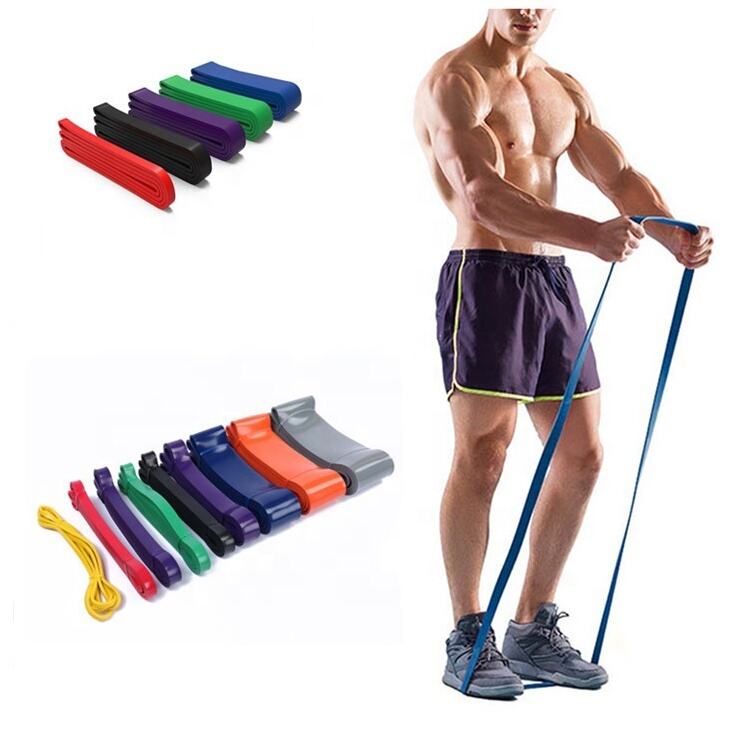
The manufacturing landscape for fitness equipment has evolved significantly, with pull up assist bands becoming increasingly popular among fitness enthusiasts and gym operators worldwide. These versatile resistance training tools require specialized production processes that combine precision engineering with quality materials to deliver products that meet rigorous performance standards. Understanding the OEM manufacturing process for pull up assist bands provides valuable insights into the complexity and attention to detail required to produce these essential fitness accessories.
Original Equipment Manufacturing for fitness products involves multiple stakeholders working together to transform concepts into market-ready products. The process begins with detailed specifications and extends through material sourcing, production planning, quality control, and final packaging. Each stage requires careful coordination between brands, manufacturers, and supply chain partners to ensure the final product meets both functional requirements and market expectations.
Modern OEM facilities specializing in resistance band production have invested heavily in advanced manufacturing technologies and quality assurance systems. These investments enable them to handle complex customization requests while maintaining consistent production schedules and cost-effective pricing structures. The integration of automated processes with skilled craftsmanship ensures that each pull up assist band meets the exacting standards required for professional fitness applications.
Initial Design and Specification Development
Product Conceptualization and Requirements Analysis
The OEM process begins with comprehensive product conceptualization where brands collaborate with manufacturers to define specific requirements for their pull up assist band products. This phase involves detailed discussions about resistance levels, dimensions, material preferences, and intended use applications. Engineers and product designers work together to translate market needs into technical specifications that can be effectively manufactured at scale.
Requirements analysis extends beyond basic functionality to encompass durability testing parameters, safety standards compliance, and end-user experience considerations. Manufacturers must understand the target market demographics, typical usage patterns, and performance expectations to develop products that deliver optimal value. This collaborative approach ensures that the final product design aligns with both brand positioning and manufacturing capabilities.
Technical Drawing Creation and Validation
Technical drawings serve as the foundation for all subsequent manufacturing activities, providing precise specifications for dimensions, tolerances, and material properties. Professional CAD designers create detailed blueprints that include cross-sectional views, material thickness specifications, and connection point reinforcement details. These drawings undergo multiple review cycles involving both brand representatives and manufacturing engineers to ensure accuracy and feasibility.
Validation processes include finite element analysis to predict stress distribution patterns and identify potential failure points under various loading conditions. This computational approach allows manufacturers to optimize design elements before committing to physical prototyping, reducing development time and costs while improving final product reliability. The validated drawings become the definitive reference for all production activities.
Material Selection and Sourcing
Latex and Rubber Compound Evaluation
Material selection represents a critical decision point in the OEM process, as the performance characteristics of pull up assist bands depend heavily on the properties of the base materials. Natural latex offers excellent elasticity and durability but requires careful processing to achieve consistent quality. Synthetic rubber compounds provide enhanced resistance to environmental factors while maintaining the flexibility required for effective resistance training applications.
Manufacturers evaluate multiple material options through comprehensive testing programs that assess tensile strength, elongation characteristics, tear resistance, and aging properties. These evaluations consider both laboratory testing results and real-world performance data from similar applications. The selected materials must meet specific performance criteria while remaining cost-effective for large-scale production.
Supply Chain Optimization and Quality Assurance
Establishing reliable supply chains for high-quality materials requires extensive vendor qualification processes and ongoing relationship management. OEM manufacturers typically work with multiple suppliers to ensure continuity of supply and competitive pricing. Each supplier must demonstrate compliance with quality standards and provide certifications for material properties and environmental safety.
Quality assurance protocols include incoming material inspection, batch testing, and traceability systems that track materials from supplier to finished product. These systems enable rapid identification and resolution of quality issues while providing documentation for regulatory compliance and customer inquiries. Continuous monitoring of supplier performance ensures that material quality remains consistent throughout the production cycle.
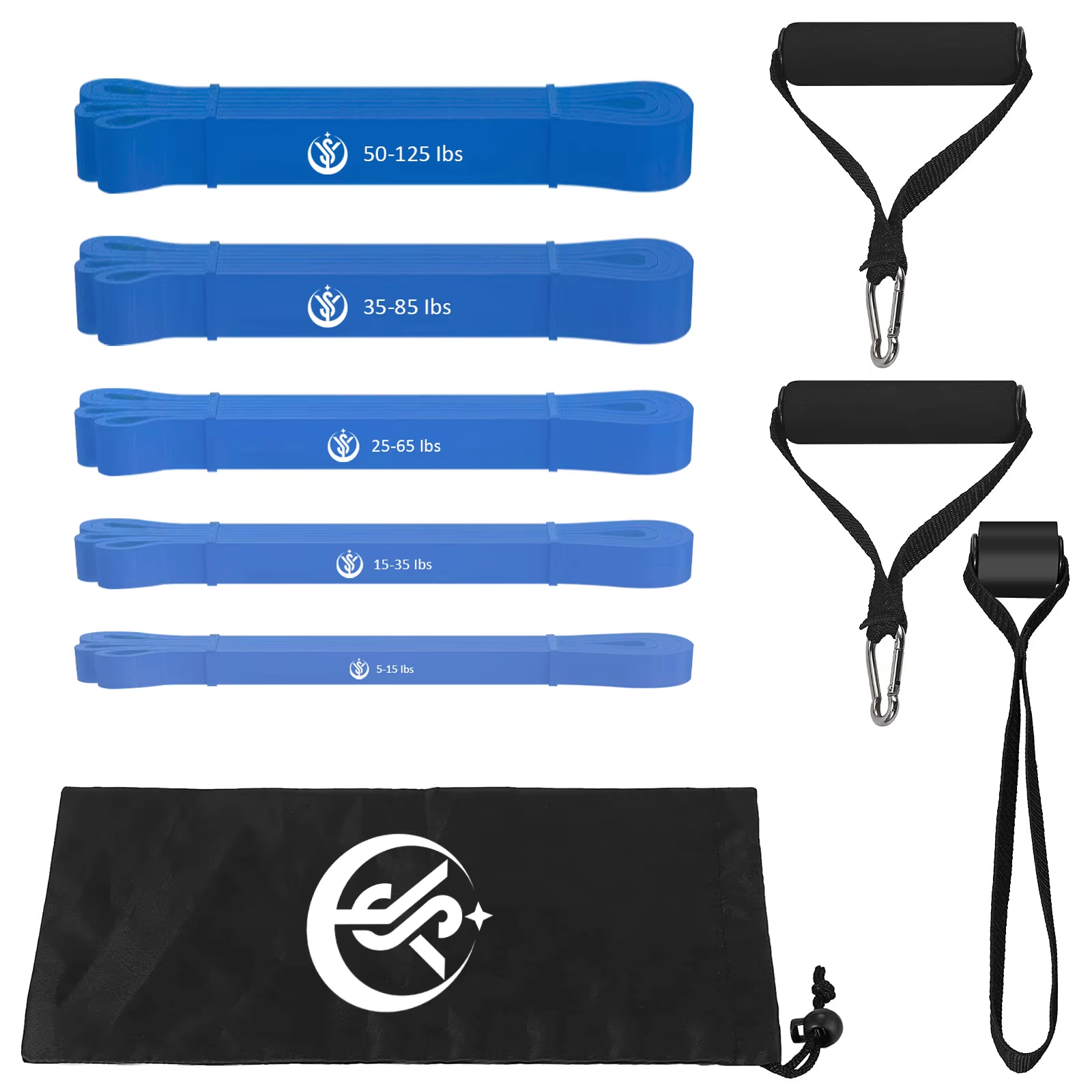
Manufacturing Process Implementation
Molding and Shaping Operations
The physical manufacturing of pull up assist bands involves sophisticated molding processes that transform raw materials into precisely shaped products. Compression molding techniques apply controlled pressure and temperature to cure rubber compounds while maintaining dimensional accuracy. The molding process requires careful timing and temperature control to achieve optimal material properties without compromising product integrity.
Advanced molding equipment incorporates programmable logic controllers that monitor and adjust process parameters in real-time. These systems ensure consistent product quality while minimizing material waste and production cycle times. Operators receive specialized training to recognize potential issues and make appropriate adjustments to maintain production standards.
Surface Treatment and Finishing
Surface treatment processes enhance both the functional and aesthetic properties of pull up assist bands. Texturing operations create grip-friendly surfaces that improve user safety and comfort during exercise routines. Chemical treatments may be applied to improve resistance to oils, sweat, and cleaning agents commonly encountered in fitness environments.
Finishing operations include trimming excess material, smoothing connection points, and applying protective coatings where appropriate. These processes require skilled operators who can identify and correct minor imperfections while maintaining production efficiency. Quality control checkpoints throughout the finishing process ensure that only products meeting specifications proceed to packaging.
Quality Control and Testing Procedures
Performance Testing Protocols
Comprehensive testing protocols validate that manufactured pull up assist bands meet performance specifications and safety requirements. Tensile testing equipment applies controlled loads to measure maximum strength and elongation characteristics. Fatigue testing simulates extended use patterns to predict product lifespan under normal operating conditions.
Environmental testing exposes products to temperature extremes, humidity variations, and chemical exposure to verify performance stability. These tests help identify potential degradation mechanisms and establish appropriate storage and use recommendations. Results from testing programs inform product improvement initiatives and support warranty determinations.
Statistical Process Control Implementation
Statistical process control systems monitor key manufacturing parameters and product characteristics to identify trends and prevent quality issues. Control charts track measurements such as dimensions, weight, and resistance values across production batches. When parameters approach control limits, operators can make adjustments before products fall outside acceptable ranges.
Data analysis capabilities enable manufacturers to identify correlations between process variables and product quality outcomes. This information supports continuous improvement efforts and helps optimize manufacturing processes for enhanced efficiency and consistency. Regular review of statistical data ensures that quality systems remain effective and responsive to changing conditions.
Customization and Branding Integration
Logo Application and Color Integration
Brand customization capabilities represent a significant value proposition for OEM manufacturers serving diverse market segments. Logo application processes must accommodate various design requirements while maintaining durability throughout the product lifecycle. Screen printing, pad printing, and molded-in graphics each offer distinct advantages depending on design complexity and volume requirements.
Color integration involves precise matching of brand specifications and ensuring color consistency across production runs. Color management systems utilize spectrophotometers and standardized lighting conditions to verify color accuracy. These systems account for variations in base materials and processing conditions that could affect final color appearance.
Packaging Design and Implementation
Custom packaging solutions enhance brand presentation while providing product protection during shipping and storage. Packaging design considerations include material selection, structural integrity, and graphic design elements that communicate brand values and product benefits. Sustainable packaging options increasingly influence design decisions as brands respond to environmental concerns.
Implementation of packaging solutions requires coordination between graphic designers, structural engineers, and production personnel. Packaging equipment must be configured to handle specific package formats while maintaining production efficiency. Quality control procedures verify that packages meet appearance standards and provide adequate product protection.
Production Planning and Logistics
Capacity Planning and Scheduling
Effective production planning ensures that manufacturing capacity aligns with customer demand while optimizing resource utilization. Planning systems consider equipment availability, material lead times, and labor requirements to develop realistic production schedules. Advanced planning software incorporates demand forecasting and constraint optimization to maximize efficiency.
Scheduling flexibility enables manufacturers to respond to changing customer requirements and market conditions. Pull up assist band production often involves seasonal demand patterns that require careful inventory management and production timing. Collaborative planning with customers helps synchronize production schedules with market launch requirements and promotional activities.
Supply Chain Coordination and Logistics
Coordinating complex supply chains requires sophisticated information systems and strong supplier relationships. Enterprise resource planning systems integrate procurement, production, and logistics activities to provide real-time visibility into supply chain status. This integration enables proactive management of potential disruptions and optimization of inventory levels.
Logistics planning encompasses inbound material management, work-in-process tracking, and finished goods distribution. Transportation optimization reduces costs while ensuring timely delivery to customers. Global supply chains require additional consideration of customs procedures, documentation requirements, and international shipping regulations.
FAQ
What factors determine the lead time for OEM pull up assist band production
Lead times for OEM pull up assist band production typically range from 15-45 days depending on several key factors. Order quantity significantly impacts lead time, with larger volumes requiring more production time but benefiting from economies of scale. Customization requirements such as unique colors, logos, or packaging designs add complexity and extend timelines. Material availability and supplier lead times can also influence overall production schedules, particularly for specialized rubber compounds or custom colors.
How do OEM manufacturers ensure consistent quality across large production runs
OEM manufacturers implement comprehensive quality management systems that include statistical process control, regular equipment calibration, and systematic sampling procedures. Automated inspection systems monitor critical dimensions and visual characteristics throughout production. Material batching procedures ensure consistent properties, while environmental controls maintain stable processing conditions. Trained quality technicians perform regular audits and testing to verify compliance with specifications.
What customization options are typically available for OEM pull up assist band production
Common customization options include brand logo application through various printing or molding techniques, custom color matching to specific brand requirements, and personalized packaging design. Resistance level modifications can accommodate specific training requirements, while dimension adjustments enable products tailored to different user populations. Some manufacturers offer custom grip textures or handle designs to enhance user experience and brand differentiation.
What minimum order quantities should brands expect for OEM pull up assist band manufacturing
Minimum order quantities for OEM pull up assist band production typically range from 500 to 2,000 pieces per color or design variation, depending on the manufacturer and customization requirements. Standard products with minimal customization often have lower minimums, while fully custom designs require higher quantities to justify tooling and setup costs. Manufacturers may offer flexibility for new brands or testing purposes, with graduated pricing structures that reward larger volume commitments.
Table of Contents
- Initial Design and Specification Development
- Material Selection and Sourcing
- Manufacturing Process Implementation
- Quality Control and Testing Procedures
- Customization and Branding Integration
- Production Planning and Logistics
-
FAQ
- What factors determine the lead time for OEM pull up assist band production
- How do OEM manufacturers ensure consistent quality across large production runs
- What customization options are typically available for OEM pull up assist band production
- What minimum order quantities should brands expect for OEM pull up assist band manufacturing