 EN
EN


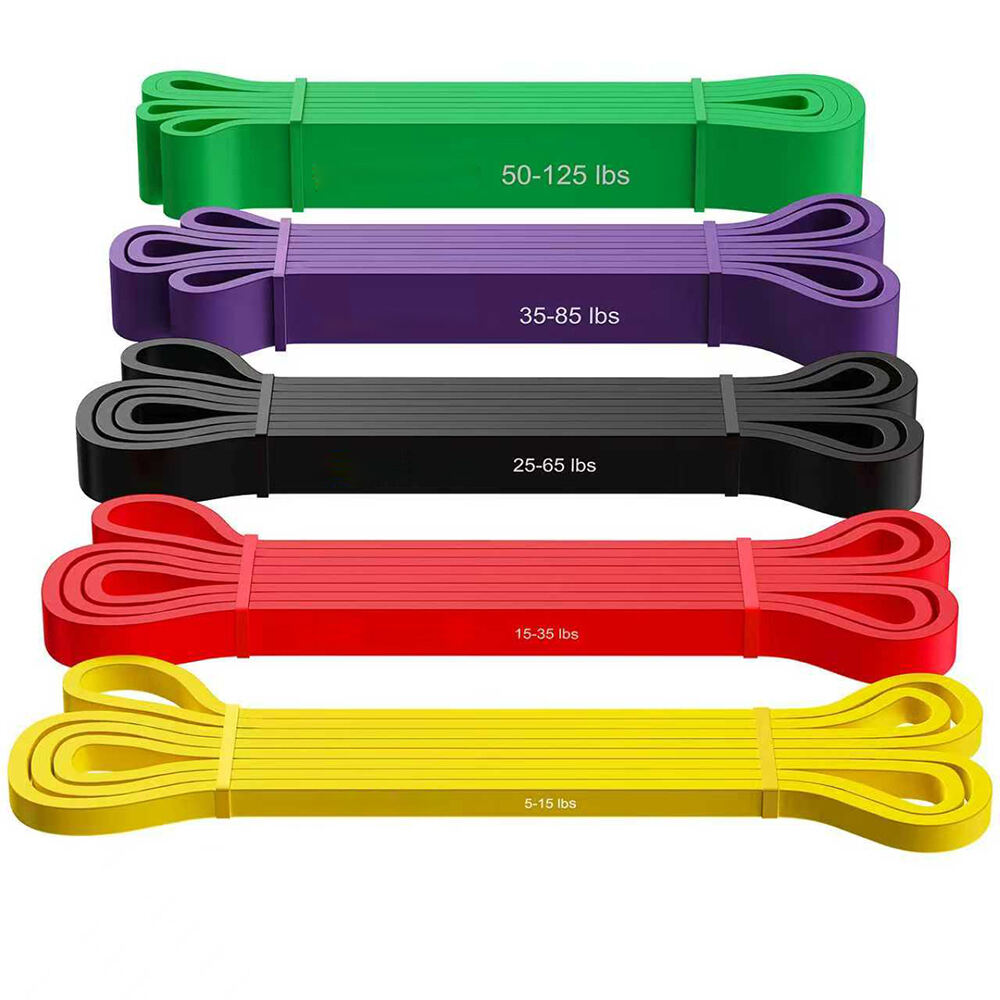
Commercial gyms across the globe are witnessing a significant transformation in how fitness enthusiasts approach strength training, particularly when it comes to mastering one of the most challenging bodyweight exercises: the pull-up. The introduction of pull up assist bands has revolutionized the way gym-goers build upper body strength, making this fundamental exercise accessible to individuals at all fitness levels. These versatile pieces of equipment have become indispensable tools in modern fitness facilities, bridging the gap between aspiration and achievement for countless members seeking to develop their pulling strength and muscle definition.
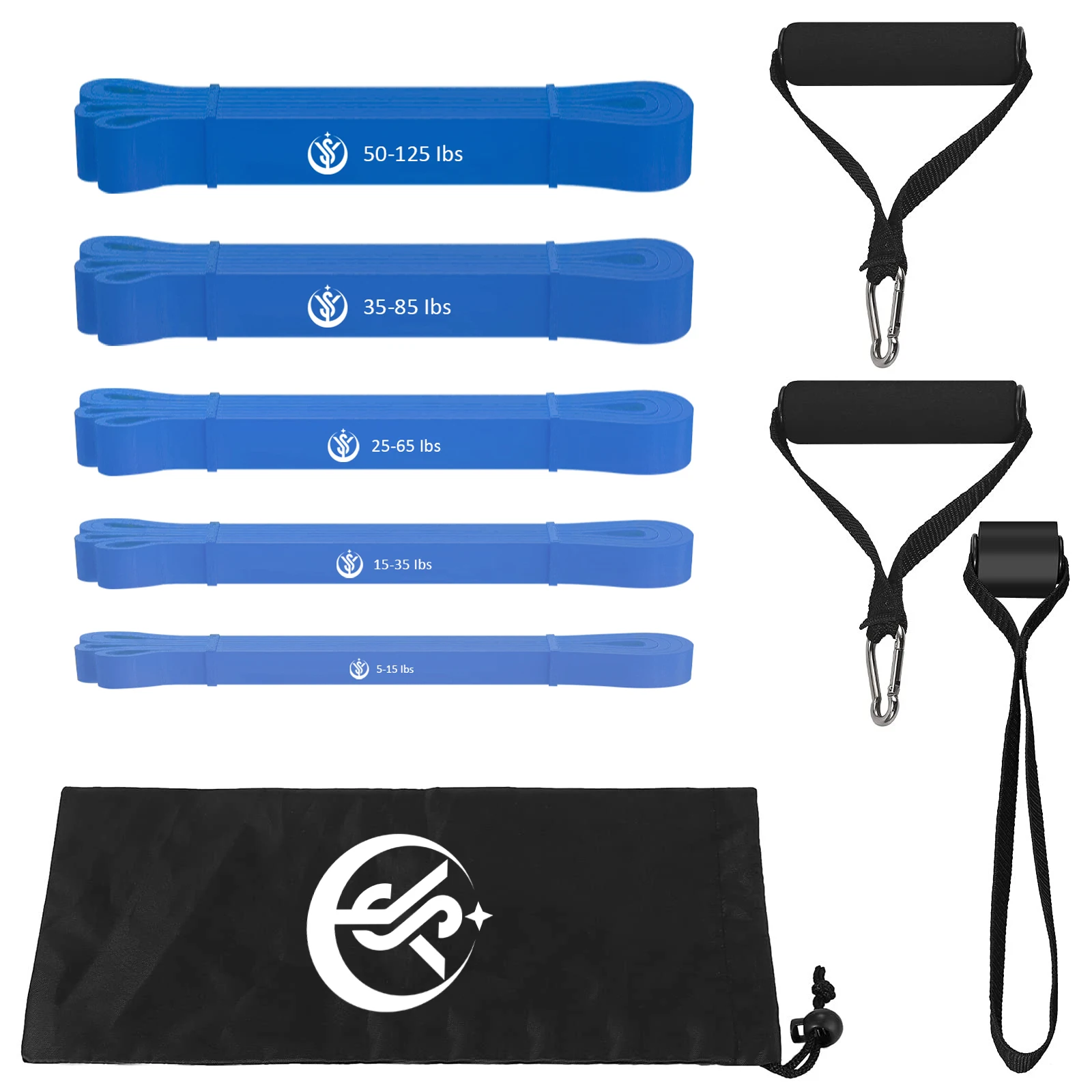
The surge in popularity of these resistance tools reflects a broader shift in fitness philosophy, where progressive training methods take precedence over intimidating, all-or-nothing approaches. Gym owners and fitness professionals recognize that providing members with scalable solutions leads to better retention rates, improved member satisfaction, and ultimately, more successful fitness journeys. The strategic implementation of assistance bands addresses one of the most common barriers preventing gym members from attempting pull-ups: the fear of failure and the inability to perform even a single repetition.
The Science Behind Progressive Pull-Up Training
Biomechanical Advantages of Assisted Movement
The biomechanical principles underlying assisted pull-up training reveal why these bands have become so effective in commercial gym settings. When a trainee uses resistance bands for assistance, the elastic properties provide variable support throughout the entire range of motion. This means maximum assistance occurs at the bottom of the movement where the band is most stretched, gradually decreasing as the individual pulls upward and the band tension reduces. This natural progression mirrors the strength curve of the latissimus dorsi and other pulling muscles involved in the exercise.
Research in exercise physiology demonstrates that eccentric muscle contractions, which occur during the lowering phase of a pull-up, are crucial for building strength and muscle mass. Assistance bands allow trainees to control this descent more effectively, spending more time under tension while maintaining proper form. This controlled approach leads to better muscle activation patterns and reduced risk of injury compared to explosive or jerky movements often seen when individuals attempt unassisted pull-ups prematurely.
Neuromuscular Adaptation and Motor Learning
The neuromuscular benefits of using pull up assist bands extend beyond simple strength development. These tools facilitate proper motor pattern learning by allowing trainees to practice the complete pull-up movement while their nervous system adapts to the complex coordination required. The consistent use of assistance bands helps establish proper scapular retraction, core engagement, and grip positioning that are essential for eventual unassisted performance.
Commercial gyms benefit from this approach because members experience tangible progress more quickly than with traditional progression methods. The psychological impact of completing full range-of-motion pull-ups, even with assistance, builds confidence and motivation that translates into consistent gym attendance and long-term membership retention. This positive feedback loop creates an environment where members feel empowered rather than discouraged by challenging exercises.
Commercial Gym Implementation Strategies
Equipment Selection and Variety
Successful commercial gyms recognize that offering multiple resistance levels in their band selection caters to diverse membership needs and fitness levels. A comprehensive setup typically includes bands ranging from light assistance for advanced trainees working on specific rep ranges, to heavy-duty options providing substantial support for beginners. This variety ensures that every member can find an appropriate starting point and progress gradually through different resistance levels as their strength improves.
The durability factor becomes particularly important in commercial settings where equipment experiences heavy daily use from multiple members. High-quality latex construction with reinforced anchor points ensures longevity and safety, reducing replacement costs and liability concerns. Gym owners increasingly prefer band systems that offer consistent tension characteristics over extended periods, maintaining their effectiveness even after thousands of repetitions across different users.
Space Efficiency and Versatility
Modern commercial gyms face constant pressure to maximize floor space utilization while providing comprehensive training options. Pull up assist bands address this challenge by transforming a single pull-up station into a multi-functional training area. Beyond assisted pull-ups, these bands enable various resistance exercises, stretching routines, and rehabilitation movements, effectively multiplying the utility of existing equipment without requiring additional floor space.
The portability of resistance bands also appeals to gym members who appreciate the option to replicate their workouts at home or while traveling. This convenience factor enhances the perceived value of gym membership, as members can maintain consistency in their training routines regardless of location. Forward-thinking gym owners often provide educational materials or classes demonstrating how members can use similar bands outside the gym environment.
Member Engagement and Retention Benefits
Psychological Barriers and Confidence Building
The intimidation factor associated with pull-up bars in commercial gyms cannot be understated, particularly for new members or those returning to fitness after extended periods of inactivity. Traditional pull-up stations often become visual reminders of fitness inadequacy rather than opportunities for growth. The introduction of assist bands transforms this dynamic by providing immediate accessibility and removing the binary nature of success or failure that typically characterizes unassisted attempts.
Member surveys consistently indicate higher satisfaction rates and increased exercise adherence when assistance options are readily available. The ability to complete a challenging exercise from day one, even with mechanical help, creates positive associations with the gym environment. This psychological shift is particularly significant for demographics that historically avoid strength training areas, including older adults, beginners, and individuals recovering from injuries or dealing with physical limitations.
Progression Tracking and Goal Setting
Commercial gyms that implement systematic progression protocols using pull up assist bands often see improved member engagement through clear, measurable goals. Unlike vague fitness objectives, progressing from heavy assistance to lighter bands provides concrete milestones that members can celebrate. This structured approach transforms what was once an impossible exercise into an achievable challenge with defined steps toward mastery.
The visual and tactile feedback provided by different band resistances makes progress tangible in ways that traditional weight training sometimes cannot match. Members can literally feel themselves getting stronger as they transition between band sizes, creating powerful motivation for continued effort. Gym staff can easily monitor member progress and provide appropriate encouragement or adjustments to training programs based on observable band usage patterns.
Training Program Integration
Periodization and Progressive Overload
Professional trainers and fitness instructors have developed sophisticated periodization models incorporating pull up assist bands into comprehensive strength development programs. These protocols typically begin with members using maximum assistance to focus on form and movement quality, gradually reducing support as strength and confidence improve. The elastic properties of quality bands provide consistent progression opportunities that can be precisely calibrated to individual abilities and goals.
Advanced programming techniques include combination sets where members perform assisted repetitions followed immediately by negative-only phases, eccentric holds, or isometric contractions at specific joint angles. These methods maximize training efficiency and accelerate strength gains compared to traditional approaches. Commercial gyms offering such specialized programming often position themselves as premium facilities attracting serious fitness enthusiasts willing to pay higher membership fees for expert guidance.
Group Fitness and Class Integration
The versatility of resistance bands extends their utility beyond individual training sessions into group fitness environments where they excel at accommodating mixed ability levels within single classes. Instructors can design challenging workouts that scale automatically based on each participant's strength level, ensuring everyone receives appropriate stimulus regardless of their current fitness status. This inclusivity factor proves particularly valuable for commercial gyms seeking to maximize class participation and revenue.
Circuit training formats benefit tremendously from band integration, as participants can quickly adjust resistance levels between exercises without the time delays associated with changing weight plates or machine settings. The seamless transitions possible with band systems maintain workout intensity while allowing for individualized difficulty adjustments, creating more engaging and effective group training experiences that keep members coming back regularly.
Economic Impact on Commercial Gym Operations
Cost-Effectiveness and ROI Analysis
The financial advantages of implementing pull up assist bands in commercial gym settings extend far beyond the modest initial investment required for quality equipment. Unlike expensive cable machines or complex strength training apparatus, resistance bands provide exceptional value through their durability, versatility, and minimal maintenance requirements. The return on investment becomes apparent quickly as member satisfaction increases and retention rates improve due to more accessible and effective training options.
Operational costs remain minimal since bands require no electricity, produce no noise, and need no regular calibration or complex repairs. The space efficiency factor means gyms can enhance their service offerings without expanding physical facilities or paying higher rent for larger spaces. This scalability makes resistance band systems particularly attractive for smaller commercial gyms competing against larger chain facilities with more extensive equipment budgets.
Competitive Differentiation and Market Positioning
Forward-thinking gym owners recognize that comprehensive assistance band programs can serve as significant differentiators in crowded fitness markets. Members increasingly seek facilities that prioritize their success over intimidation, and the presence of well-implemented progression systems signals a gym's commitment to member achievement rather than merely equipment provision. This positioning attracts quality members who value support and guidance over flashy but unused machines.
Marketing opportunities abound for gyms emphasizing their progressive training approaches and inclusive environments. Success stories from members who achieved their first unassisted pull-ups using gym-provided assistance create powerful testimonials and social media content. These authentic progression stories resonate more deeply with potential members than generic facility tours or equipment lists, translating into higher conversion rates and stronger community connections.
FAQ
How do I choose the right resistance level for pull up assist bands
Selecting appropriate resistance depends on your current strength level and training goals. Begin with enough assistance to complete 6-8 repetitions with proper form, focusing on controlled movement throughout the full range of motion rather than maximum rep counts. As you become comfortable with the movement pattern and can easily complete 10-12 repetitions, progress to a lighter band that provides less assistance. Most commercial gyms offer multiple resistance options, typically ranging from light to extra-heavy assistance levels.
Can pull up assist bands help with other exercises besides pull-ups
Absolutely, resistance bands are incredibly versatile training tools that can enhance numerous exercises beyond assisted pull-ups. They excel at providing variable resistance for squats, chest presses, rows, shoulder exercises, and rehabilitation movements. Many commercial gyms incorporate bands into stretching routines, warm-up protocols, and functional movement patterns. The elastic properties make them excellent for explosive power development and accommodating resistance training where the difficulty increases throughout the range of motion.
How long does it typically take to progress from assisted to unassisted pull-ups
Progression timelines vary significantly based on individual factors including starting strength levels, training consistency, body composition, and overall fitness background. Most dedicated trainees can expect to see meaningful progress within 4-8 weeks of consistent practice, with complete independence often achieved within 3-6 months. However, the journey is highly individual, and some may progress faster while others require more time. The key is maintaining consistent practice while gradually reducing assistance as strength improves.
Are there any safety considerations when using pull up assist bands in commercial gyms
Safety should always be the primary concern when using any fitness equipment, and resistance bands are no exception. Always inspect bands for signs of wear, cuts, or degradation before use, and never use damaged equipment. Ensure proper anchor point security and follow manufacturer weight limits strictly. Learn correct setup procedures from qualified gym staff, maintain control throughout all movements, and avoid sudden releases that could cause the band to snap back. Most injuries occur from improper setup or using damaged equipment, both of which are easily preventable with proper education and equipment maintenance.
Table of Contents
- The Science Behind Progressive Pull-Up Training
- Commercial Gym Implementation Strategies
- Member Engagement and Retention Benefits
- Training Program Integration
- Economic Impact on Commercial Gym Operations
-
FAQ
- How do I choose the right resistance level for pull up assist bands
- Can pull up assist bands help with other exercises besides pull-ups
- How long does it typically take to progress from assisted to unassisted pull-ups
- Are there any safety considerations when using pull up assist bands in commercial gyms