 EN
EN


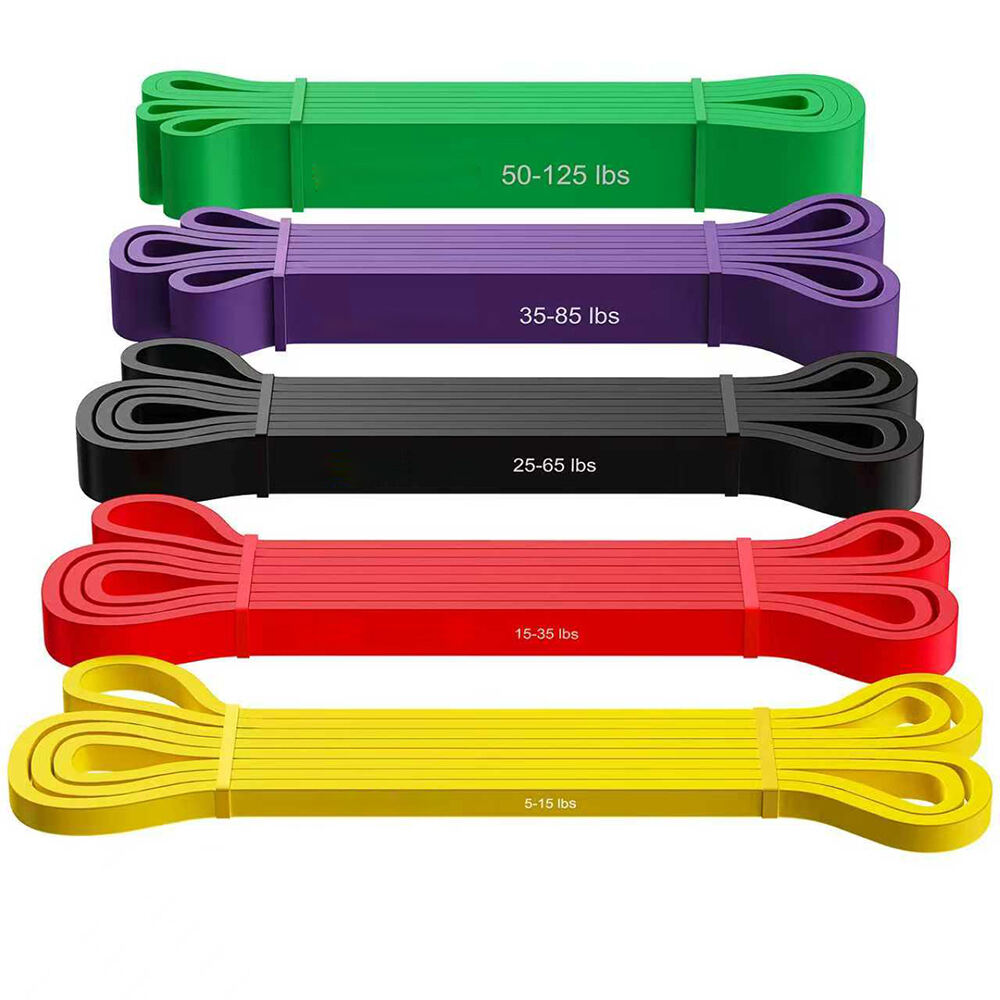
Pull up assist bands have revolutionized the way fitness enthusiasts approach upper body and full-body strength training. These versatile elastic resistance tools provide the necessary support to help individuals gradually build the strength required for unassisted pull-ups while simultaneously enhancing overall muscle development. By incorporating these bands into your workout routine, you can experience accelerated progress, improved muscle activation, and a more comprehensive approach to strength building that targets multiple muscle groups simultaneously.
The mechanics behind pull up assist bands make them particularly effective for full-body strength development. Unlike traditional weight training that often isolates specific muscle groups, these resistance bands create variable tension throughout the entire range of motion, engaging stabilizing muscles and promoting functional strength patterns. This dynamic resistance characteristic ensures that your muscles work harder at different points of the movement, leading to more comprehensive strength gains and improved neuromuscular coordination.
Understanding the Science Behind Resistance Band Training
Variable Resistance Technology
The unique properties of pull up assist bands stem from their ability to provide variable resistance that increases as the band stretches. This progressive resistance pattern closely mimics the natural strength curve of human muscles, where force production capabilities vary throughout different joint angles. As you perform exercises with these bands, the resistance gradually increases, challenging your muscles more effectively at their strongest points while providing appropriate support at weaker positions.
Research in exercise physiology has demonstrated that variable resistance training can lead to greater strength gains compared to constant resistance methods. The elastic properties of resistance bands create accommodating resistance, which means the tension adjusts automatically to match your muscle's force output capabilities throughout the movement. This adaptive characteristic makes pull up assist bands exceptionally effective for developing both concentric and eccentric strength simultaneously.
Neuromuscular Adaptation Benefits
Training with resistance bands stimulates unique neuromuscular adaptations that enhance overall strength and coordination. The unstable nature of elastic resistance requires constant micro-adjustments from stabilizing muscles, improving proprioception and joint stability. These neurological adaptations translate into better movement quality and reduced injury risk during other training activities.
The continuous tension provided by resistance bands also promotes increased muscle fiber recruitment patterns compared to traditional weights. This enhanced recruitment leads to improved intermuscular coordination and more efficient movement patterns, resulting in better performance across various athletic activities and daily functional movements.
Comprehensive Muscle Activation Patterns
Primary Muscle Group Engagement
Pull up assist bands primarily target the latissimus dorsi, rhomboids, middle trapezius, and posterior deltoids during pulling movements. However, their versatility allows for comprehensive targeting of virtually every major muscle group through various exercise modifications. The bands can effectively work the chest, shoulders, arms, core, and lower body muscles through different movement patterns and anchor points.
The assistance provided by these bands during pull-up movements allows individuals to maintain proper form while working through the full range of motion. This proper form maintenance ensures optimal muscle activation patterns and reduces the risk of compensatory movements that could lead to muscle imbalances or injuries.
Secondary Stabilizer Activation
One of the most significant advantages of using pull up assist bands is their ability to activate secondary stabilizer muscles throughout the kinetic chain. These smaller, often overlooked muscles play crucial roles in maintaining proper posture, joint stability, and movement efficiency during compound exercises.
The elastic resistance creates three-dimensional loading patterns that challenge muscles from multiple angles simultaneously. This multi-planar stimulation better prepares the body for real-world movement demands and athletic performance requirements, making resistance band training an excellent complement to traditional strength training methods.
Progressive Overload and Strength Development
Systematic Progression Strategies
Effective strength development requires systematic progression, and pull up assist bands offer multiple avenues for advancing training intensity. Users can progress by gradually reducing the assistance level, increasing repetitions, slowing down movement tempo, or combining multiple bands for increased resistance. This flexibility allows for continuous progression without requiring expensive equipment upgrades.
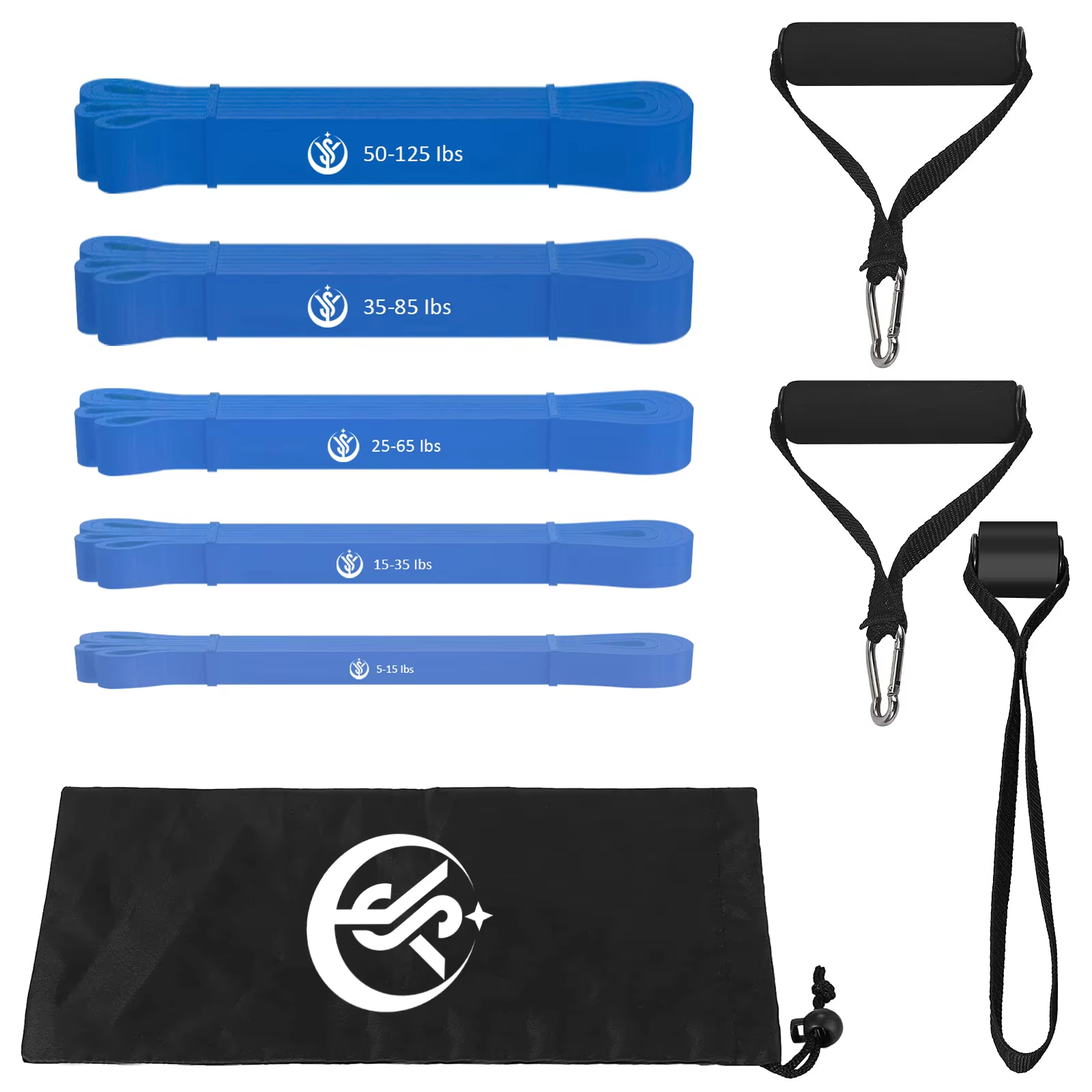
The ability to fine-tune resistance levels makes these bands particularly valuable for individuals at different fitness levels. Beginners can start with maximum assistance and gradually reduce support as strength improves, while advanced users can use the bands to add resistance to bodyweight movements, creating new challenges for continued development.
Strength Plateau Prevention
Traditional strength training often encounters plateaus when muscles adapt to consistent loading patterns. Resistance bands help overcome these plateaus by providing novel stimulus through variable resistance curves and unstable loading conditions. The changing tension characteristics keep muscles guessing and prevent adaptation stagnation.
Additionally, the portability of resistance bands allows for consistent training regardless of location or access to traditional gym facilities. This consistency is crucial for maintaining progressive overload and preventing strength losses during travel or other disruptions to normal training routines.
Functional Strength and Athletic Performance Enhancement
Movement Pattern Optimization
Pull up assist bands excel at developing functional strength patterns that translate directly to athletic performance and daily activities. The multi-directional resistance capabilities allow for training movements in all three planes of motion, improving overall movement competency and reducing injury risk during sports and recreational activities.
The elastic properties of these bands closely simulate many natural movement patterns found in sports and daily life. This similarity helps develop strength that is immediately applicable to real-world scenarios, making resistance band training particularly valuable for athletes and active individuals seeking performance improvements.
Power and Explosiveness Development
The accommodating resistance provided by pull up assist bands makes them excellent tools for developing explosive power and speed-strength qualities. The increasing resistance as the band stretches allows for maximum force application at optimal joint angles, promoting power development while maintaining joint safety.
Plyometric exercises performed with resistance bands create unique loading conditions that challenge the stretch-shortening cycle differently than traditional plyometrics. This variation helps develop reactive strength and improves the body's ability to rapidly produce force, essential qualities for athletic performance enhancement.
Integration with Existing Training Programs
Complementary Training Applications
Pull up assist bands integrate seamlessly with existing strength training programs, serving various roles from warm-up activation to primary resistance training. They can be used for dynamic warm-up routines to prepare muscles and joints for heavier lifting, or as primary training tools for specific muscle groups and movement patterns.
The versatility of resistance bands allows them to fill gaps in traditional training programs, particularly for posterior chain development and rotational movements that are often neglected in conventional weightlifting routines. This complementary role helps create more balanced and comprehensive training programs.
Recovery and Rehabilitation Applications
The gentle, progressive resistance provided by pull up assist bands makes them valuable tools for injury recovery and rehabilitation protocols. The ability to control resistance levels precisely allows for gradual loading of healing tissues while maintaining movement quality and preventing muscle atrophy during recovery periods.
Physical therapists and rehabilitation specialists frequently utilize resistance bands because they provide controlled loading without the impact forces associated with traditional weights. This characteristic makes them safer for individuals recovering from injuries while still providing sufficient stimulus for strength maintenance and development.
FAQ
How often should I use pull up assist bands for optimal results?
For optimal results, incorporate pull up assist bands into your training routine 2-3 times per week, allowing at least 48 hours between intense sessions targeting the same muscle groups. This frequency provides sufficient stimulus for strength development while allowing adequate recovery time. Beginners may benefit from more frequent sessions with lower intensity, while advanced users can train less frequently with higher intensity and volume.
Can pull up assist bands completely replace traditional weight training?
While pull up assist bands are highly effective training tools, they work best as part of a comprehensive training program rather than a complete replacement for traditional weights. The variable resistance properties of bands provide unique benefits that complement the constant resistance of weights. For maximum strength and muscle development, combining both training modalities typically produces superior results compared to using either method exclusively.
What resistance level should beginners start with when using pull up assist bands?
Beginners should start with higher assistance levels that allow them to complete 8-12 repetitions with proper form while feeling challenged by the final few repetitions. Most resistance band sets include multiple resistance levels, so start with the band that provides the most assistance and gradually progress to lighter assistance as strength improves. The key is maintaining proper form throughout the entire range of motion while experiencing appropriate muscle fatigue.
How do I know when to progress to less assistance or higher resistance?
Progress to less assistance or higher resistance when you can consistently perform 12-15 repetitions with perfect form using your current resistance level. Other indicators include feeling that the current resistance no longer challenges you appropriately, or when you can complete your target repetitions without experiencing significant muscle fatigue. Progression should be gradual, typically reducing assistance by one level or adding slight resistance increases to prevent overuse injuries and maintain proper movement patterns.