 EN
EN


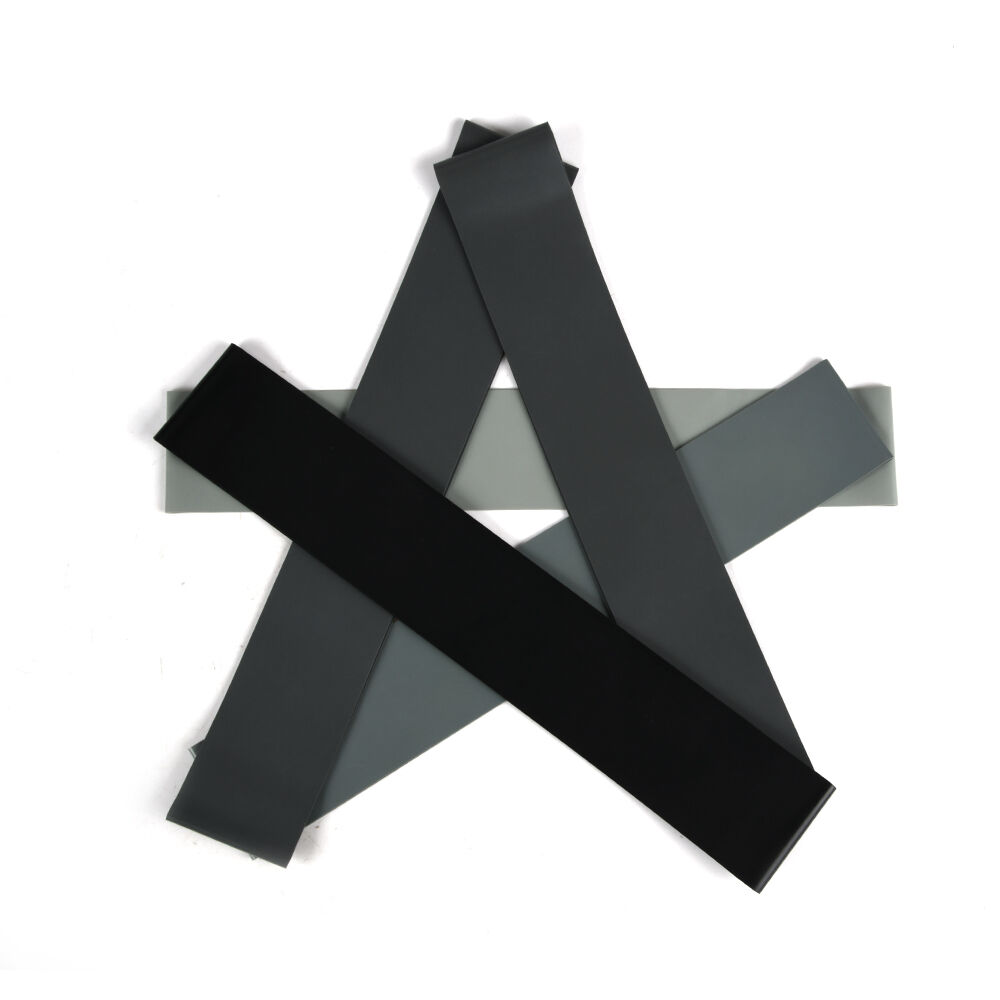
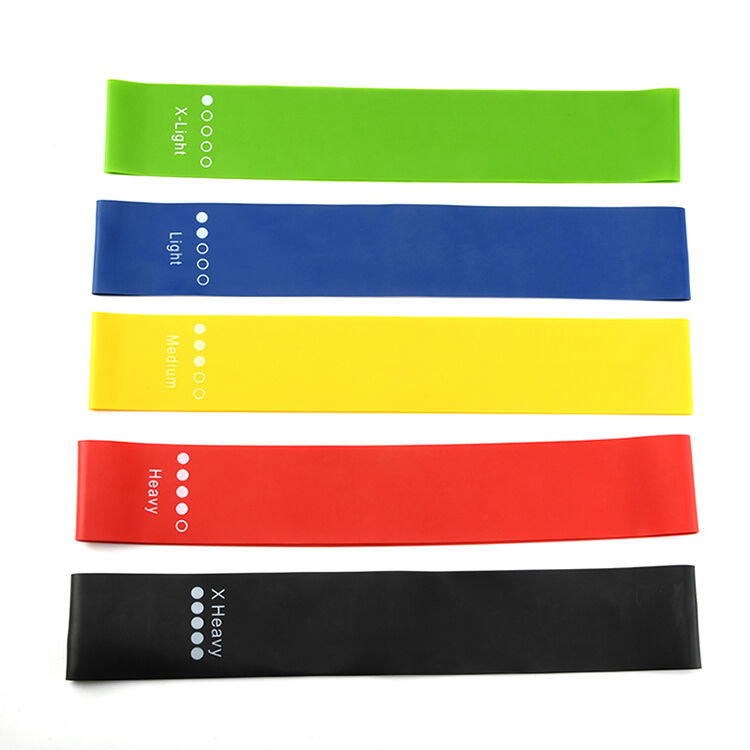
Importers seeking profitable opportunities in the fitness equipment market increasingly recognize that OEM mini loop bands represent one of the most compelling private labeling investments available today. The global resistance band market continues expanding as consumers prioritize convenient home workouts and functional training solutions, creating substantial demand for customizable fitness accessories that can be branded and marketed under private labels.
Understanding why importers should prioritize OEM mini loop bands for private labeling requires examining multiple strategic advantages that differentiate these products from other fitness accessories. From manufacturing flexibility and cost efficiency to market positioning opportunities, these compact resistance training tools offer importers unique pathways to establish profitable private label brands while meeting growing consumer demand for versatile workout equipment.
Market Demand Drivers for Private Label Fitness Equipment
Growing Home Fitness Market Trends
The home fitness equipment market has experienced unprecedented growth, with resistance bands becoming essential components of personal workout routines. Consumers increasingly seek portable, space-efficient exercise solutions that deliver professional-quality training results without requiring extensive home gym setups. This trend creates substantial opportunities for importers to capitalize on OEM mini loop bands through strategic private labeling initiatives.
Market research indicates consistent year-over-year growth in resistance band sales, particularly among demographics prioritizing functional fitness and rehabilitation exercises. The convenience factor drives much of this demand, as users appreciate equipment that can be easily stored, transported, and used in various settings from home offices to hotel rooms during business travel.
Professional trainers and physical therapists increasingly recommend mini loop bands for their versatility in targeting specific muscle groups, creating educational marketing opportunities for private label brands. This professional endorsement translates into consumer confidence and repeat purchase behavior, establishing sustainable demand patterns that benefit long-term private labeling strategies.
Consumer Preference for Branded Fitness Accessories
Today's fitness enthusiasts demonstrate strong preferences for branded equipment that reflects their personal fitness identity and quality expectations. Private labeling OEM mini loop bands allows importers to meet this branding demand while maintaining competitive pricing structures that appeal to cost-conscious consumers seeking premium-quality resistance training tools.
Brand recognition in the fitness equipment sector significantly influences purchasing decisions, with consumers often associating branded products with superior quality, durability, and performance characteristics. Importers can leverage this psychology through effective private labeling of OEM mini loop bands that incorporate distinctive design elements and professional packaging.
The subscription box and direct-to-consumer fitness markets have created additional demand for uniquely branded resistance bands that can be customized for specific training programs or fitness communities. This trend provides importers with opportunities to develop niche private label brands targeting specialized consumer segments.
Manufacturing and Customization Advantages
Flexible Production Capabilities
OEM manufacturers specializing in mini loop bands typically offer extensive customization options that enable importers to create distinctive private label products without massive minimum order quantities. These production capabilities include color variations, resistance levels, size specifications, and branding integration that can be tailored to specific target market preferences and positioning strategies.
Advanced manufacturing processes allow for consistent quality control across production runs while maintaining cost efficiency that supports competitive retail pricing. Importers benefit from established quality assurance protocols that ensure every OEM mini loop band meets specified durability and performance standards, reducing the risk of customer complaints and return issues.
The relatively simple manufacturing process for resistance bands enables faster production turnaround times compared to complex fitness equipment, allowing importers to respond quickly to market demand fluctuations and seasonal ordering patterns. This agility supports more efficient inventory management and cash flow optimization for private label operations.
Cost-Effective Branding Integration
Integrating custom branding into OEM mini loop bands requires minimal additional manufacturing investment compared to other fitness equipment categories. Logo printing, color matching, and packaging customization can be implemented without significant tooling costs, making private labeling accessible to importers with varying budget constraints and business scale requirements.
The lightweight nature of mini loop bands reduces shipping costs significantly, improving profit margins for importers while enabling competitive retail pricing strategies. This cost advantage becomes particularly important when developing private label brands for price-sensitive market segments or promotional campaigns requiring attractive pricing structures.
Multiple branding integration points exist throughout the product lifecycle, from the bands themselves to packaging materials, instruction guides, and promotional accessories. This comprehensive branding capability helps establish strong brand recognition and customer loyalty while differentiating private label products from generic alternatives in crowded marketplaces.
Strategic Business Benefits for Importers
Revenue Diversification Opportunities
Private labeling OEM mini loop bands provides importers with multiple revenue stream opportunities that extend beyond simple product sales. These include selling to fitness facilities, developing retail partnerships, creating subscription box inclusions, and establishing direct-to-consumer channels that maximize profit potential while reducing dependence on single distribution channels.
The accessory nature of resistance bands creates natural cross-selling opportunities with other fitness equipment, enabling importers to develop comprehensive private label fitness equipment lines that increase average order values and customer lifetime value. This ecosystem approach strengthens brand positioning while improving overall business profitability.
Seasonal demand patterns for fitness equipment create predictable sales cycles that can be leveraged through strategic inventory planning and promotional campaigns. OEM mini loop bands align well with New Year fitness resolutions, summer fitness preparation, and back-to-school health initiatives, providing importers with reliable revenue timing opportunities.
Market Position Development
Establishing a private label brand through OEM mini loop bands creates valuable market positioning that can be leveraged for future product line extensions and business growth initiatives. The credibility gained through successful resistance band private labeling translates into opportunities for expanding into related fitness equipment categories with established customer bases and distribution relationships.
Brand equity development through private labeling creates long-term business value that extends beyond immediate product sales. Successful private label fitness brands often become acquisition targets or partnership opportunities, providing importers with potential exit strategies or strategic alliance possibilities that multiply initial investment returns.
The competitive landscape for OEM mini loop bands remains fragmented, providing opportunities for importers to establish dominant positions in specific market segments through focused private labeling strategies. Early movers in emerging fitness trends often secure lasting competitive advantages that become difficult for later entrants to overcome.
Quality Control and Customer Satisfaction
Manufacturing Standard Assurance
Reputable OEM manufacturers of mini loop bands maintain strict quality control protocols that ensure consistent product performance and durability across production batches. These standards typically include material testing, resistance level verification, and longevity assessments that protect importer reputations while minimizing warranty claims and customer service issues.
Established manufacturing partnerships provide importers with access to proven production processes and quality management systems that have been refined through experience with multiple private label clients. This expertise translates into reliable product quality that supports premium pricing strategies and customer satisfaction objectives.
Documentation and certification capabilities from qualified OEM manufacturers help importers meet regulatory requirements and customer expectations for product safety and performance standards. These credentials become valuable marketing assets that differentiate private label products from unverified alternatives in competitive marketplaces.
Customer Experience Enhancement
Private labeling OEM mini loop bands enables importers to control the entire customer experience from packaging presentation to product performance and after-sales support. This comprehensive control allows for brand experience optimization that builds customer loyalty and encourages positive reviews and referrals.
Customizable packaging and instructional materials can be developed to support specific customer segments and use cases, enhancing perceived value while providing clear differentiation from generic resistance band offerings. Professional presentation materials reinforce brand credibility and justify premium pricing structures.
The simplicity of OEM mini loop bands reduces customer education requirements while maintaining versatility for various fitness applications. This balance supports positive customer experiences that translate into repeat purchases and brand advocacy, creating sustainable competitive advantages for private label operations.
FAQ
What minimum order quantities are typically required for OEM mini loop band private labeling?
Most reputable OEM manufacturers offer flexible minimum order quantities starting from 500 to 1,000 units per design variation, making private labeling accessible to importers with varying business scales. These quantities often include color and resistance level customization options that enable comprehensive product line development without excessive inventory investment.
How long does the production and customization process take for private label resistance bands?
Standard production timelines for OEM mini loop bands typically range from 15 to 30 days depending on customization complexity and current manufacturing capacity. Rush production options are often available for time-sensitive market opportunities, though these may involve premium pricing for expedited manufacturing and shipping services.
Can importers obtain exclusive rights to specific designs or customizations?
Many OEM manufacturers offer exclusivity agreements for specific design elements, color combinations, or packaging configurations within defined geographic markets. These arrangements typically require higher minimum order commitments but provide valuable competitive protection for private label brand development and market positioning strategies.
What certifications and quality standards should importers expect from OEM mini loop band manufacturers?
Professional OEM manufacturers typically maintain ISO quality certifications, material safety documentation, and testing reports that verify resistance levels and durability specifications. Importers should verify that manufacturers can provide necessary documentation for regulatory compliance and customer confidence in target markets before committing to private labeling partnerships.
Table of Contents
- Market Demand Drivers for Private Label Fitness Equipment
- Manufacturing and Customization Advantages
- Strategic Business Benefits for Importers
- Quality Control and Customer Satisfaction
-
FAQ
- What minimum order quantities are typically required for OEM mini loop band private labeling?
- How long does the production and customization process take for private label resistance bands?
- Can importers obtain exclusive rights to specific designs or customizations?
- What certifications and quality standards should importers expect from OEM mini loop band manufacturers?