 EN
EN


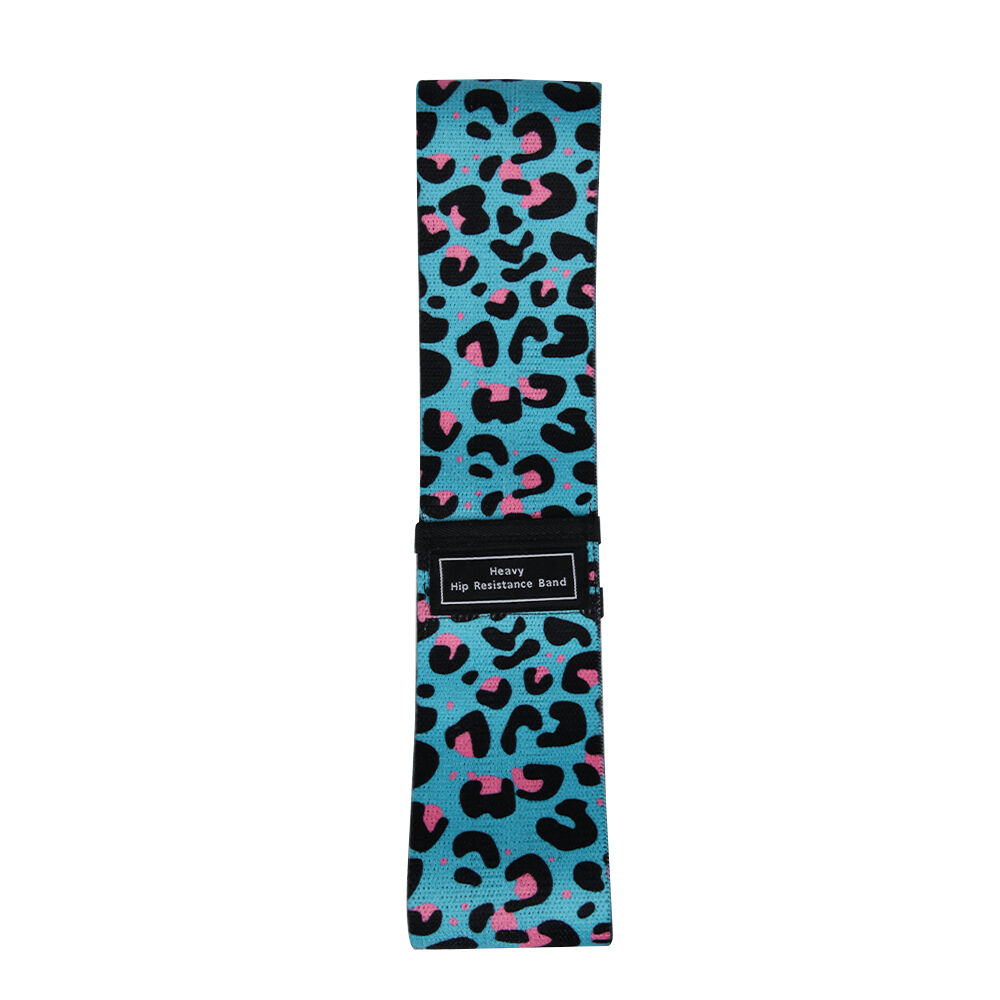
The global fitness market is experiencing a revolutionary shift as ODM mini loop bands emerge as catalysts for innovative workout solutions and business opportunities. These compact yet powerful resistance training tools are reshaping how fitness equipment manufacturers, retailers, and consumers approach portable exercise solutions, creating unprecedented market dynamics that extend far beyond traditional gym boundaries.
ODM mini loop bands are fundamentally transforming fitness market trends by enabling customization capabilities that allow businesses to create unique product lines while meeting specific consumer demands. The ODM manufacturing model provides companies with the flexibility to develop branded resistance band solutions without the substantial investment required for in-house production facilities, thereby democratizing access to the lucrative fitness equipment market.
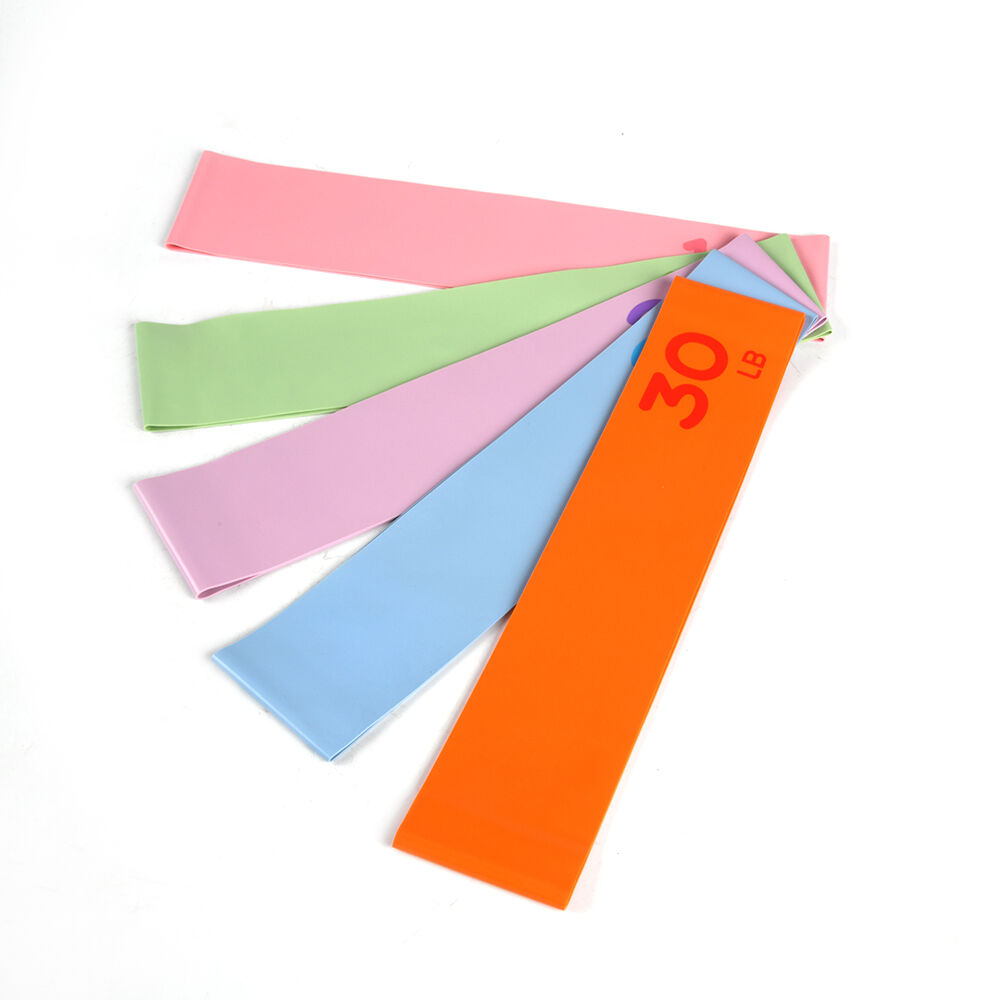
Manufacturing Innovation Driving Market Transformation
Advanced Material Technologies in ODM Production
ODM mini loop bands leverage cutting-edge latex and fabric technologies that deliver superior durability and performance characteristics compared to traditional resistance bands. Manufacturers specializing in ODM production have developed proprietary material formulations that resist degradation, maintain consistent resistance levels, and provide enhanced user comfort during extended workout sessions.
The manufacturing process incorporates precision molding techniques that ensure uniform thickness and resistance distribution throughout each band. This technological advancement allows ODM mini loop bands to maintain their elastic properties even after thousands of stretching cycles, addressing a critical pain point that previously limited the adoption of resistance bands in professional fitness settings.
Quality control protocols in ODM manufacturing facilities include rigorous testing procedures that validate resistance levels, tensile strength, and material safety standards. These comprehensive quality measures have elevated consumer confidence in ODM mini loop bands, contributing to their rapid market penetration across diverse fitness segments.
Customization Capabilities Reshaping Product Development
The ODM model empowers fitness brands to implement extensive customization options that differentiate their products in an increasingly competitive market. Brand-specific resistance levels, color combinations, and packaging solutions enable companies to create unique value propositions that resonate with target customer segments.
Advanced printing and embossing technologies allow ODM manufacturers to integrate brand logos, exercise instructions, and motivational messaging directly onto the bands themselves. This integration transforms ODM mini loop bands from generic exercise tools into branded fitness experiences that enhance customer loyalty and brand recognition.
Packaging innovation represents another significant trend driven by ODM capabilities, with manufacturers developing portable carrying cases, exercise guides, and subscription-ready packaging formats that support diverse distribution strategies. These packaging solutions enable ODM mini loop bands to penetrate retail channels ranging from traditional sporting goods stores to online subscription services.
Market Accessibility and Business Model Evolution
Lowering Barriers to Market Entry
ODM mini loop bands have dramatically reduced the capital requirements for companies seeking to enter the fitness equipment market. Traditional fitness equipment manufacturing demands substantial investments in machinery, tooling, and specialized facilities, creating significant barriers for emerging brands and smaller companies.
The ODM approach allows businesses to leverage established manufacturing expertise and production capabilities without assuming the financial risks associated with equipment purchases and facility development. This accessibility has enabled a new generation of fitness entrepreneurs to launch branded product lines with minimal upfront investment, fostering innovation and competition within the market.
Minimum order quantities for ODM mini loop bands typically start at levels that accommodate small to medium-sized businesses, enabling market testing and gradual scaling without excessive inventory commitments. This flexibility supports agile business development strategies that respond quickly to market feedback and consumer preferences.
Global Distribution Network Expansion
ODM manufacturers have established sophisticated global distribution networks that enable rapid market penetration across multiple geographic regions. These networks leverage established logistics partnerships, regulatory compliance expertise, and local market knowledge to accelerate the international expansion of ODM mini loop bands.
The compact size and lightweight characteristics of ODM mini loop bands optimize shipping costs and storage requirements, making international distribution economically viable even for smaller order quantities. This logistical advantage has contributed to the global proliferation of resistance band-based fitness programs and retail availability.
Regional customization capabilities within ODM networks allow manufacturers to adapt products for local market preferences, regulatory requirements, and cultural considerations. This localization strategy has facilitated the successful introduction of ODM mini loop bands across diverse international markets with varying fitness cultures and consumer expectations.
Consumer Behavior Transformation and Market Adoption
Home Fitness Revolution Acceleration
The proliferation of ODM mini loop bands has coincided with and accelerated the global shift toward home-based fitness solutions. Their compact design and versatility make them ideal for space-constrained living environments, enabling comprehensive resistance training routines without dedicated exercise areas or expensive equipment installations.
Consumer research indicates that ODM mini loop bands have become gateway products that introduce individuals to resistance training concepts and benefits. The low intimidation factor and affordable price points encourage experimentation among fitness novices, creating an expanding market base for more advanced resistance training products and services.
Digital fitness platforms have embraced ODM mini loop bands as standard equipment recommendations, creating synergistic relationships between equipment manufacturers and content creators. This integration has amplified market awareness and driven consistent demand growth across multiple consumer segments.
Professional Fitness Industry Integration
Physical therapy clinics, personal training studios, and corporate wellness programs have increasingly incorporated ODM mini loop bands into their service offerings due to their versatility, safety profile, and cost-effectiveness. This professional adoption has enhanced the credibility and perceived value of resistance band training methods.
The ability to customize resistance levels and branding has enabled fitness professionals to develop specialized program packages that include personalized ODM mini loop bands. These customized solutions create additional revenue streams while enhancing client engagement and program compliance.
Educational institutions and rehabilitation facilities have adopted ODM mini loop bands for their programs due to their safety characteristics and adaptability to diverse physical capabilities. This institutional adoption has contributed to broader market acceptance and established resistance bands as legitimate fitness tools across age groups and ability levels.
Technology Integration and Smart Fitness Convergence
Digital Platform Compatibility Enhancement
ODM manufacturers are integrating smart technologies that enable ODM mini loop bands to interface with fitness tracking applications and wearable devices. These technological enhancements provide users with real-time feedback on exercise intensity, repetition counting, and progress tracking capabilities.
Sensor integration within ODM mini loop bands enables automatic resistance level detection and exercise form analysis, providing users with detailed workout insights and personalized training recommendations. This technology convergence represents a significant advancement in making resistance training more accessible and effective for individual users.
Virtual reality fitness applications have begun incorporating ODM mini loop bands as haptic feedback devices that enhance immersive workout experiences. This integration creates new market opportunities and positions resistance bands as essential components of next-generation fitness technology ecosystems.
Data Analytics and Performance Optimization
Advanced analytics platforms collect usage data from connected ODM mini loop bands to generate insights about exercise patterns, effectiveness, and user preferences. This data enables manufacturers to optimize product designs and develop targeted marketing strategies based on actual usage behaviors.
Machine learning algorithms analyze resistance band usage data to provide personalized workout recommendations and progression pathways that maximize individual fitness outcomes. These intelligent systems enhance user engagement and support long-term fitness goal achievement.
Predictive maintenance capabilities built into smart ODM mini loop bands alert users when replacement is recommended based on usage patterns and material fatigue indicators. This proactive approach enhances user safety while creating predictable replacement cycles that support business planning and inventory management.
FAQ
What makes ODM mini loop bands different from traditional resistance bands?
ODM mini loop bands offer superior customization capabilities, advanced material technologies, and quality control standards that exceed traditional resistance bands. The ODM manufacturing process enables brand-specific modifications, enhanced durability features, and comprehensive quality testing that ensures consistent performance and safety standards.
How do ODM mini loop bands support business growth in the fitness market?
ODM mini loop bands enable businesses to enter the fitness equipment market with minimal capital investment while offering extensive customization options for brand differentiation. The ODM model provides access to established manufacturing expertise, global distribution networks, and flexible order quantities that support scalable business development strategies.
What trends are driving the adoption of ODM mini loop bands in professional fitness settings?
Professional fitness facilities are adopting ODM mini loop bands due to their versatility, safety profile, customization capabilities, and cost-effectiveness compared to traditional resistance training equipment. The ability to create branded program packages and accommodate diverse client needs has made ODM mini loop bands essential tools for modern fitness professionals.
How are smart technologies being integrated into ODM mini loop bands?
ODM manufacturers are incorporating sensors, connectivity features, and smart analytics capabilities that enable real-time workout tracking, form analysis, and personalized training recommendations. These technological integrations position ODM mini loop bands as components of comprehensive digital fitness ecosystems that enhance user engagement and workout effectiveness.
Table of Contents
- Manufacturing Innovation Driving Market Transformation
- Market Accessibility and Business Model Evolution
- Consumer Behavior Transformation and Market Adoption
- Technology Integration and Smart Fitness Convergence
-
FAQ
- What makes ODM mini loop bands different from traditional resistance bands?
- How do ODM mini loop bands support business growth in the fitness market?
- What trends are driving the adoption of ODM mini loop bands in professional fitness settings?
- How are smart technologies being integrated into ODM mini loop bands?