 EN
EN


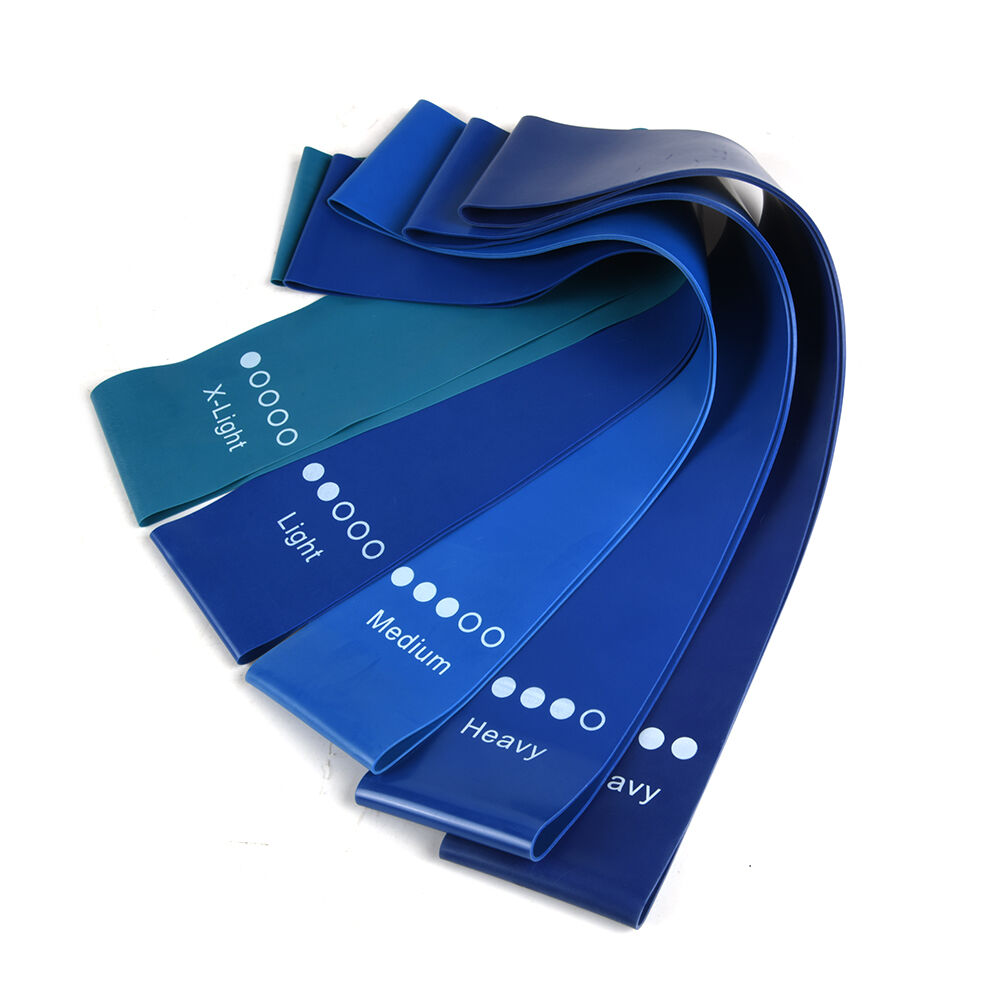
Functional training has revolutionized modern fitness by focusing on movements that translate directly to real-world activities and athletic performance. Within this training philosophy, mini loop bands have emerged as indispensable tools that bridge the gap between rehabilitation exercises and high-performance training protocols. These compact resistance devices enable trainers and athletes to target specific movement patterns while addressing mobility, stability, and strength deficits that traditional weight training often overlooks.
The integration of mini loop bands into functional training programs represents a sophisticated understanding of human movement mechanics and the progressive overload principle. Unlike isolated strength exercises that work muscles in singular planes of motion, functional training with mini loop bands emphasizes multi-planar movements that challenge the body's ability to coordinate, stabilize, and generate force across multiple muscle groups simultaneously. This approach creates training adaptations that directly enhance an individual's capacity to perform daily activities with greater efficiency and reduced injury risk.
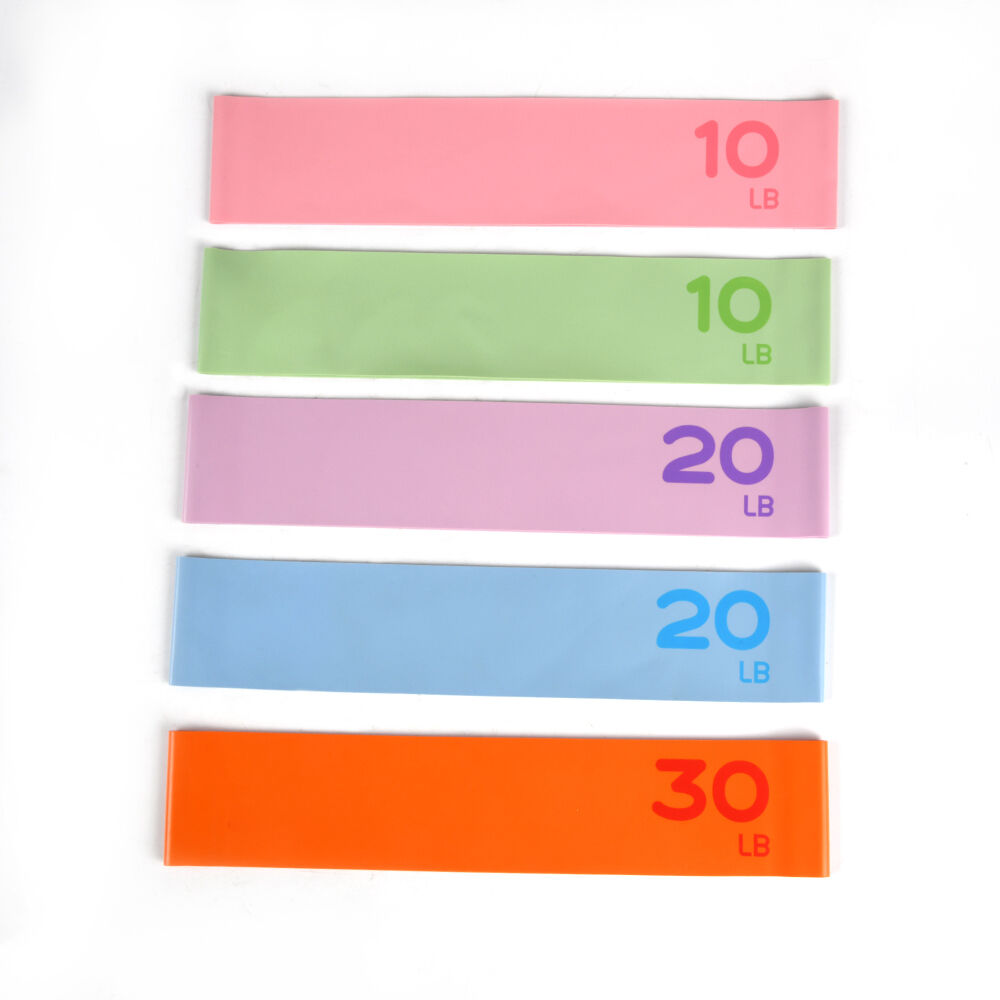
Movement Pattern Enhancement Through Mini Loop Band Integration
Multi-Planar Movement Development
Mini loop bands excel at facilitating multi-planar movement training, which forms the cornerstone of effective functional fitness programs. Unlike traditional weights that primarily work in the sagittal plane, mini loop bands create resistance vectors that challenge frontal and transverse plane movements simultaneously. This multi-directional resistance forces the neuromuscular system to develop coordination patterns that mirror real-world movement demands, from lateral stepping motions to rotational activities.
The elastic properties of mini loop bands provide accommodating resistance, meaning the tension increases as the band stretches throughout the range of motion. This resistance profile closely matches the strength curve of many human movements, where muscles are typically stronger in shortened positions and weaker in lengthened positions. By matching this natural strength curve, mini loop bands optimize force production training while reducing the risk of injury that can occur with fixed-weight resistance at vulnerable joint angles.
Functional training programs utilize mini loop bands to teach proper movement mechanics before progressing to heavier loads. The bands provide immediate tactile feedback when movement quality degrades, as improper positioning or compensatory patterns become immediately apparent through changes in band tension or positioning. This real-time feedback mechanism accelerates motor learning and helps establish proper movement engrams that transfer to more complex training activities.
Kinetic Chain Activation and Coordination
The role of mini loop bands in developing kinetic chain coordination cannot be overstated in functional training contexts. These bands facilitate the sequential activation of muscle groups that must work together to produce efficient movement patterns. For example, during lateral band walks, the hip abductors initiate movement while the core stabilizers maintain spinal alignment and the contralateral leg provides stability and balance control.
Mini loop bands create what exercise physiologists term "irradiation effects," where activation of target muscles automatically recruits synergistic muscle groups to maintain proper positioning and movement quality. This phenomenon teaches the nervous system to coordinate complex movement patterns while developing intermuscular coordination that directly transfers to athletic performance and activities of daily living.
The continuous tension provided by mini loop bands throughout movement ranges ensures that stabilizing muscles remain active during both concentric and eccentric phases of exercise. This constant activation requirement develops the endurance qualities of postural muscles while strengthening movement-producing muscles, creating balanced development that reduces injury risk and improves functional capacity.
Targeted Muscle Activation and Correction Strategies
Glute Activation and Hip Stability
Perhaps nowhere is the functional training value of mini loop bands more evident than in glute activation and hip stability development. Modern lifestyle factors, including prolonged sitting and limited movement variety, often result in gluteal amnesia and hip stability deficits that compromise movement quality and increase injury risk. Mini loop bands provide targeted activation strategies that awaken dormant motor patterns while strengthening weak muscle groups.
The positioning of mini loop bands around the lower extremities creates external resistance that forces the hip abductors and external rotators to engage actively during movement. This engagement pattern directly addresses common movement dysfunctions, such as knee valgus during squatting motions or hip drop during single-leg activities. By consistently challenging these muscle groups, functional training programs using mini loop bands develop the strength and endurance necessary for maintaining proper alignment during dynamic activities.
Functional training protocols incorporate mini loop bands at various positions along the lower extremity to target different aspects of hip function. Bands placed around the ankles emphasize distal stability and fine motor control, while bands positioned above or below the knees focus on proximal hip strength and gross motor patterns. This positioning versatility allows trainers to address specific deficits while progressing clients through increasingly challenging movement patterns.
Core Stabilization and Anti-Movement Training
Mini loop bands play a crucial role in developing core stabilization through anti-movement training principles. Rather than focusing solely on dynamic core exercises, functional training programs use mini loop bands to create perturbation forces that challenge the core's ability to resist unwanted movement. This approach develops the feed-forward activation patterns that protect the spine during unpredictable loading scenarios.
The asymmetrical loading patterns created by mini loop band exercises force the core stabilizers to work dynamically while maintaining spinal neutrality. Exercises such as single-arm band pulls or unilateral leg movements with band resistance create rotational and lateral forces that must be countered by appropriate core muscle activation. This training approach develops functional core strength that directly transfers to activities requiring spinal stability under varying load conditions.
Functional training programs strategically integrate mini loop bands to address specific core weaknesses identified through movement screening assessments. The bands provide graded resistance that can be adjusted by altering band thickness, pre-stretch, or exercise positioning, allowing for precise progression matching individual capability and training goals.
Progressive Overload and Exercise Regression-Progression Strategies
Accommodation Resistance and Strength Development
The unique resistance properties of mini loop bands provide functional training programs with sophisticated tools for implementing progressive overload principles. Unlike traditional weights that provide constant resistance, mini loop bands offer variable resistance that increases throughout the range of motion. This accommodation resistance profile challenges muscles differently than fixed weights, promoting strength development across full movement ranges while reducing stress on joints at mechanically disadvantageous positions.
Functional training progressions using mini loop bands can be manipulated through multiple variables including band tension, range of motion, exercise complexity, and temporal factors such as tempo and hold times. This multifaceted approach to progression allows trainers to systematically advance clients without requiring additional equipment or significantly increased space requirements. The portability and versatility of mini loop bands make them ideal for maintaining training continuity across different environments and training phases.
The elastic properties of mini loop bands also provide deceleration training benefits that are often overlooked in traditional resistance training. As bands return to their resting length, they create an eccentric loading phase that trains the neuromuscular system to control deceleration forces. This eccentric training component is crucial for functional movement development, as most activities of daily living and athletic movements involve significant deceleration and control phases.
Movement Quality Before Quantity Principles
Mini loop bands serve as excellent tools for implementing movement quality assessment and correction within functional training programs. The immediate feedback provided by band resistance allows trainers to identify movement compensations and asymmetries that might not be apparent during unloaded movements. This diagnostic capability enables targeted intervention strategies that address movement dysfunction before progressing to more challenging exercises or heavier loads.
The regression capabilities of mini loop bands make them invaluable for accommodating various fitness levels within group training environments. Exercises can be modified through band selection, positioning adjustments, or range of motion limitations, allowing participants with different capabilities to perform similar movement patterns while receiving appropriate challenge levels. This scalability supports the functional training principle that movement competency must be established before advancing to higher-intensity activities.
Functional training programs utilize mini loop bands to establish movement benchmarks and track progress over time. The standardized resistance provided by specific band tensions allows for consistent assessment of strength gains, range of motion improvements, and movement quality enhancements. This objective measurement capability supports evidence-based training modifications and helps demonstrate program effectiveness to participants and stakeholders.
Integration Strategies for Comprehensive Program Development
Warm-Up and Activation Protocols
The integration of mini loop bands into warm-up and activation protocols represents a fundamental application within functional training programs. These bands excel at preparing the neuromuscular system for more intensive training activities by facilitating blood flow, increasing tissue temperature, and activating key muscle groups that will be challenged during the main training session. The low-impact nature of band exercises makes them ideal for individuals with joint restrictions or those recovering from injury.
Functional training warm-up sequences using mini loop bands typically progress from simple, single-plane movements to complex, multi-planar patterns that mirror the demands of the upcoming training session. This progressive activation approach ensures that all relevant muscle groups are prepared while rehearsing movement patterns that will be emphasized during the main workout. The bands provide sufficient resistance to elevate heart rate and promote tissue warming without creating excessive fatigue that might compromise training quality.
The portability and quick setup characteristics of mini loop bands make them particularly valuable for group training environments where efficient warm-up protocols are essential. Participants can quickly access and position bands for activation exercises, minimizing transition time while maximizing movement preparation benefits. This efficiency factor contributes to improved training session flow and participant satisfaction within functional fitness programs.
Corrective Exercise Integration
Mini loop bands serve as powerful corrective exercise tools within functional training programs, addressing movement dysfunctions and muscle imbalances that can limit performance and increase injury risk. The bands provide targeted resistance that can selectively strengthen weak muscle groups while improving movement pattern quality through enhanced proprioceptive feedback. This corrective capacity makes mini loop bands essential components of comprehensive functional fitness programs.
The integration of corrective exercises using mini loop bands follows systematic assessment protocols that identify specific movement limitations or asymmetries. Once identified, targeted interventions using appropriate band tensions and exercise selections can address these deficits while maintaining focus on functional movement patterns. This approach ensures that corrective work directly supports overall training goals rather than creating isolated strength improvements that fail to transfer to functional activities.
Functional training programs utilize mini loop bands to address common movement dysfunctions such as forward head posture, rounded shoulders, anterior pelvic tilt, and knee valgus patterns. The bands provide gentle but consistent resistance that helps retrain proper positioning and activation patterns while strengthening supporting musculature. This comprehensive approach to movement correction supports long-term training success and reduces the likelihood of injury during progression to more challenging exercises.
FAQ
How do mini loop bands differ from other resistance tools in functional training?
Mini loop bands provide unique advantages in functional training through their ability to create multi-directional resistance patterns that closely match human movement mechanics. Unlike traditional weights or machines that typically work in single planes, mini loop bands generate variable resistance that increases throughout the range of motion, providing accommodating resistance that matches natural strength curves. Their continuous tension properties activate stabilizing muscles throughout entire movement ranges, developing intermuscular coordination that directly transfers to functional activities. The portability and versatility of mini loop bands also allow for training continuity across different environments while providing immediate movement feedback that accelerates motor learning and technique improvement.
What specific movement patterns benefit most from mini loop band integration?
Mini loop bands are particularly effective for lateral movement patterns, hip abduction exercises, glute activation sequences, and rotational activities that are often neglected in traditional training programs. They excel at addressing frontal and transverse plane movements, including lateral walks, monster walks, clamshells, and anti-rotation exercises that develop functional stability and coordination. Single-leg movements such as lateral lunges, step-ups with band resistance, and balance challenges with perturbation forces also benefit significantly from mini loop band integration. These movement patterns directly translate to improved athletic performance and enhanced ability to perform activities of daily living with reduced injury risk.
How should mini loop bands be progressed within functional training programs?
Progression with mini loop bands should follow systematic principles that advance resistance, complexity, and movement demands gradually over time. Initial progressions focus on band tension increases through thicker bands or greater pre-stretch positions, while maintaining proper movement quality and control. Subsequently, exercise complexity can be advanced through multi-planar movements, unstable surface integration, or combination exercises that challenge multiple movement patterns simultaneously. Temporal progressions include increasing hold times, adjusting tempo variations, or extending exercise duration to develop muscular endurance. Advanced progressions may incorporate multiple bands, asymmetrical loading patterns, or integration with other training tools to create comprehensive functional movement challenges.
Can mini loop bands replace traditional weights in functional training programs?
While mini loop bands provide exceptional value in functional training programs, they serve as complementary tools rather than complete replacements for traditional weights. Mini loop bands excel at activation work, corrective exercises, movement pattern development, and exercises requiring accommodating resistance, but they have limitations in providing the absolute resistance necessary for maximal strength development. Effective functional training programs typically integrate mini loop bands alongside other resistance modalities including free weights, bodyweight exercises, and functional training equipment to create comprehensive training stimuli. The bands are particularly valuable during warm-up phases, corrective exercise periods, and as assistance tools for enhancing movement quality during traditional exercises, making them essential components of well-designed functional fitness programs.
Table of Contents
- Movement Pattern Enhancement Through Mini Loop Band Integration
- Targeted Muscle Activation and Correction Strategies
- Progressive Overload and Exercise Regression-Progression Strategies
- Integration Strategies for Comprehensive Program Development
-
FAQ
- How do mini loop bands differ from other resistance tools in functional training?
- What specific movement patterns benefit most from mini loop band integration?
- How should mini loop bands be progressed within functional training programs?
- Can mini loop bands replace traditional weights in functional training programs?