 EN
EN


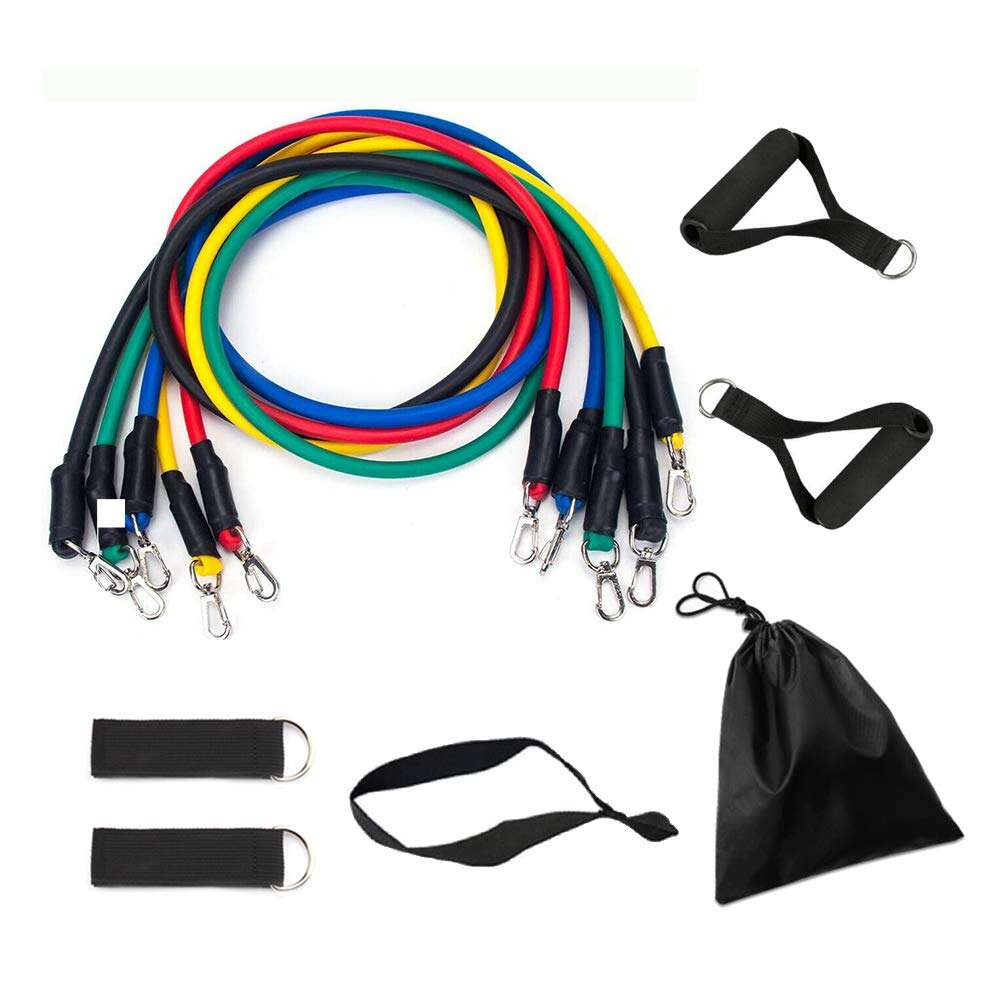
Trainers prefer custom resistance tubes because tailored coaching depends on precise load control, fast exercise adaptation, and client-specific progression that can be adjusted session by session. In real coaching environments, one standardized tool rarely supports beginners, post-rehab clients, and advanced athletes with equal accuracy. Custom resistance tubes make it possible to tune resistance profiles, movement angles, and exercise complexity without disrupting training flow. This is the practical reason many coaches treat them as a programming tool rather than just an accessory.
The preference is not based on trend; it is based on coaching efficiency and measurable client outcomes. When a trainer can calibrate resistance for individual force capacity, program compliance improves and movement quality usually improves as well. Custom resistance tubes also reduce the gap between program design and real-world execution, especially in small studios, mobile coaching, and hybrid in-person and remote models. For tailored programs, they support specificity at a level generic equipment often cannot match.
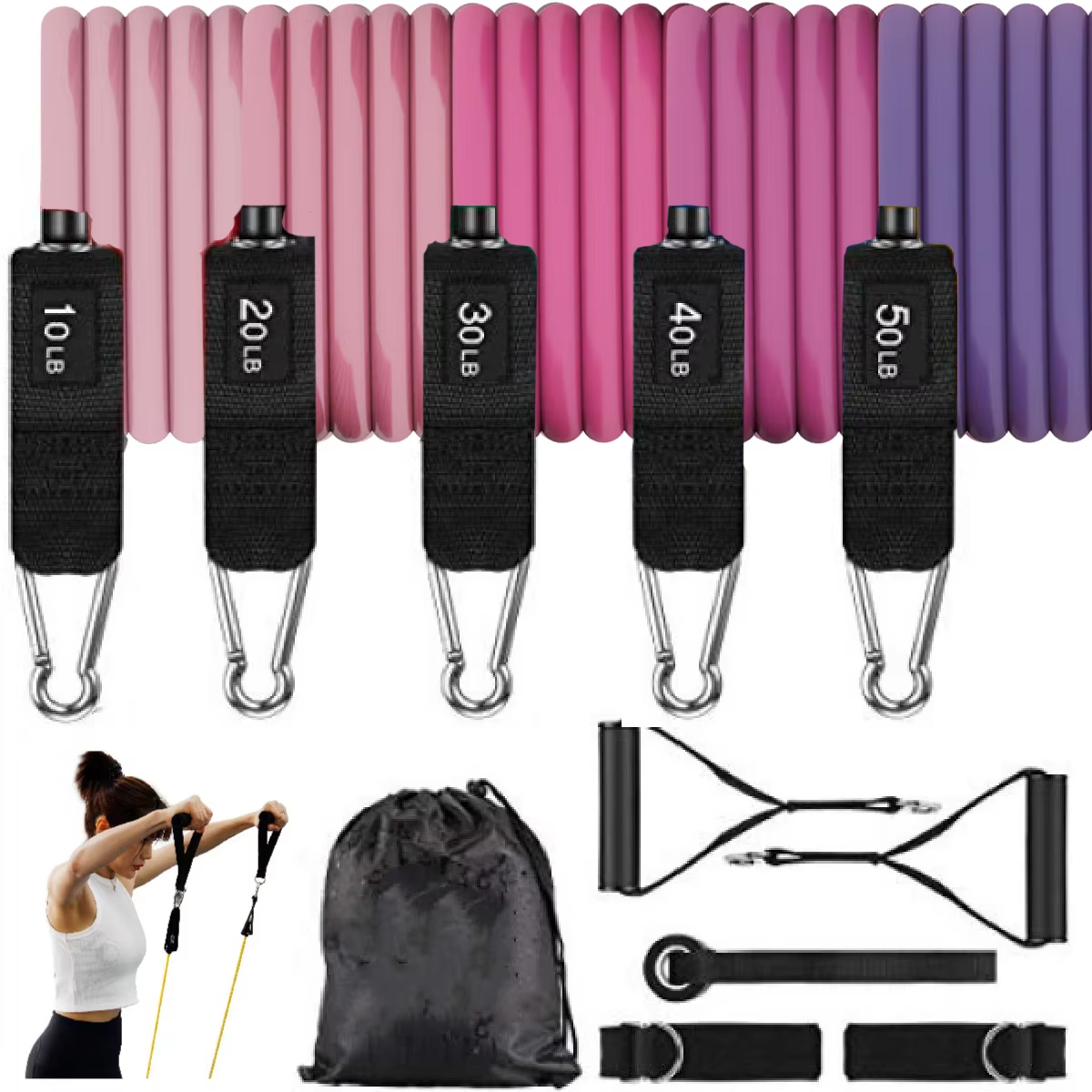
Programming Precision Drives Trainer Preference
Load can be matched to the individual, not the average user
A tailored program starts with matching stimulus to current capacity, and custom resistance tubes allow that match with high granularity. Instead of forcing a client into a fixed resistance jump, a trainer can combine tube levels, adjust effective length, and set attachment points that align with the client’s strength curve. This is especially useful when the difference between too easy and too difficult is small, such as in early-stage strength development. In practice, custom resistance tubes help keep training in the productive zone where technique remains stable and adaptation remains progressive.
For B2B training operations, this precision translates into better session consistency across different coaches. A program designer can define target resistance behavior, and front-line trainers can replicate it with less guesswork. That operational consistency matters when a facility serves many client profiles with varying goals and readiness levels. Custom resistance tubes support that standardization while still preserving individualization.
Progression becomes smoother and easier to sustain
Progression is where many tailored programs fail, not because the plan is weak, but because progression steps are too abrupt. Custom resistance tubes let trainers create micro-progressions by modifying tension, range emphasis, tempo, or unilateral demand before making a full load jump. This keeps clients moving forward while lowering frustration and technical breakdown. Smooth progression often leads to better retention because clients can feel progress without feeling overwhelmed.
When trainers explain this to facility managers, the business value is clear. Better progression quality means fewer stalled programs and fewer unnecessary redesign cycles. Over time, custom resistance tubes reduce programming friction and preserve coach time for higher-value tasks like movement analysis and client communication.
Movement Quality and Biomechanical Control
Resistance can be aligned with specific movement patterns
Tailored programs are built around movement goals, and custom resistance tubes give trainers a flexible way to shape force direction through each pattern. By changing anchor height, body orientation, and line of pull, coaches can emphasize specific phases of pressing, rowing, squatting, or rotational work. This level of control helps clients feel the intended pattern more clearly, which improves motor learning. Custom resistance tubes are therefore useful not only for strength loading but also for pattern refinement.
In corrective or return-to-training contexts, subtle line-of-force adjustments can be the difference between productive reps and compensatory movement. Trainers often prefer tools that allow immediate correction without redesigning the entire session setup. With custom resistance tubes, those adjustments can happen quickly, which keeps session momentum intact while protecting movement quality standards.
Coaching feedback loops improve during live sessions
Real-time coaching depends on fast feedback loops. A trainer observes a deviation, modifies setup, and checks whether the change improves execution. Custom resistance tubes fit this workflow because setup variables can be changed in seconds. Instead of abandoning an exercise, the trainer can modify resistance behavior and preserve the intended training objective.
This responsiveness is a major reason teams adopt custom resistance tubes in tailored systems. It shortens the time between diagnosis and adjustment, which improves coaching quality under real scheduling pressure. For facilities running back-to-back sessions, efficient correction is not optional; it is essential.
Operational Flexibility Across Diverse Client Segments
One framework can serve beginners, general fitness, and advanced users
Trainers working in B2B settings rarely coach a single client type. They may handle onboarding clients, desk-based professionals, sport-focused adults, and high-intensity participants in the same day. Custom resistance tubes support a unified programming framework across this diversity because resistance and exercise complexity can be scaled without changing the whole equipment ecosystem. That makes program delivery more efficient and easier to manage across multiple coaches.
From a business standpoint, this flexibility simplifies staff training and session design templates. Coaches learn one adaptable system and apply it to many scenarios, rather than memorizing disconnected workflows. Custom resistance tubes therefore contribute to both service quality and operational simplicity, which is a valuable combination in growing training organizations.
Space, portability, and session turnover are easier to manage
Tailored programs often run in constrained environments such as compact studios, corporate wellness rooms, or temporary pop-up spaces. Custom resistance tubes are practical in these settings because they are portable, quick to reset, and compatible with varied station layouts. Faster transitions between clients help trainers maintain punctual schedules without reducing program depth.
For mobile and hybrid coaching models, portability directly affects service reliability. When the same trainer can deliver consistent programming quality across locations, client trust usually increases. Custom resistance tubes support this continuity, enabling tailored plans to remain consistent even when the environment changes.
Business Outcomes Linked to Tailored Program Delivery
Client adherence improves when programs feel truly personalized
Clients stay engaged when they can see that each session reflects their current ability, limitations, and goals. Custom resistance tubes help trainers demonstrate that personalization in visible, practical ways, from resistance selection to movement progression. This perceived relevance strengthens motivation and reduces the sense of doing generic workouts. In service businesses, improved adherence often leads to stronger retention and more stable recurring revenue.
Tailored programming is also easier to communicate when adjustments are transparent. Trainers can explain why resistance changed, why range was modified, and what progression milestone is next. Custom resistance tubes make those explanations concrete, which improves client confidence in the process and in the coach.
Program standardization and quality control become more realistic
As training teams expand, quality control becomes harder unless tools and methods are repeatable. Custom resistance tubes support repeatability because variables can be documented and reproduced in program notes. A lead coach can define setup rules and progression criteria, and other coaches can apply them with minimal drift. This matters for organizations that promise consistent outcomes across staff and locations.
Custom resistance tubes also support internal education. New coaches can learn progression logic through clear, controllable setup changes instead of relying on intuition alone. Over time, this improves coaching consistency and protects program standards as the business scales.
Implementation Considerations for Training Organizations
Define progression protocols before broad rollout
To gain full value from custom resistance tubes, teams should define progression protocols at the system level. Protocols can include initial resistance matching, progression triggers, regression rules, and movement quality checkpoints. When these rules are clear, coaches spend less time improvising and more time delivering high-quality sessions. Custom resistance tubes then become part of a structured methodology rather than a loosely used tool.
Documentation is important for continuity and performance review. When trainers record setup details and response patterns, program optimization becomes evidence-based. This reinforces tailored service quality and helps managers evaluate coaching effectiveness with greater confidence.
Integrate maintenance and replacement cycles into operations
Any frequently used training tool requires lifecycle planning. Training organizations should set inspection routines, usage logs, and replacement criteria to maintain safety and performance consistency. Custom resistance tubes perform best when condition and tension behavior remain predictable over time. Preventive maintenance protects both the client experience and operational reliability.
A structured approach also improves budgeting accuracy. Instead of reactive replacements, facilities can forecast equipment refresh cycles and avoid service disruptions. In tailored programs where consistency matters, dependable custom resistance tubes contribute directly to stable delivery standards.
FAQ
Why are custom resistance tubes better for tailored programs than fixed-resistance tools?
Custom resistance tubes allow finer control over resistance level, force direction, and progression pace. That flexibility helps trainers match training stress to each client’s current capacity more accurately. Fixed-resistance tools can still be useful, but they often create larger progression jumps that are less ideal for individualized programming.
Do custom resistance tubes only benefit advanced clients?
No. Custom resistance tubes are valuable across beginner, intermediate, and advanced profiles because they support precise scaling. Beginners benefit from controlled entry points and stable movement learning, while advanced clients benefit from nuanced overload options and pattern-specific resistance adjustments.
How do custom resistance tubes affect coach efficiency in busy facilities?
Custom resistance tubes improve efficiency by enabling quick setup changes and fast exercise modifications without disrupting session flow. Coaches can correct movement issues in real time and maintain programming intent with less downtime. This is particularly useful in high-throughput schedules where transition speed and consistency are critical.
What is the key success factor when adopting custom resistance tubes at scale?
The key factor is operational structure. Teams that define clear progression standards, coach training protocols, and maintenance routines get the strongest results. With that structure in place, custom resistance tubes consistently support tailored programs, better client adherence, and more reliable service quality.
Table of Contents
- Programming Precision Drives Trainer Preference
- Movement Quality and Biomechanical Control
- Operational Flexibility Across Diverse Client Segments
- Business Outcomes Linked to Tailored Program Delivery
- Implementation Considerations for Training Organizations
-
FAQ
- Why are custom resistance tubes better for tailored programs than fixed-resistance tools?
- Do custom resistance tubes only benefit advanced clients?
- How do custom resistance tubes affect coach efficiency in busy facilities?
- What is the key success factor when adopting custom resistance tubes at scale?