 EN
EN


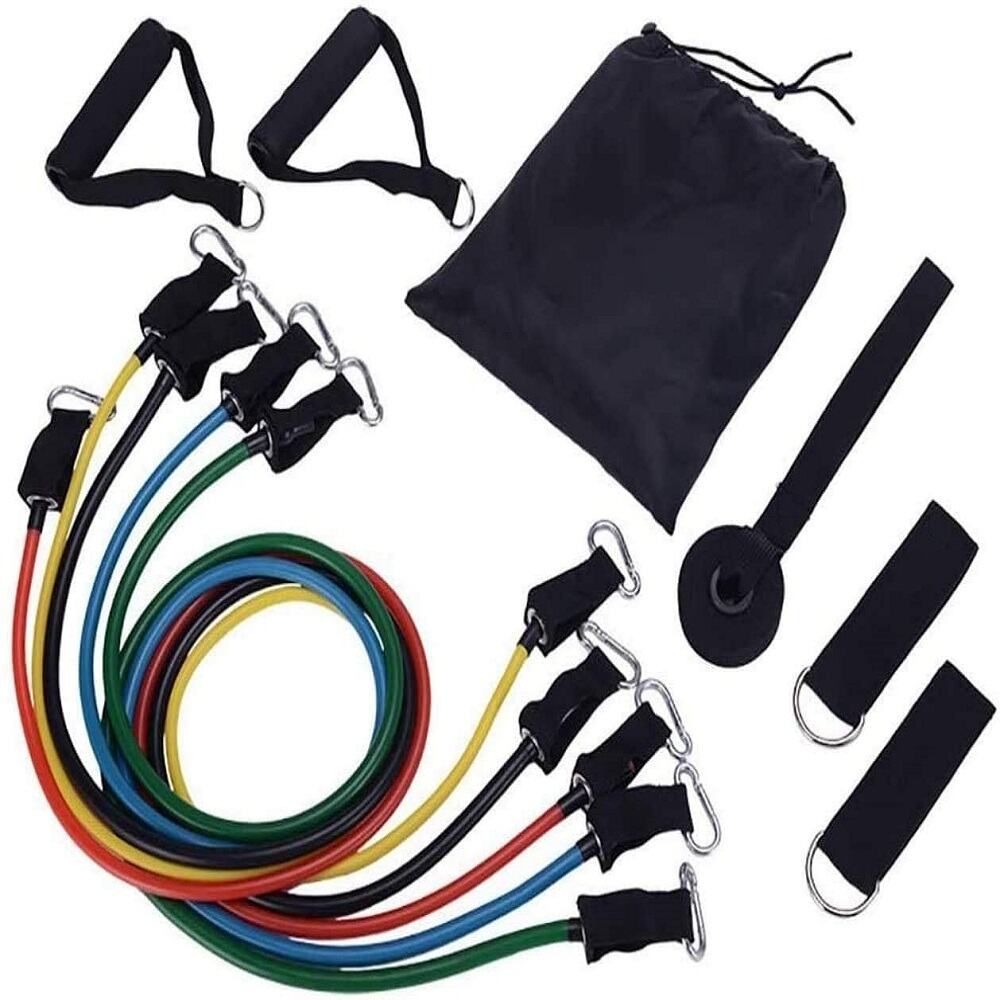
Commercial gyms face the critical challenge of selecting equipment that can withstand heavy daily use while providing consistent performance for diverse member needs. When it comes to resistance training equipment, resistance tubes represent one of the most cost-effective and versatile options available, yet their durability requirements in commercial settings demand careful consideration of materials, construction quality, and usage specifications.
The selection process for commercial-grade resistance tubes involves evaluating multiple factors that directly impact member satisfaction, equipment longevity, and operational costs. Unlike home-use models, commercial resistance tubes must accommodate varying fitness levels, frequent cleaning protocols, and continuous usage throughout operating hours while maintaining their elastic properties and structural integrity over extended periods.
Understanding Commercial-Grade Resistance Tube Requirements
Load Capacity and Member Demographics
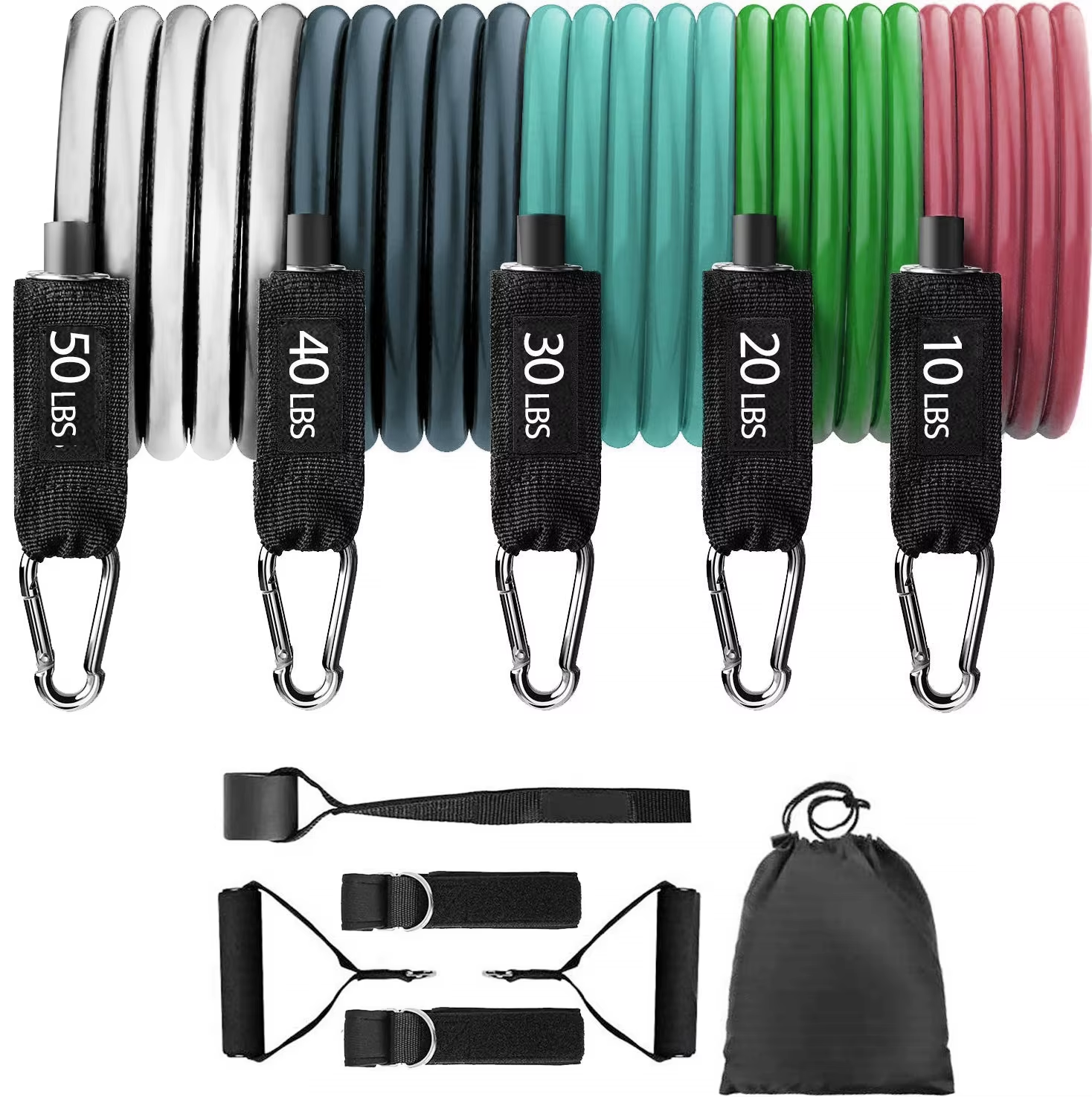
Commercial gyms must evaluate their member demographics to determine appropriate resistance levels for their resistance tubes inventory. Most gym populations include beginners requiring 10-30 pounds of resistance, intermediate users needing 30-60 pounds, and advanced members who may require 60-150 pounds or more. The selected resistance tubes should accommodate this full spectrum while maintaining consistent performance characteristics across all resistance levels.
Member safety becomes paramount when selecting resistance tubes for commercial use, as equipment failure during exercise can result in injury and liability issues. Commercial-grade resistance tubes typically feature reinforced construction with multiple latex layers or advanced synthetic materials that provide predictable resistance curves and fail-safe characteristics. The tubes should maintain their resistance properties even after thousands of stretching cycles, ensuring consistent workout experiences for all members.
Usage frequency analysis helps determine the durability requirements for resistance tubes in commercial settings. High-traffic gyms may see individual tubes used 20-50 times daily, requiring materials and construction methods that can withstand this intensive use without degradation. This usage pattern demands resistance tubes with superior fatigue resistance compared to consumer-grade alternatives.
Material Composition and Durability Standards
Natural latex remains the gold standard for resistance tubes due to its superior elastic properties and durability characteristics. However, commercial gyms must consider latex allergies among members, making synthetic alternatives like TPR or specialized polymer blends viable options. These synthetic materials offer comparable performance while eliminating allergy concerns, though they may have different longevity characteristics that impact replacement schedules.
The manufacturing process significantly influences resistance tubes durability in commercial applications. Seamless construction methods, where tubes are formed as continuous pieces rather than joined sections, provide superior strength and eliminate weak points that commonly cause failure. Multi-layered construction adds redundancy, allowing resistance tubes to maintain functionality even if outer layers develop minor damage.
Chemical resistance becomes crucial for commercial resistance tubes due to frequent cleaning and sanitization requirements. The selected tubes must withstand exposure to commercial-grade disinfectants, alcohol-based cleaners, and UV sanitization methods without experiencing material degradation or changes in elastic properties. This chemical compatibility ensures resistance tubes maintain their performance characteristics throughout their service life.
Evaluating Construction Quality and Design Features
Handle and Attachment System Durability
The connection points between resistance tubes and handles represent the most common failure locations in commercial gym environments. High-quality commercial resistance tubes feature reinforced attachment systems with metal clips, carabiners, or molded connections that distribute stress evenly across the attachment area. These connection systems should be easily replaceable to extend the overall life of the resistance tubes set.
Handle ergonomics directly impact member satisfaction and equipment longevity, as comfortable grips reduce the likelihood of drops and mishandling that can damage resistance tubes. Commercial-grade handles should feature non-slip surfaces, appropriate sizing for various hand sizes, and materials that remain comfortable during extended use. Foam padding or textured surfaces help prevent slipping during intense workouts while protecting the resistance tubes from impact damage.
Interchangeable handle systems provide operational flexibility for commercial gyms by allowing different handle types for various exercises while using the same resistance tubes. This modularity reduces inventory requirements and provides members with exercise variety while protecting the investment in resistance tubes through standardized connection systems.
Protective Features and Safety Mechanisms
Commercial resistance tubes should incorporate protective sleeves or coverings that prevent abrasion against gym equipment, flooring, or other surfaces. These protective elements extend tube life significantly while reducing maintenance requirements and replacement costs. Fabric sleeves or polymer coatings provide this protection without compromising the elastic performance of the underlying resistance tubes.
Safety features such as break-away mechanisms or progressive failure characteristics help prevent sudden catastrophic failure of resistance tubes during use. Quality commercial units are designed to show visible wear indicators before complete failure, allowing gym staff to identify and replace resistance tubes before they pose safety risks to members.
Length adjustment capabilities enable commercial gyms to accommodate various exercise types and member heights with a single set of resistance tubes. Adjustable systems with secure locking mechanisms provide versatility while maintaining safety standards essential for commercial gym operations.
Operational Considerations for Commercial Gym Selection
Maintenance and Cleaning Requirements
Commercial gyms must establish cleaning protocols for resistance tubes that balance sanitation requirements with material preservation. The selected resistance tubes should be compatible with standard gym cleaning procedures, including spray disinfectants, wipe-down protocols, and periodic deep cleaning methods. Materials that require special cleaning procedures or are incompatible with common disinfectants create operational complications and increased labor costs.
Storage requirements for resistance tubes in commercial settings demand consideration of space efficiency and organization systems. Quality resistance tubes should maintain their properties when stored in various orientations and temperatures typical of gym environments. Storage accessories such as racks, hooks, or carrying cases help organize resistance tubes while preventing damage from improper storage or handling.
Inspection protocols become essential for commercial gyms using resistance tubes, as regular evaluation helps identify wear patterns and potential failure points before they compromise safety. The selected resistance tubes should allow easy visual inspection of critical components, with clear indicators of wear or damage that gym staff can readily identify during routine maintenance checks.
Cost-Effectiveness and Replacement Planning
Total cost of ownership calculations for commercial resistance tubes must include initial purchase price, expected service life, replacement costs, and maintenance requirements. Higher-quality resistance tubes with greater durability often provide better long-term value despite higher initial costs, as they reduce replacement frequency and minimize member disruption from equipment unavailability.
Warranty coverage and manufacturer support influence the selection of resistance tubes for commercial applications. Comprehensive warranties that cover defects, premature wear, and replacement parts provide protection for gym investments while ensuring continued operation. Manufacturer support for commercial accounts, including bulk pricing and expedited replacement services, adds value beyond the initial purchase.
Inventory management strategies for resistance tubes in commercial gyms should account for different resistance levels, replacement schedules, and member demand patterns. Maintaining appropriate stock levels of various resistance tubes ensures consistent availability while minimizing storage requirements and capital investment in unused inventory.
Implementation and Member Training Considerations
Staff Training and Safety Protocols
Successful implementation of resistance tubes in commercial gyms requires comprehensive staff training on proper equipment inspection, member instruction, and safety protocols. Gym staff should understand the capabilities and limitations of the selected resistance tubes, enabling them to provide appropriate guidance to members and identify potential safety concerns during use.
Safety protocols specific to resistance tubes use in commercial settings should address proper anchoring methods, exercise form correction, and emergency procedures for equipment failure. These protocols help prevent injuries while maximizing the effectiveness of resistance tubes for member fitness goals. Clear guidelines for resistance tubes usage help maintain equipment in optimal condition while ensuring member safety.
Documentation of resistance tubes specifications, usage guidelines, and maintenance procedures creates consistency across staff shifts and provides reference materials for ongoing operations. This documentation should include manufacturer recommendations, gym-specific protocols, and troubleshooting procedures that support effective resistance tubes management.
Member Education and Engagement
Member education programs enhance the value proposition of resistance tubes in commercial gyms by demonstrating proper usage techniques and exercise progressions. Educated members are less likely to misuse equipment, leading to longer resistance tubes life and reduced replacement costs while improving member satisfaction and retention.
Progressive training programs utilizing resistance tubes help members understand the versatility and effectiveness of this equipment type. These programs can showcase the full range of exercises possible with quality resistance tubes while encouraging proper form and technique that protects both members and equipment from damage.
Feedback collection from members using resistance tubes provides valuable insights for equipment selection and replacement decisions. Member input regarding comfort, effectiveness, and durability helps gym operators make informed decisions about resistance tubes specifications and replacement timing that align with member needs and expectations.
FAQ
What resistance levels should commercial gyms stock for resistance tubes?
Commercial gyms should typically stock resistance tubes ranging from light (10-20 lbs) to extra heavy (80-150 lbs) to accommodate their diverse membership base. Most facilities find success with a selection that includes light, medium, heavy, and extra heavy resistance levels, allowing members to progress through different fitness stages and accommodate various exercise types and body strengths.
How often should commercial gyms replace resistance tubes?
Replacement frequency for commercial resistance tubes depends on usage intensity and quality, but most commercial-grade tubes should last 12-24 months under normal gym conditions. High-traffic facilities may need to replace resistance tubes every 8-12 months, while lower-usage gyms might extend replacement cycles to 18-36 months. Regular inspection every 3-6 months helps identify tubes requiring early replacement due to wear or damage.
Are latex or synthetic resistance tubes better for commercial gyms?
Both latex and synthetic resistance tubes have advantages for commercial use. Latex tubes typically offer superior durability and elastic properties but may cause allergic reactions in some members. Synthetic alternatives eliminate allergy concerns and often provide better chemical resistance to cleaning products, making them ideal for facilities with strict sanitation requirements or members with latex sensitivities.
What safety features should commercial gyms prioritize in resistance tubes?
Commercial gyms should prioritize resistance tubes with reinforced connection points, protective sleeves to prevent abrasion, and progressive failure characteristics that provide warning before complete breakage. Additional safety features include secure anchor systems, comfortable non-slip handles, and clear resistance level markings that help members select appropriate tubes for their fitness level and exercise goals.