 EN
EN


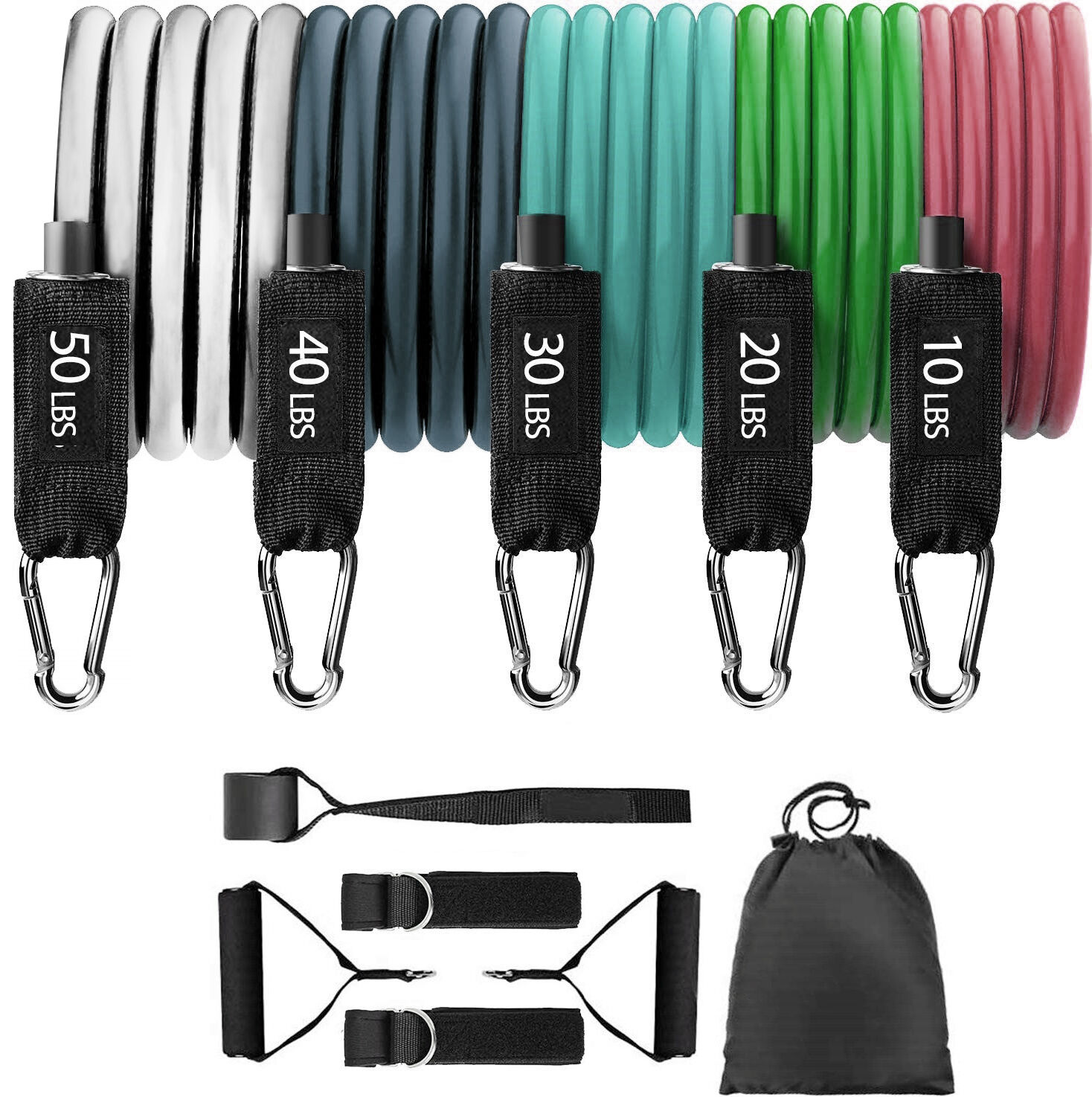
Resistance tubes provide flexible training by letting one tool scale from entry-level movement practice to high-tension strength work without changing the core exercise pattern. In practical terms, resistance tubes help beginners learn control, help intermediate users add volume and precision, and help advanced users layer tension, tempo, and stability demands in the same session. This is why resistance tubes are widely used in home fitness, studio programming, rehabilitation support, and performance conditioning. For B2B buyers, coaches, and facility managers, the key advantage is that resistance tubes create progressive training paths across mixed user groups while keeping equipment footprint low.
The flexibility of resistance tubes comes from variable load behavior, attachment options, and simple progression controls. A user can adjust the challenge by changing tube thickness, range of motion, body position, anchor point, and movement speed. Because resistance tubes can be adapted quickly, a trainer can run one class with different ability levels while preserving coaching consistency. Understanding how resistance tubes deliver this adaptability helps organizations design safer onboarding, better retention, and more efficient training outcomes across a broad user base.
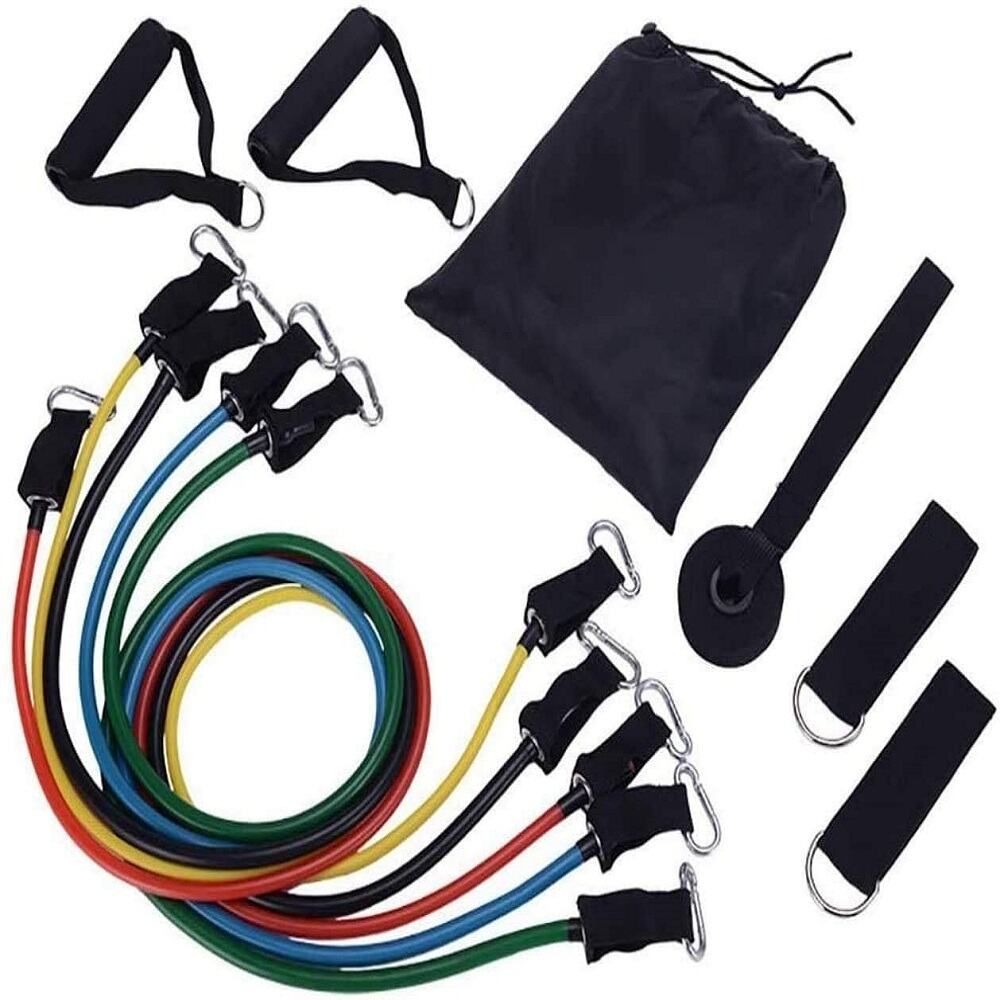
Load Mechanics That Adapt Across Skill Levels
Elastic resistance creates scalable effort without complex setup
The first reason resistance tubes support different user levels is their mechanical response. As the tube stretches, tension rises, so users experience progressive resistance through the movement arc. New users can begin with shorter ranges and lighter tube ratings, while experienced users can increase extension and immediately raise intensity. This makes resistance tubes practical for facilities that need many difficulty options without racks of heavy equipment.
Unlike fixed-load tools, resistance tubes allow micro-adjustments during the set itself. A user can step closer to reduce tension, then step back to increase challenge, all while keeping form cues consistent. That dynamic control is useful for coaching because technique quality can be protected even when fatigue changes from rep to rep. For mixed-level groups, resistance tubes reduce the gap between participants by letting each person work at an individualized effort level under one exercise template.
Direction of force improves movement-specific training
Resistance tubes can pull from multiple angles, which expands how load is applied to real movement patterns. A beginner might perform a row from a stable seated position, while an advanced athlete performs a split-stance anti-rotation row from the same anchor point. The exercise family stays the same, but stability and force demands scale naturally. This directional flexibility is a core reason resistance tubes fit broad training populations.
In industrial wellness and corporate fitness programs, this feature supports task-relevant conditioning. Teams that need shoulder endurance, trunk stability, or posture correction can use resistance tubes to train in vectors that resemble workplace movement demands. Because the line of pull is easy to modify, coaches can refine exercise intent without replacing equipment categories. As a result, resistance tubes support both general fitness and context-specific programming with minimal operational friction.
Progression Frameworks for Beginner, Intermediate, and Advanced Users
Beginner progression starts with control and confidence
For beginners, resistance tubes are effective when progression begins with movement literacy rather than load chasing. Early sessions should focus on joint alignment, breathing rhythm, and smooth tempo under light tension. Simple patterns such as chest press, row, squat assist, and overhead pull-apart allow users to build confidence while learning how resistance tubes respond at different stretch lengths. This reduces intimidation and improves adherence in first-time users.
A practical beginner sequence uses short work intervals, moderate repetition targets, and clear rest windows. The trainer can keep the same movement pattern for several sessions while adjusting tube tension incrementally. Because resistance tubes provide immediate tactile feedback, users quickly recognize when posture or path drifts. That feedback loop accelerates skill acquisition and lowers the risk of compensatory movement habits.
Intermediate progression layers volume, tempo, and unilateral work
At the intermediate stage, resistance tubes become a tool for structured overload through density and control complexity. Instead of only increasing tension, programs can add slower eccentrics, longer isometric holds, and unilateral variations that challenge balance. This approach develops strength-endurance and coordination together, which is often more valuable than simple load progression in general population settings. Resistance tubes make these changes easy to implement within the same equipment kit.
Intermediate users also benefit from movement pairing, such as push-pull supersets and lower-upper alternation, to improve session efficiency. Because transition time with resistance tubes is short, total productive work per session increases. In group formats, this helps coaches keep classes synchronized even when participants use different tension levels. Operationally, resistance tubes support high-throughput programming without sacrificing individualized intensity.
Advanced progression uses stacked tension and stability demand
Advanced users need greater challenge, and resistance tubes can deliver it through stacked loading, longer range execution, and instability integration. Using multiple tubes at once increases peak tension while preserving the same movement mechanics. Combining split stance, single-leg support, or anti-rotation constraints raises neuromuscular demand without requiring large machines. This keeps training adaptable in compact environments.
For performance-focused protocols, resistance tubes also support speed-strength emphasis by enabling rapid concentric intent with controlled deceleration. Trainers can periodize heavy-tension strength blocks and lighter-tension power blocks using the same setup. This continuity improves coaching precision and session flow. It also demonstrates why resistance tubes remain relevant even for experienced users with high training age.
Program Design Logic for Multi-Level Training Environments
One exercise blueprint with level-based regressions and progressions
In multi-level settings, resistance tubes work best when programs are built around shared movement blueprints. For example, all users can perform a horizontal pull, but beginner, intermediate, and advanced versions differ by stance, tension, and tempo. This model simplifies instruction, improves floor management, and preserves training coherence across ability levels. Resistance tubes are ideal for this framework because small configuration changes create meaningful difficulty shifts.
From a business perspective, standardized templates reduce coach onboarding time and improve class consistency across locations. New staff can learn one core system and apply it broadly with predictable outcomes. Since resistance tubes are portable and easy to store, session setup time is reduced, which increases program utilization. This helps fitness operators and wellness teams deliver higher-value service with controlled operating complexity.
Cycle planning supports measurable progress without equipment expansion
Progress tracking with resistance tubes should use multiple metrics, including tension level, repetition quality, range control, and fatigue tolerance. When users see progression in more than one dimension, motivation tends to remain stable even if absolute load changes slowly. This is important in long-term adherence programs where consistency drives outcomes. Resistance tubes provide clear progression markers that can be logged in simple coaching systems.
Quarterly cycle planning can rotate emphasis between technique foundation, hypertrophy-oriented volume, and strength-endurance resilience. Because resistance tubes support each phase with minor setup changes, organizations avoid constant equipment reinvestment. The same inventory can serve onboarding cohorts and advanced members at once. That scalability is a major reason resistance tubes are effective in B2B training models where resource efficiency and result continuity both matter.
Implementation and Procurement Considerations for B2B Buyers
Choosing specifications that fit varied user populations
To maximize flexibility, buyers should evaluate resistance tubes by tension range spread, material durability, handle comfort, anchor compatibility, and replacement planning. A narrow tension range limits progression pathways, while a broad range supports diverse user readiness levels. Durable latex quality and secure connectors are essential for frequent commercial use. Well-selected resistance tubes lower lifecycle friction and support consistent training delivery.
Facility context also matters. Corporate gyms, therapy-adjacent studios, and bootcamp spaces have different throughput and sanitation demands. Resistance tubes chosen for these environments should align with cleaning protocols, storage workflows, and session turnover speed. Procurement decisions that reflect daily operations improve trainer adoption and user experience from the first month onward.
Integrating product choice into coaching outcomes
Equipment selection should connect directly to programming goals, not just unit cost. When coaches can map each tension level to specific progression stages, resistance tubes become part of a reliable development system. This is where product configuration influences measurable outcomes such as adherence, movement quality, and progression rate. A structured set like resistance tubes can support broad full-body training pathways in a compact footprint.
Implementation improves further when organizations define simple usage standards, inspection routines, and coach cue libraries. These operational details protect consistency across teams and reduce variance in session quality. Over time, resistance tubes move from being a basic accessory to a core training platform that supports beginner onboarding and advanced progression alike. That strategic role is exactly why resistance tubes provide flexible training for different user levels.
FAQ
How quickly can beginners progress with resistance tubes?
Most beginners can show clear progress with resistance tubes within a few weeks when training is consistent and technique-focused. Early gains usually appear as better control, smoother tempo, and improved posture before large tension increases. Because resistance tubes allow small, safe load adjustments, progression can be frequent without overwhelming the user. This makes resistance tubes effective for building confidence and retention in early-stage programs.
Are resistance tubes suitable for advanced strength development?
Resistance tubes are suitable for advanced strength development when programming includes stacked tension, unilateral loading, and tempo manipulation. They may not replace every heavy free-weight objective, but resistance tubes can create high effort and significant stability demand in many patterns. Advanced users often benefit from combining resistance tubes with phase-based planning that alternates strength and power emphasis. The result is a versatile system that supports continued adaptation.
What makes resistance tubes practical for group training operations?
Resistance tubes are practical in group operations because they enable individual intensity scaling without changing the core class structure. Coaches can keep one movement blueprint while adjusting tension, stance, and range by participant. This improves instructional clarity and reduces transition downtime. Resistance tubes also require limited floor space and storage, which supports efficient high-throughput scheduling.
How should facilities maintain resistance tubes for safe long-term use?
Facilities should inspect resistance tubes regularly for surface wear, connector integrity, and elasticity consistency. Storage away from direct heat and UV exposure helps preserve material life, and routine cleaning should follow material-safe procedures. Rotating usage across sets can reduce uneven wear in high-traffic environments. With clear inspection and replacement protocols, resistance tubes remain reliable for sustained multi-level programming.