 EN
EN



Selecting the perfect yoga mat can significantly impact your practice experience, comfort level, and overall performance. With numerous materials, thicknesses, and features available in today's market, understanding the specific requirements of your yoga style becomes essential for making an informed decision. The right mat serves as your foundation, providing stability, cushioning, and grip while supporting various poses and movements throughout your session.
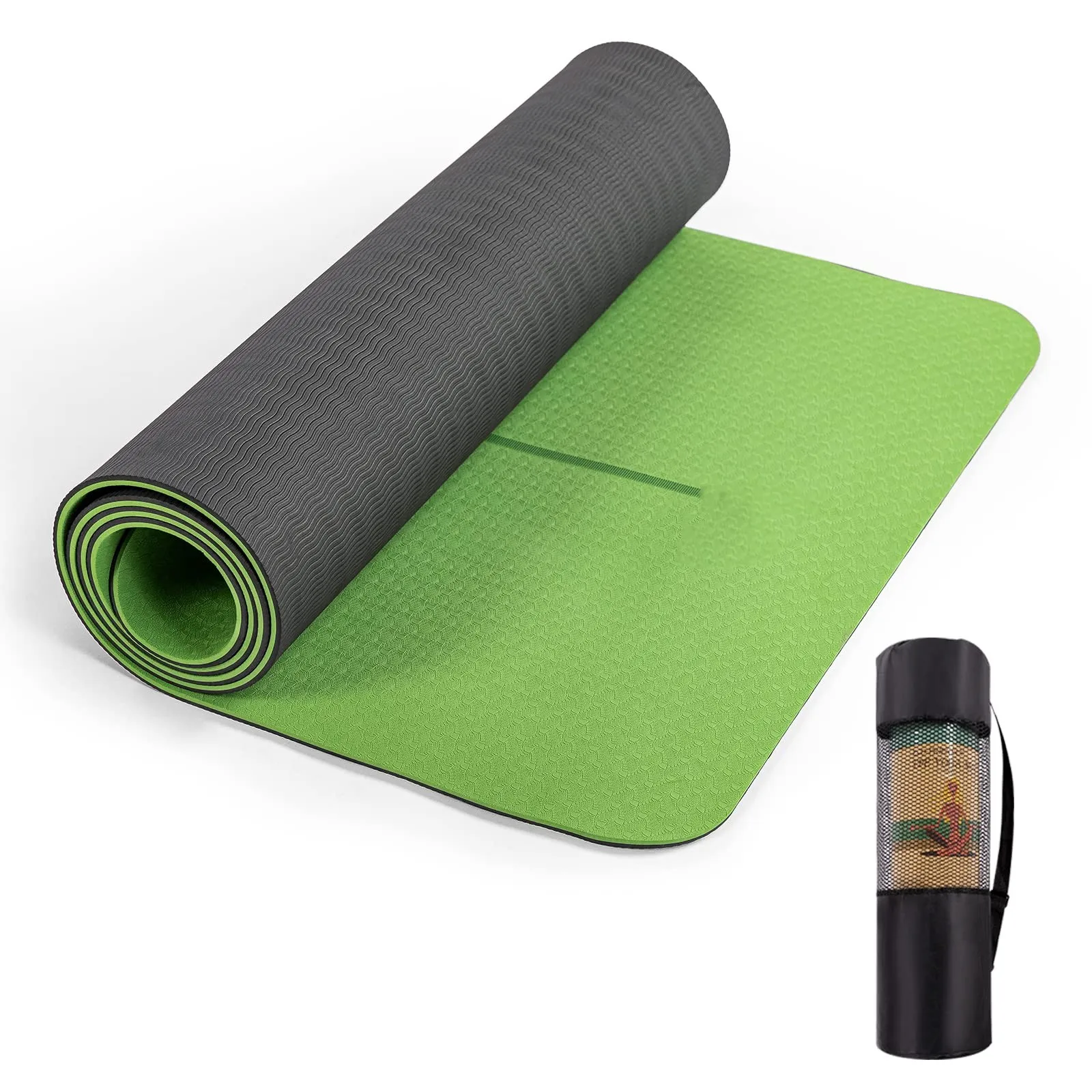
Modern yoga practitioners face diverse options ranging from traditional rubber mats to innovative synthetic alternatives. Each material offers distinct advantages depending on your practice intensity, environmental preferences, and personal comfort needs. Environmental consciousness has also become a driving factor, with many yogis seeking sustainable options that align with their values while maintaining exceptional performance standards.
The evolution of yoga mat technology has introduced advanced materials that combine durability, comfort, and eco-friendliness. Understanding these developments helps practitioners make choices that support both their physical practice and environmental commitments. This comprehensive guide explores the key factors influencing mat selection and provides practical insights for different yoga disciplines and personal preferences.
Understanding Different Yoga Mat Materials
Natural Rubber Options
Natural rubber mats represent the traditional choice for many yoga practitioners, offering excellent grip and durability. These mats provide superior traction, especially during heated or vigorous practices where perspiration might compromise stability. The natural latex composition creates a sticky surface that maintains grip even when slightly moist, making it ideal for power yoga, vinyasa flow, and hot yoga sessions.
However, natural rubber mats require specific care and maintenance to preserve their longevity. They tend to be heavier than synthetic alternatives and may develop odors over time if not properly cleaned and aired. Some practitioners also experience allergic reactions to latex, necessitating alternative material choices for sensitive individuals.
The environmental impact of natural rubber varies depending on sourcing practices and manufacturing processes. Responsibly harvested rubber offers a renewable option, though transportation and processing factors should be considered when evaluating overall sustainability.
Synthetic Material Advantages
Synthetic yoga mats, particularly those made from thermoplastic elastomer materials, have gained popularity due to their versatility and performance characteristics. A high-quality TPE yoga mat combines the benefits of traditional materials while addressing common concerns about weight, maintenance, and environmental impact.
These synthetic options typically offer superior resistance to moisture, bacteria, and odors compared to natural alternatives. The closed-cell structure of quality synthetic mats prevents liquid absorption, making them easier to clean and maintain. This characteristic proves especially valuable for practitioners who frequent public studios or prefer home practice without extensive mat care routines.
Manufacturing advances have enabled synthetic mats to achieve grip levels comparable to natural rubber while maintaining lighter weight profiles. Many modern synthetic mats also incorporate recycled materials or utilize production processes with reduced environmental impact, appealing to environmentally conscious practitioners.
Eco-Friendly Innovations
The yoga community's growing environmental awareness has driven innovation in sustainable mat materials. Manufacturers now offer options incorporating recycled plastics, plant-based materials, and biodegradable components. These eco-friendly alternatives aim to minimize environmental impact throughout the product lifecycle while maintaining performance standards expected by serious practitioners.
Cork-based mats have emerged as a popular natural alternative, providing antimicrobial properties and unique grip characteristics that improve with moisture. Jute and organic cotton combinations offer completely biodegradable options, though they may require more frequent replacement compared to synthetic alternatives.
Some manufacturers focus on end-of-life considerations, designing mats that can be recycled or composted after use. These innovations address the complete environmental cycle, from raw material sourcing through disposal, appealing to practitioners seeking comprehensive sustainability solutions.
Thickness and Cushioning Considerations
Standard Thickness Options
Yoga mat thickness significantly influences comfort, stability, and portability, with standard options ranging from thin travel mats to thick cushioning versions. The most common thickness range falls between 4-6mm, providing adequate cushioning for most practice styles while maintaining connection to the floor for balance poses.
Thinner mats, typically 2-3mm, excel in situations requiring maximum stability and floor connection. Advanced practitioners often prefer these options for challenging balance sequences and inversions where proprioceptive feedback becomes crucial. However, thin mats provide minimal joint cushioning, potentially causing discomfort during floor-based poses or extended sessions.
Ultra-thin travel mats sacrifice cushioning for portability, making them suitable for practitioners who frequently travel or practice in multiple locations. These mats fold easily and add minimal weight to luggage, though they require additional padding for comfortable floor work.
Extra Cushioning Benefits
Thicker mats, ranging from 6-10mm, provide enhanced joint protection and comfort during restorative practices, prenatal yoga, or sessions involving extensive floor work. The additional cushioning reduces pressure on knees, wrists, and other sensitive areas, making practice more accessible for individuals with joint concerns or injuries.
However, increased thickness can compromise stability during standing poses and balancing sequences. The softer surface may create slight instability, requiring practitioners to engage additional stabilizing muscles or modify certain poses. This trade-off between comfort and stability should inform thickness decisions based on primary practice styles.
Some thick mats incorporate dual-density construction, combining firm base layers with softer top surfaces. This design attempts to balance stability and cushioning, though it typically increases weight and cost compared to single-density alternatives.
Practice-Specific Thickness Recommendations
Different yoga styles benefit from specific thickness ranges based on their movement patterns and requirements. Dynamic practices like vinyasa, power yoga, and ashtanga typically perform best with medium thickness mats (4-6mm) that balance cushioning with stability for flowing sequences and challenging poses.
Restorative and yin yoga practices often benefit from thicker mats (6mm+) that provide comfortable support during extended holds and passive stretches. The additional cushioning reduces discomfort and allows practitioners to relax more fully into poses without distraction from pressure points.
Hot yoga and bikram practices may prefer thinner, more stable mats that maintain grip despite moisture while providing secure footing for the 26-pose sequence. The heated environment often makes additional cushioning less necessary while emphasizing the importance of reliable traction.
Grip and Traction Features
Surface Texture Variations
Mat surface texture plays a crucial role in providing adequate grip for different practice conditions and personal preferences. Smooth surfaces typically require breaking-in periods to develop optimal traction, while textured surfaces provide immediate grip but may feel rough against sensitive skin.
Raised patterns, embossed designs, and specialized textures each offer unique grip characteristics. Some practitioners prefer subtle textures that provide traction without creating uncomfortable pressure points, while others benefit from more pronounced textures that ensure secure footing during challenging poses.
The relationship between texture and cleaning should also be considered, as more complex surface patterns may trap dirt and bacteria more readily than smooth alternatives. Regular maintenance requirements vary significantly based on surface design and usage patterns.
Moisture Management
Effective moisture management becomes essential for maintaining grip throughout practice, particularly during heated sessions or intense physical sequences. Some mat materials naturally improve grip when slightly moist, while others become slippery and dangerous under similar conditions.
TPE yoga mat technology often incorporates moisture-wicking properties that help maintain consistent traction regardless of perspiration levels. This characteristic proves valuable for practitioners who experience varying moisture levels throughout their sessions or those who practice in humid environments.
Additional grip aids, such as yoga towels or grip sprays, can supplement mat performance when needed. However, selecting a mat with appropriate inherent grip characteristics reduces dependence on additional accessories and simplifies practice setup.
Alignment and Positioning Aids
Many modern yoga mats incorporate alignment guides, center lines, or positioning markers to assist with pose accuracy and consistency. These features can be particularly helpful for beginning practitioners learning proper positioning or experienced yogis maintaining precise alignment during complex sequences.
Subtle alignment aids blend functionality with aesthetic appeal, providing guidance without overwhelming the mat design. More prominent guide systems offer detailed positioning assistance but may not appeal to practitioners preferring minimalist aesthetics.
The effectiveness of alignment aids depends on individual learning styles and practice preferences. Some practitioners find visual guides distracting, while others rely on them for consistent pose execution and progression tracking.
Size and Portability Factors
Standard Dimensions
Standard yoga mat dimensions typically measure 68 inches in length and 24 inches in width, accommodating most practitioners for general yoga sequences. However, taller individuals or those preferring extra space may benefit from extended length options reaching 72-84 inches.
Width variations affect lateral movement space and comfort during wide-legged poses or arm balances. Extra-wide mats provide additional room for dynamic sequences but increase weight and storage requirements proportionally.
Consider both current space needs and potential practice evolution when selecting mat dimensions. Growing comfort with advanced poses may require additional space that standard dimensions cannot accommodate effectively.
Weight and Transport
Mat weight significantly impacts portability and convenience, particularly for practitioners who carry mats to studios, outdoor locations, or while traveling. Lightweight options facilitate regular transport but may compromise durability or cushioning compared to heavier alternatives.
Folding mats offer compact storage solutions but typically sacrifice some performance characteristics compared to traditional rolled mats. The folding creases may create uneven surfaces or pressure points during practice, though some practitioners find the storage convenience worth these trade-offs.
Carrying accessories, such as straps, bags, or backpacks, can improve transport convenience regardless of mat weight. Integrated carrying systems built into mat designs offer streamlined solutions without requiring separate accessories.
Storage Solutions
Home storage requirements vary based on available space and aesthetic preferences. Mats that lay flat or hang easily integrate better into living spaces without creating clutter or obstruction issues.
Wall-mounted storage systems, decorative stands, and discrete storage solutions help maintain organized practice spaces while keeping mats easily accessible. Some practitioners prefer storing mats in dedicated practice areas, while others need solutions that integrate with general living spaces.
Climate-controlled storage prevents mat degradation and maintains material integrity over time. Extreme temperatures, humidity fluctuations, and direct sunlight can accelerate wear and compromise performance characteristics.
Maintenance and Durability
Cleaning Requirements
Proper mat maintenance extends lifespan while ensuring hygienic practice conditions. Different materials require specific cleaning approaches, from gentle soap solutions to specialized mat cleaners designed for particular material types.
Regular cleaning frequency depends on usage patterns, practice intensity, and personal hygiene preferences. Daily practitioners may require more frequent cleaning than occasional users, while those practicing hot yoga need thorough cleaning after each session to prevent bacterial growth and odor development.
Drying techniques also influence mat longevity and performance. Air drying prevents material degradation that may result from heat exposure, while proper ventilation prevents moisture retention that encourages bacterial growth.
Wear Patterns and Replacement
Understanding normal wear patterns helps identify when mat replacement becomes necessary for safety and performance reasons. High-contact areas, such as hand and foot placement zones, typically show wear first and may develop reduced grip or structural integrity.
Quality indicators include surface texture retention, material flexibility, and grip performance under various conditions. Mats showing significant wear in critical areas may compromise practice safety and should be replaced before complete failure occurs.
Rotation strategies, using multiple mats for different practice types or alternating usage, can extend overall mat lifespan while ensuring consistent performance. This approach requires initial investment but may prove cost-effective for frequent practitioners.
Environmental Impact of Disposal
End-of-life considerations become increasingly important as environmental awareness grows within the yoga community. Recyclable materials, biodegradable options, and manufacturer take-back programs offer responsible disposal alternatives to landfill waste.
Some worn mats find second lives as garden kneelers, exercise padding, or craft materials before final disposal. Creative repurposing extends useful life while reducing environmental impact through innovative applications.
Research local recycling options and manufacturer programs before disposing of yoga mats. Some communities offer specialized recycling facilities that accept yoga mat materials, while others require standard waste disposal methods.
FAQ
What thickness is best for beginners starting yoga practice
Beginning practitioners typically benefit from medium thickness mats around 6mm, which provide adequate joint cushioning while maintaining stability for learning proper alignment. This thickness offers comfort during floor poses without compromising balance in standing sequences, allowing new yogis to focus on technique rather than discomfort.
How often should yoga mats be replaced with regular use
Regular practitioners using mats 4-5 times weekly should expect replacement every 12-18 months, depending on material quality and maintenance habits. Signs requiring replacement include visible wear patterns, reduced grip performance, persistent odors despite cleaning, or material breakdown that creates uneven surfaces during practice.
Can the same mat work effectively for both hot and regular yoga
High-quality TPE yoga mat options can effectively serve both hot and regular yoga practices due to their moisture-resistant properties and consistent grip performance across temperature ranges. However, practitioners exclusively doing hot yoga might prefer specialized mats designed specifically for high-moisture conditions, while those primarily practicing at room temperature may prioritize comfort features over moisture management.
What makes eco-friendly yoga mats different from standard options
Eco-friendly mats distinguish themselves through sustainable material sourcing, reduced manufacturing environmental impact, and end-of-life disposal considerations. They often incorporate recycled materials, plant-based components, or biodegradable elements while maintaining performance standards comparable to traditional options, though they may require different maintenance approaches or have varying durability characteristics.