 EN
EN



Fitness enthusiasts and rehabilitation professionals have long recognized the transformative power of unstable surface training in developing superior balance and core strength. Among the most versatile and effective tools in this category, yoga balls stand out as exceptional equipment that challenges the body's stabilizing muscles while providing a dynamic platform for comprehensive fitness development. These inflatable spheres create an inherently unstable environment that forces the body to constantly adjust and engage deep stabilizing muscles, leading to remarkable improvements in proprioception, core stability, and overall functional strength.
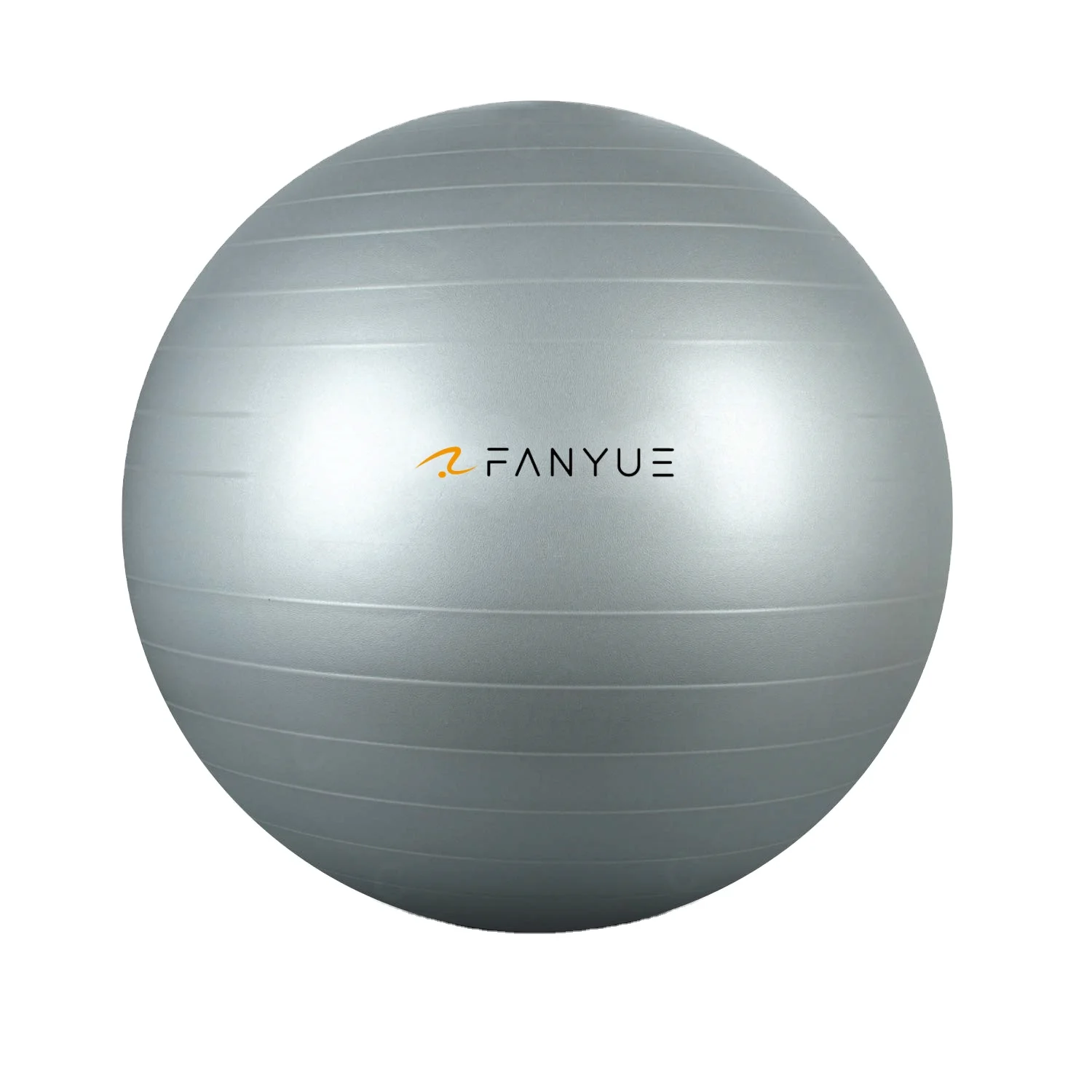
The science behind balance training reveals that our bodies rely on complex neuromuscular systems to maintain equilibrium and postural control. When exercising on unstable surfaces provided by yoga balls, the nervous system must rapidly process sensory information from multiple sources including the visual, vestibular, and proprioceptive systems. This constant challenge stimulates adaptations that translate into improved balance performance in daily activities and athletic pursuits.
Neurological Mechanisms Behind Balance Enhancement
Proprioceptive System Activation
The proprioceptive system, often called the body's sixth sense, plays a crucial role in spatial awareness and joint positioning. When training with yoga balls, the unstable surface continuously challenges proprioceptors located in muscles, tendons, and joints throughout the body. These specialized receptors send rapid feedback to the central nervous system about body position and movement, creating enhanced body awareness that extends far beyond the exercise session.
Research demonstrates that regular unstable surface training significantly improves proprioceptive acuity, leading to better movement quality and reduced injury risk. The dynamic nature of yoga ball exercises forces the body to make micro-adjustments constantly, strengthening the neural pathways responsible for balance and coordination. This enhanced proprioceptive function becomes particularly valuable for athletes, older adults, and individuals recovering from injuries.
Motor Learning and Adaptation
The motor learning process involved in yoga ball training creates lasting improvements in balance and coordination through neuroplasticity. When the brain encounters the challenge of maintaining stability on an unstable surface, it develops new neural connections and refines existing motor programs. This adaptation process occurs through repeated exposure to balance challenges, gradually improving the efficiency and effectiveness of postural control responses.
The unpredictable nature of yoga ball movements stimulates the development of anticipatory postural adjustments, which are automatic muscle contractions that occur before voluntary movements. These preparatory responses become more refined with practice, leading to improved balance reactions in various situations. The transfer of these skills from controlled exercise environments to real-world activities represents one of the most valuable benefits of yoga ball training.
Core Strength Development Through Instability Training
Deep Stabilizing Muscle Activation
Traditional floor exercises often fail to adequately challenge the deep stabilizing muscles that form the foundation of core strength. Yoga balls create an environment where these muscles must work continuously to maintain proper positioning and control. The transverse abdominis, multifidus, pelvic floor muscles, and diaphragm all contribute to this deep stabilization, creating a natural corset effect that supports the spine and pelvis.
Electromyographic studies reveal significantly higher activation levels in deep core muscles during yoga ball exercises compared to stable surface alternatives. This increased activation occurs because the body must generate internal stability when external support is removed. The result is comprehensive core strengthening that addresses both the deep stabilizers and the superficial muscles responsible for movement and power generation.
Functional Movement Pattern Integration
Core strength developed through yoga ball training differs fundamentally from isolated muscle strengthening because it occurs within the context of functional movement patterns. The unstable environment requires coordinated activation of multiple muscle groups, mimicking the demands of real-world activities. This integration of stability and mobility creates core strength that translates directly to improved performance in sports, occupational tasks, and daily living activities.
The three-dimensional nature of yoga ball exercises challenges the core in multiple planes of motion simultaneously. Unlike linear exercises that work in single planes, yoga ball training develops rotational stability, anti-extension strength, and lateral stabilization capacity. This comprehensive approach to core development addresses the complex demands placed on the trunk during dynamic activities, creating more robust and functional core strength.
Progressive Training Methodologies
Beginner-Level Balance Challenges
Individuals new to yoga ball training should begin with basic stability challenges that establish fundamental balance skills while building confidence. Simple seated balance exercises provide an excellent starting point, allowing users to experience the unstable environment while maintaining a low center of gravity. Progressive challenges can include lifting one foot, performing arm movements, or adding gentle bouncing motions while maintaining seated position.
Static holding exercises represent another fundamental category of beginner training. Planks, bridges, and modified push-up positions on the yoga ball introduce core strengthening elements while maintaining manageable balance challenges. These exercises allow individuals to develop the foundational strength and coordination necessary for more advanced movements while establishing proper movement mechanics and safety awareness.
Advanced Integration Techniques
Advanced practitioners can incorporate complex movement patterns that challenge multiple systems simultaneously. Dynamic exercises such as yoga ball roll-outs, pike variations, and single-limb movements create intense stability demands while building functional strength. These movements require high levels of coordination, strength, and proprioceptive awareness, making them excellent tools for athletes and fitness enthusiasts seeking maximum challenge.
Plyometric exercises performed on yoga balls represent the pinnacle of balance and core training integration. Explosive movements such as medicine ball throws, jump training, and reactive exercises create powerful adaptations in neuromuscular control and core stability. These advanced techniques should only be attempted after establishing solid foundational skills and require careful progression to ensure safety and effectiveness.
Therapeutic Applications and Rehabilitation Benefits
Injury Prevention Strategies
The injury prevention benefits of yoga ball training extend throughout the kinetic chain, addressing common dysfunction patterns that contribute to musculoskeletal injuries. Improved core stability reduces excessive loading on the spine during lifting and twisting activities, while enhanced proprioception decreases the likelihood of ankle sprains and knee injuries. The comprehensive nature of yoga ball training addresses multiple risk factors simultaneously, making it an efficient injury prevention strategy.
Research consistently demonstrates reduced injury rates among individuals who incorporate balance and core training into their exercise programs. The functional strength and stability developed through yoga ball training create protective adaptations that help the body handle unexpected perturbations and movement demands. This protective effect proves particularly valuable for athletes participating in sports with high injury risks and older adults concerned about fall prevention.
Rehabilitation and Recovery Applications
Physical therapists and rehabilitation professionals frequently incorporate yoga balls into treatment programs for various conditions including low back pain, balance disorders, and post-surgical recovery. The adjustable challenge level allows practitioners to match exercise demands to individual capabilities while providing objective progression markers. Patients can begin with minimal challenges and gradually advance to more demanding exercises as their capabilities improve.
The proprioceptive training benefits of yoga ball exercises prove particularly valuable for individuals recovering from lower extremity injuries. Ankle sprains, knee surgeries, and hip replacements often result in proprioceptive deficits that increase re-injury risk. Yoga ball training helps restore normal sensorimotor function while rebuilding confidence in movement capabilities, creating comprehensive recovery that addresses both physical and psychological aspects of rehabilitation.
Scientific Evidence and Research Findings
Balance Improvement Studies
Extensive research demonstrates the effectiveness of yoga ball training for balance improvement across diverse populations. Studies involving older adults show significant improvements in static and dynamic balance measures following structured yoga ball training programs. These improvements translate into reduced fall risk and enhanced confidence during daily activities, highlighting the practical significance of balance training adaptations.
Athletic populations also demonstrate measurable balance improvements following yoga ball training interventions. Research involving soccer players, gymnasts, and other athletes reveals enhanced postural control and proprioceptive function that correlates with improved sport-specific performance. The transfer of balance skills from training environments to competitive situations underscores the functional relevance of yoga ball exercises for athletic development.
Core Strength Assessment Data
Objective measurements of core strength consistently show superior outcomes when yoga ball exercises are included in training programs compared to traditional floor-based alternatives. Electromyographic analysis reveals higher activation levels in key stabilizing muscles, while functional movement assessments demonstrate improved quality and efficiency of movement patterns. These findings support the inclusion of yoga ball training in comprehensive fitness and rehabilitation programs.
Longitudinal studies tracking core strength development over extended periods reveal that yoga ball training creates sustained improvements that persist beyond the active training phase. This suggests that the neuromuscular adaptations induced by unstable surface training create lasting changes in movement quality and stability function. The durability of these improvements makes yoga ball training a valuable long-term investment in physical fitness and injury prevention.
FAQ
How often should I use yoga balls for balance and core training
For optimal results, incorporate yoga ball exercises into your routine 2-3 times per week, allowing adequate recovery between sessions. Beginners should start with 15-20 minute sessions and gradually progress to longer durations as strength and coordination improve. Consistency proves more important than intensity, so maintaining regular practice yields better results than sporadic intensive sessions.
What size yoga ball should I choose for balance training
Proper yoga ball sizing depends on your height and intended use. When sitting on the ball, your hips and knees should form 90-degree angles with feet flat on the floor. Generally, individuals under 5'4" should use 55cm balls, those between 5'4" and 5'11" need 65cm balls, and people over 5'11" require 75cm balls. Slightly under-inflated balls provide easier balance challenges for beginners.
Can yoga ball training replace traditional core exercises
While yoga ball exercises provide excellent core strengthening benefits, they work best as part of a comprehensive training program rather than a complete replacement for traditional exercises. The unstable environment emphasizes stabilization and endurance, while traditional exercises may better target specific muscle groups for strength and hypertrophy. Combining both approaches creates the most well-rounded core development program.
Are there any safety considerations when using yoga balls for fitness
Safety considerations include ensuring adequate space around the exercise area, using anti-burst quality balls rated for your body weight, and progressing gradually from basic to advanced exercises. Always inspect the ball for wear or damage before use, maintain proper inflation levels, and avoid exercising near sharp objects or rough surfaces. Beginners should consider working with qualified instructors to learn proper techniques and safety protocols.