 EN
EN


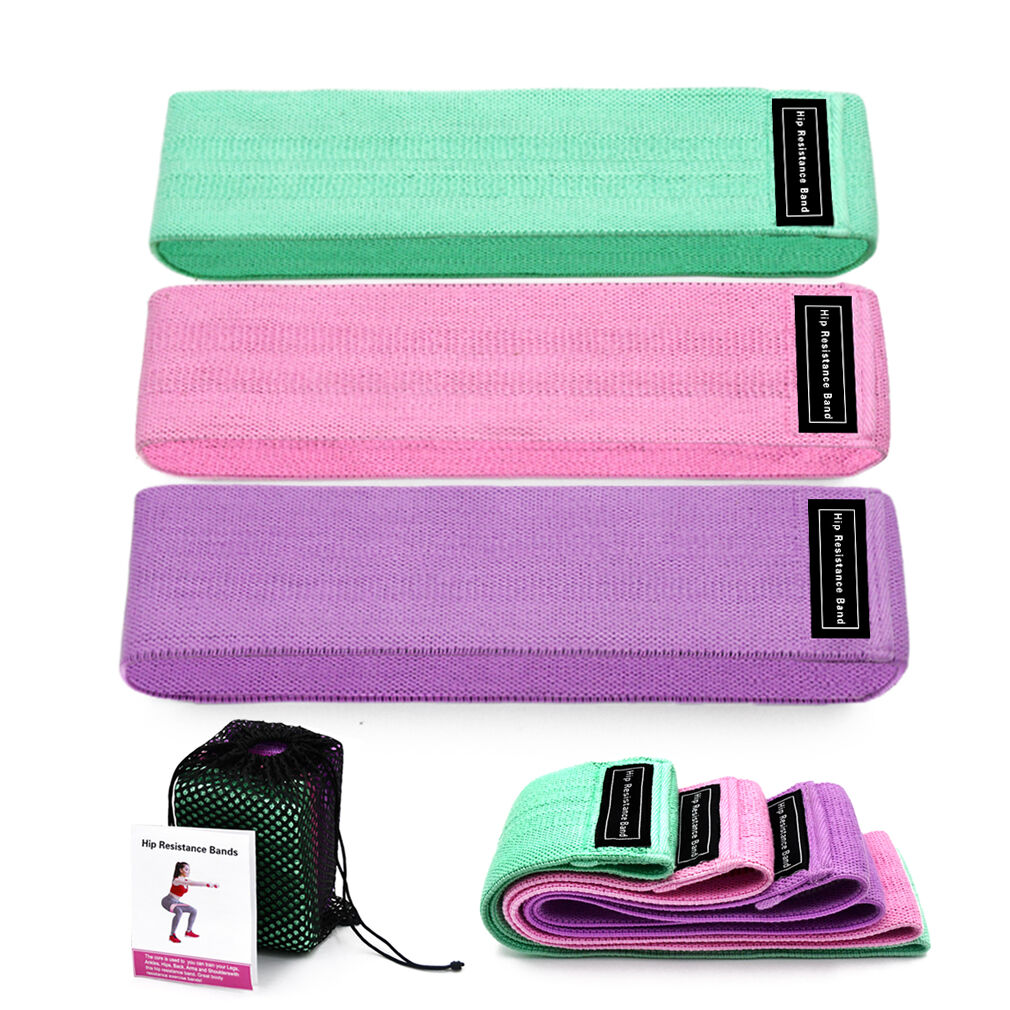
Selecting the right hip bands for your fitness journey requires careful consideration of your experience level, training goals, and physical capabilities. Hip bands have revolutionized lower body workouts by providing targeted resistance that activates glute muscles, improves hip stability, and enhances overall performance across various fitness activities. Whether you're a complete beginner just starting your fitness journey or an advanced athlete looking to intensify your training regimen, understanding the different types and resistance levels of hip bands is crucial for making an informed purchase decision.
The fitness equipment market offers numerous variations of hip bands, each designed to accommodate specific training needs and experience levels. From light resistance loops perfect for rehabilitation exercises to heavy-duty bands capable of challenging professional athletes, the selection process involves evaluating multiple factors including material quality, resistance levels, durability, and intended use cases. Making the wrong choice can lead to ineffective workouts, potential injuries, or premature equipment failure, making it essential to understand the nuances of hip band selection.
Understanding Hip Band Fundamentals for Smart Selection
Material Construction and Durability Considerations
The foundation of any quality hip band lies in its material construction, which directly impacts both performance and longevity. Premium hip bands typically utilize high-grade latex or fabric-covered options that provide consistent resistance while maintaining elasticity over extended use periods. Latex bands offer superior stretch properties and resistance consistency, making them ideal for users who prioritize performance and are comfortable with direct skin contact during workouts.
Fabric-covered hip bands present an excellent alternative for users with latex sensitivities or those who prefer enhanced comfort during extended training sessions. These bands incorporate a textile outer layer that prevents rolling, pinching, and sliding, while maintaining the necessary resistance properties for effective muscle activation. The fabric construction also provides better grip against clothing and skin, reducing the need for constant readjustment during dynamic movements.
Resistance Level Classifications and Applications
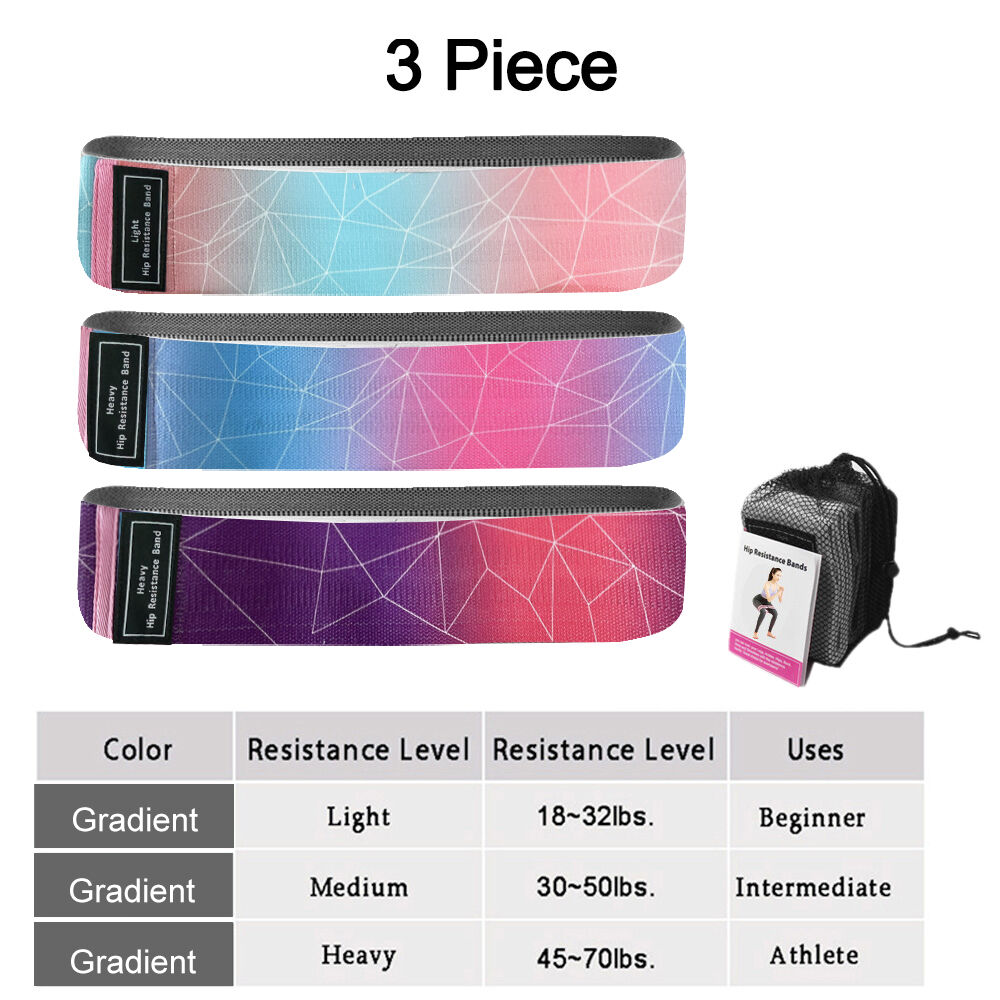
Hip bands are typically categorized into light, medium, and heavy resistance levels, each serving specific purposes within a comprehensive training program. Light resistance bands work exceptionally well for beginners, rehabilitation exercises, activation warm-ups, and high-repetition endurance training. These bands provide enough resistance to engage target muscles without overwhelming users who are still developing proper movement patterns and building foundational strength.
Medium resistance hip bands bridge the gap between beginner and advanced training, offering versatility for users who have developed basic strength and movement competency. These bands challenge muscles more significantly while still allowing for proper form maintenance across various exercises. Heavy resistance options cater to advanced users who require substantial challenge to continue making strength and muscle development progress.
Beginner-Level Hip Band Selection Strategy
Starting Point Considerations for New Users
Beginners should prioritize comfort, ease of use, and gradual progression when selecting their first set of hip bands. Starting with light to medium resistance levels allows new users to focus on learning proper exercise techniques without being overwhelmed by excessive resistance that could compromise form or lead to injury. The initial selection should emphasize bands that provide clear feedback about muscle engagement while remaining manageable throughout complete workout sessions.
New users benefit significantly from purchasing multi-resistance sets that include light, medium, and potentially heavy options. This approach provides room for progression without requiring additional purchases as strength and technique improve. Many beginners underestimate their progression rate and find themselves quickly outgrowing single-resistance options, making comprehensive sets a cost-effective long-term investment.
Safety and Comfort Features for Novice Users
Comfort features become particularly important for beginners who may experience initial discomfort as their bodies adapt to resistance training. Wide band designs distribute pressure more evenly across contact areas, reducing the likelihood of pinching or discomfort during exercises. Non-slip surfaces or fabric coverings prevent bands from rolling or sliding during use, allowing beginners to focus on movement quality rather than equipment management.
Safety considerations for novice users include selecting bands with clear resistance markings or color coding systems that prevent confusion during workout progression. Bands with reinforced stitching or manufacturing quality indicators provide additional assurance that equipment will perform reliably as users develop confidence and increase training intensity.
Intermediate User Hip Band Requirements
Progression and Versatility Needs
Intermediate users typically require hip bands that can accommodate their developed strength levels while providing room for continued progression. At this experience level, users have established proper movement patterns and can handle more challenging resistance levels without compromising exercise form. The focus shifts toward finding bands that offer versatility across multiple exercise types and can integrate seamlessly into more complex workout routines.
Intermediate users often benefit from bands that feature multiple resistance options within a single product, such as stackable designs or variable resistance systems. These features allow for exercise-specific resistance adjustments and enable more sophisticated training programs that target different muscle groups with appropriate challenge levels. The ability to modify resistance mid-workout becomes increasingly valuable as users develop more nuanced training preferences.
Training Integration and Workout Complexity
As users progress beyond basic exercises, their hip bands must accommodate more dynamic and complex movement patterns. Intermediate users frequently incorporate bands into multi-planar movements, compound exercises, and sport-specific training routines that demand consistent performance across varied positions and angles. Bands selected for this level should maintain resistance properties throughout full range-of-motion exercises and resist degradation under more frequent use.
The integration of hip bands into existing workout routines requires compatibility with other equipment and exercise modalities. Intermediate users should consider bands that work effectively in combination with weights, stability tools, and functional movement patterns that characterize more advanced training approaches.
Advanced User Hip Band Selection Criteria
High-Performance Specifications and Durability
Advanced users place significant demands on their hip bands through frequent use, high-intensity training, and complex exercise variations that test equipment limits. At this level, band selection must prioritize durability, consistent performance under stress, and resistance to wear from regular use. Premium materials and construction methods become essential investments rather than optional upgrades, as equipment failure during training can disrupt program consistency and potentially cause injury.
Professional-grade hip bands for advanced users often feature reinforced construction, premium latex or fabric materials, and design elements that maintain performance characteristics over extended periods. These bands should demonstrate minimal stretch degradation, resistance to snapping under load, and consistent performance across temperature variations that might occur in different training environments.
Specialized Applications and Training Goals
Advanced users frequently pursue specific training goals that require specialized band characteristics, such as athletic performance enhancement, powerlifting accessory work, or rehabilitation from previous injuries. Hip bands for this population must accommodate high-load exercises, explosive movements, and training volumes that exceed typical recreational use patterns. The selection process should account for specific sport requirements, training periodization needs, and integration with other high-level training tools.
Competition preparation and peak performance training place unique demands on hip bands that recreational equipment may not meet. Advanced users benefit from bands that provide precise resistance feedback, maintain consistent properties under varying conditions, and support the training intensities necessary for continued improvement at high performance levels.
Size and Fit Considerations Across Experience Levels
Anatomical Compatibility and Sizing Options
Proper fit significantly impacts both exercise effectiveness and user comfort across all experience levels. Hip bands must accommodate various body sizes, leg circumferences, and anatomical proportions while maintaining appropriate resistance characteristics. Manufacturers typically offer multiple size options, but understanding how sizing affects resistance and comfort helps users make optimal selections for their specific needs.
Band circumference directly influences resistance levels, as smaller bands provide higher resistance at any given stretch length compared to larger options. Users with larger leg circumferences may find that standard bands provide less resistance than intended, requiring either larger sizes or higher resistance ratings to achieve desired training effects. Conversely, smaller users might experience excessive resistance from standard sizing and benefit from smaller or lighter options.
Adjustability and Customization Features
Adjustable hip bands offer advantages for users who value customization and precise resistance control. These systems typically feature buckles, loops, or other mechanisms that allow length modifications to accommodate different exercises and user preferences. Adjustable systems prove particularly valuable for households with multiple users or individuals who want maximum versatility from their equipment investment.
Some hip bands incorporate multiple loop positions or adjustable anchor points that enable exercise-specific positioning and resistance modification. These features allow users to optimize band placement for different muscle groups and movement patterns, enhancing exercise effectiveness and reducing the need for multiple band purchases.
Budget and Value Assessment Guidelines
Cost-Effectiveness Across Price Ranges
Hip bands are available across wide price ranges, from budget-friendly options under ten dollars to premium professional-grade sets costing significantly more. Understanding the relationship between price and performance helps buyers make informed decisions that balance cost considerations with quality and longevity requirements. Budget options can provide adequate performance for beginners or casual users, while serious enthusiasts and professionals typically benefit from investing in higher-quality alternatives.
Value assessment should consider cost per use over the expected equipment lifespan rather than focusing solely on initial purchase price. Premium hip bands that maintain performance characteristics over years of regular use often prove more economical than cheaper alternatives that require frequent replacement due to degradation or failure.
Long-Term Investment Considerations
Serious fitness enthusiasts should view hip bands as long-term training investments that will accompany their fitness journeys for years. This perspective justifies allocating appropriate budget resources toward quality options that can accommodate progression, maintain performance standards, and provide consistent training support throughout changing fitness goals and experience levels.
The versatility of quality hip bands extends their value beyond single-purpose use, as they can serve multiple roles within comprehensive fitness programs. Bands selected with future needs in mind prevent the need for multiple purchases and ensure training continuity as users advance through different experience levels and training phases.
FAQ
How do I determine the right resistance level for my current fitness experience
The appropriate resistance level depends on your current strength, exercise experience, and training goals. Beginners should start with light resistance that allows 15-20 repetitions with proper form, while intermediate users can handle moderate resistance for 10-15 reps. Advanced users typically require heavy resistance that challenges them within 8-12 repetitions. Consider purchasing a set with multiple resistance levels to accommodate progression and different exercise requirements.
What material should I choose between latex and fabric-covered hip bands
Latex bands offer superior elasticity and durability but may cause skin irritation for sensitive users. Fabric-covered options provide enhanced comfort, better grip, and reduced rolling or pinching, making them ideal for longer workout sessions. If you have latex allergies or prefer maximum comfort, choose fabric-covered bands. For performance-focused training where resistance consistency is paramount, latex bands typically offer superior properties.
How often should I replace my hip bands and what are signs of wear
Quality hip bands typically last 12-18 months with regular use, though professional-grade options may last longer. Replace bands when you notice decreased resistance, visible cracks, thinning areas, or loss of elasticity. Signs of imminent failure include difficulty returning to original shape after stretching, permanent deformation, or visible damage to fabric covering. Regular inspection before use helps prevent unexpected failure during workouts.
Can the same hip bands work for different family members with varying fitness levels
Multi-resistance sets can accommodate different family members and fitness levels effectively. Choose sets with light, medium, and heavy options to serve beginners through advanced users. Adjustable bands or multiple size options provide additional versatility for households with varying body sizes. Consider fabric-covered options for shared use, as they're more hygienic and comfortable for multiple users compared to direct-contact latex alternatives.
Table of Contents
- Understanding Hip Band Fundamentals for Smart Selection
- Beginner-Level Hip Band Selection Strategy
- Intermediate User Hip Band Requirements
- Advanced User Hip Band Selection Criteria
- Size and Fit Considerations Across Experience Levels
- Budget and Value Assessment Guidelines
-
FAQ
- How do I determine the right resistance level for my current fitness experience
- What material should I choose between latex and fabric-covered hip bands
- How often should I replace my hip bands and what are signs of wear
- Can the same hip bands work for different family members with varying fitness levels