 EN
EN


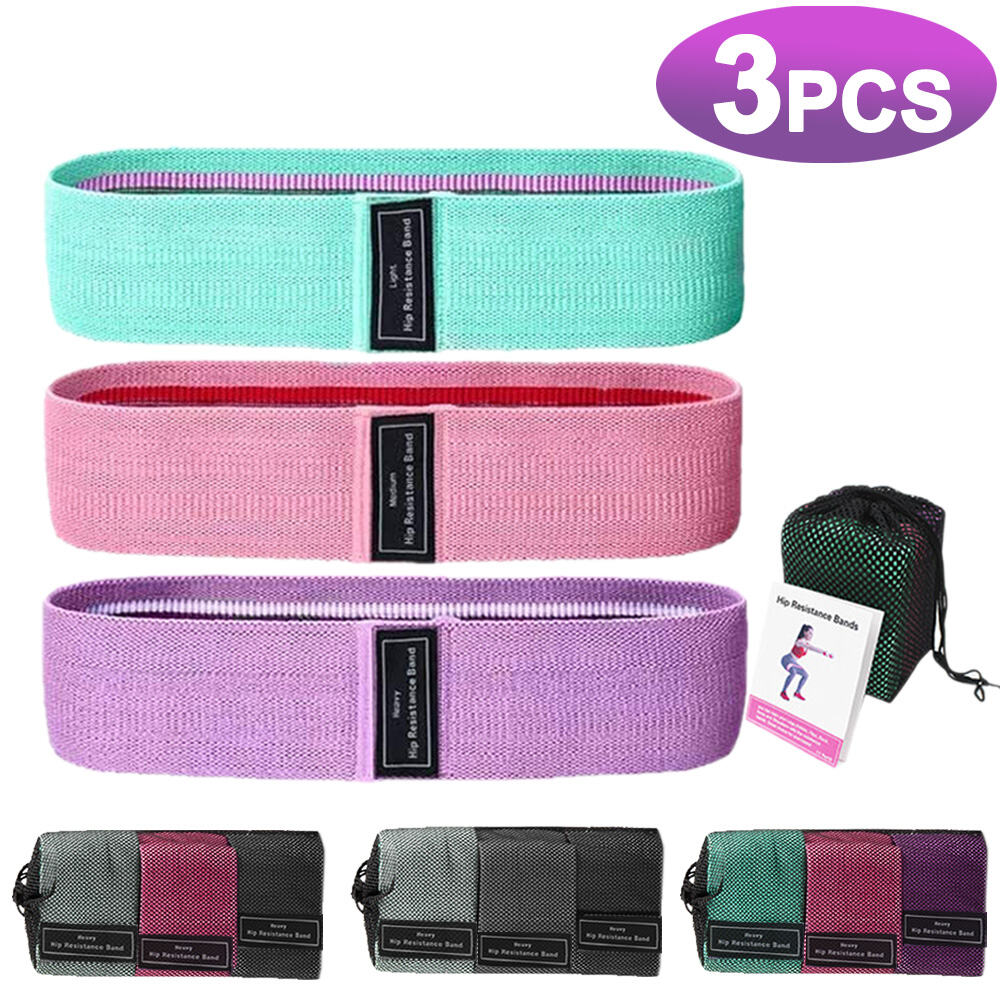
Hip bands have revolutionized the fitness industry by providing an accessible and effective way to target glute muscles and enhance lower body strength. These versatile resistance tools have gained tremendous popularity among fitness enthusiasts, athletes, and rehabilitation specialists worldwide. Hip bands offer a unique combination of convenience, effectiveness, and affordability that makes them an essential component of modern workout routines. Whether you're a beginner looking to activate dormant glutes or an advanced athlete seeking to enhance performance, hip bands deliver exceptional results across all fitness levels.
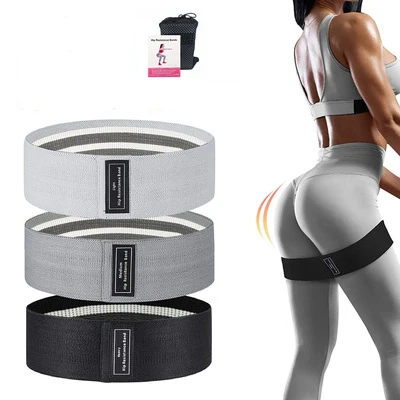
Understanding Hip Band Mechanics and Benefits
The Science Behind Resistance Training with Hip Bands
Hip bands work by providing variable resistance that increases as the band stretches, creating a unique muscle activation pattern that differs from traditional weights. This elastic resistance challenges muscles throughout the entire range of motion, promoting better muscle engagement and neuromuscular control. The constant tension provided by hip bands forces stabilizer muscles to work continuously, resulting in improved coordination and functional strength. Research demonstrates that resistance band exercises can activate glute muscles more effectively than bodyweight exercises alone, making hip bands an invaluable tool for targeted muscle development.
The biomechanical advantages of hip bands extend beyond simple resistance provision. These tools encourage proper movement patterns by providing tactile feedback that helps users maintain correct form during exercises. The resistance direction can be easily modified to target different muscle groups and movement planes, allowing for comprehensive lower body training. Hip bands also promote joint stability by strengthening the smaller stabilizing muscles that support proper hip and knee alignment during dynamic movements.
Muscle Activation Patterns and Glute Development
Hip bands excel at activating the gluteus medius and gluteus minimus, muscles that are often neglected in traditional strength training routines. These muscles play crucial roles in hip stability, lateral movement control, and injury prevention. The lateral resistance provided by hip bands during exercises like clamshells, lateral walks, and monster walks specifically targets these important stabilizing muscles. Studies show that hip bands can increase glute activation by up to 40% compared to exercises performed without resistance.
The gluteus maximus, the largest muscle in the human body, also benefits significantly from hip band training. Exercises incorporating hip bands challenge this powerful muscle through multiple planes of motion, promoting balanced development and functional strength. The variable resistance of hip bands ensures that muscles work harder at their strongest points while still maintaining tension at weaker positions, leading to more complete muscle development and improved strength curves.
Exercise Versatility and Training Applications
Lower Body Strengthening and Sculpting
Hip bands offer endless possibilities for lower body exercises that target multiple muscle groups simultaneously. Classic exercises like squats, lunges, and deadlifts become significantly more challenging and effective when performed with hip bands. The added resistance forces muscles to work harder while promoting proper movement mechanics and joint stability. These modifications help break through strength plateaus and add variety to workout routines without requiring additional equipment or gym space.
The versatility of hip bands allows for progressive overload through multiple methods including increased resistance levels, extended time under tension, and complex movement patterns. Advanced practitioners can combine multiple bands or use different resistance levels to create customized training protocols. The ability to perform both isolation and compound movements with hip bands makes them suitable for comprehensive lower body development programs targeting strength, endurance, and muscle definition.
Activation and Warm-Up Protocols
Hip bands serve as excellent tools for pre-workout activation sequences that prepare muscles for more intensive training. Activation exercises using hip bands help establish proper neuromuscular connections and improve muscle recruitment patterns before engaging in heavier lifting or athletic activities. These preparatory movements enhance performance while reducing injury risk by ensuring that stabilizing muscles are properly engaged and coordinated.
The low-impact nature of hip band exercises makes them ideal for warm-up routines that gradually increase muscle temperature and joint mobility. Dynamic movements performed with hip bands promote blood flow to target muscles while maintaining joint range of motion. This preparation is particularly beneficial for athletes and individuals who spend long periods sitting, as hip bands can quickly reactivate dormant glute muscles and restore proper hip function.
Convenience and Accessibility Factors
Portability and Home Workout Solutions
The compact and lightweight design of hip bands makes them perfect for home workouts, travel fitness routines, and outdoor training sessions. Unlike bulky gym equipment, hip bands can be easily stored in small spaces and transported anywhere without inconvenience. This portability factor has contributed significantly to their popularity, especially during periods when gym access may be limited or when individuals prefer exercising at home.
Home fitness enthusiasts appreciate how hip bands can transform any space into an effective workout area. The minimal floor space required for hip band exercises makes them suitable for apartments, hotel rooms, and small living spaces. This accessibility has democratized fitness by removing barriers that might prevent people from maintaining consistent exercise routines. The effectiveness of hip bands in small spaces has made them essential tools for busy professionals and parents who need efficient workout solutions.
Cost-Effectiveness and Long-Term Value
Hip bands represent exceptional value in fitness equipment, offering professional-level training benefits at a fraction of the cost of traditional gym equipment or memberships. High-quality hip bands can provide years of reliable service with proper care, making them one of the most cost-effective fitness investments available. The durability of modern materials used in hip band construction ensures consistent resistance and performance over extended use periods.
The economic advantages extend beyond the initial purchase price, as hip bands eliminate ongoing costs associated with gym memberships or personal training sessions. Users can access countless exercise variations and training programs using hip bands, providing unlimited workout diversity without additional expenses. This long-term value proposition has made hip bands attractive to budget-conscious fitness enthusiasts who want professional results without ongoing financial commitments.
Rehabilitation and Injury Prevention Applications
Physical Therapy and Recovery Protocols
Hip bands play crucial roles in rehabilitation settings where controlled resistance and progressive loading are essential for recovery. Physical therapists frequently incorporate hip bands into treatment protocols for various conditions including hip dysplasia, IT band syndrome, and post-surgical rehabilitation. The adjustable resistance levels and gentle loading characteristics of hip bands make them ideal for patients recovering from injuries or surgical procedures.
The controlled resistance provided by hip bands allows for precise exercise prescription and gradual progression throughout recovery phases. Patients can safely perform strengthening exercises without the risk of sudden loading or uncontrolled movements that might compromise healing tissues. The versatility of hip bands enables therapists to target specific muscle groups while avoiding aggravation of injured areas, making them invaluable tools in comprehensive rehabilitation programs.
Injury Prevention and Movement Quality
Regular use of hip bands in training routines significantly reduces injury risk by strengthening stabilizing muscles and improving movement patterns. The enhanced glute activation achieved through hip band exercises helps prevent common injuries such as ACL tears, ankle sprains, and lower back pain. Strong, properly functioning glute muscles provide essential support for the entire kinetic chain, reducing stress on vulnerable joints and tissues during athletic activities.
Hip bands promote better movement quality by teaching proper muscle sequencing and joint alignment during functional movements. The tactile feedback provided by bands helps users develop kinesthetic awareness and maintain correct form during exercises. This improved body awareness transfers to daily activities and sports performance, reducing the likelihood of movement-related injuries and enhancing overall functional capacity.
Advanced Training Techniques and Progressions
Progressive Overload Strategies
Advanced athletes and fitness enthusiasts can utilize hip bands to implement sophisticated progressive overload strategies that continue challenging muscles as strength improves. Multiple resistance levels within hip band sets allow for systematic progression from beginner to advanced training intensities. Combining different resistance bands or using pre-stretching techniques can further increase challenge levels without requiring additional equipment purchases.
Time-based progressions using hip bands include increasing exercise duration, adding pause repetitions, and implementing tempo manipulations that enhance training stimulus. Advanced practitioners often incorporate plyometric movements and explosive exercises using hip bands to develop power and athletic performance. These progression strategies ensure that hip bands remain effective training tools throughout all stages of fitness development, from rehabilitation to elite athletic performance.
Integration with Other Training Modalities
Hip bands integrate seamlessly with various training methodologies including strength training, yoga, pilates, and functional movement systems. This versatility allows trainers and athletes to incorporate hip bands into existing programs without major modifications or disruptions. The compatibility of hip bands with other equipment such as stability balls, suspension trainers, and free weights creates endless possibilities for innovative exercise combinations.
Cross-training applications of hip bands enhance athletic performance across multiple disciplines by addressing common weaknesses and imbalances. Runners use hip bands to strengthen lateral stabilizers and prevent IT band issues, while weightlifters incorporate them for glute activation and injury prevention. The universal applicability of hip bands across different training styles has contributed to their widespread adoption in fitness communities worldwide.
Frequently Asked Questions
How often should I use hip bands for optimal results
For optimal glute activation and strengthening results, hip bands should be used 3-4 times per week as part of a comprehensive training program. Beginners can start with 2-3 sessions weekly, focusing on proper form and gradually increasing intensity. Advanced users may incorporate hip bands daily for activation purposes or use them in structured workout routines every other day. Consistency is more important than frequency, so establishing a sustainable routine that fits your schedule will yield better long-term results than sporadic intensive sessions.
What resistance level should beginners choose for hip bands
Beginners should start with light to medium resistance hip bands that allow for proper form while still providing noticeable challenge. Most hip band sets include multiple resistance levels, enabling progression as strength improves. The appropriate resistance should allow completion of 12-15 repetitions with good form while feeling challenging during the final repetitions. Starting too heavy can compromise form and potentially lead to injury, while starting too light may not provide adequate stimulus for muscle development.
Can hip bands replace traditional weight training for glute development
While hip bands are highly effective for glute activation and development, they work best when combined with traditional weight training rather than completely replacing it. Hip bands excel at targeting stabilizing muscles and providing constant tension, while weights offer progressive overload for maximum strength gains. The ideal approach combines both modalities, using hip bands for activation, warm-up, and accessory work while incorporating weights for primary strength movements. This combination maximizes both muscle activation and strength development for optimal results.
How do I know if my hip bands need replacement
Hip bands should be replaced when they show signs of wear such as thinning material, loss of elasticity, or visible tears and cracks. Quality bands typically maintain their resistance properties for 6-12 months with regular use, though this varies based on usage frequency and care practices. Reduced resistance during exercises or bands that feel loose at normal stretch levels indicate decreased effectiveness. Proper storage away from extreme temperatures and sharp objects, along with regular cleaning, can extend hip band lifespan significantly.