 EN
EN


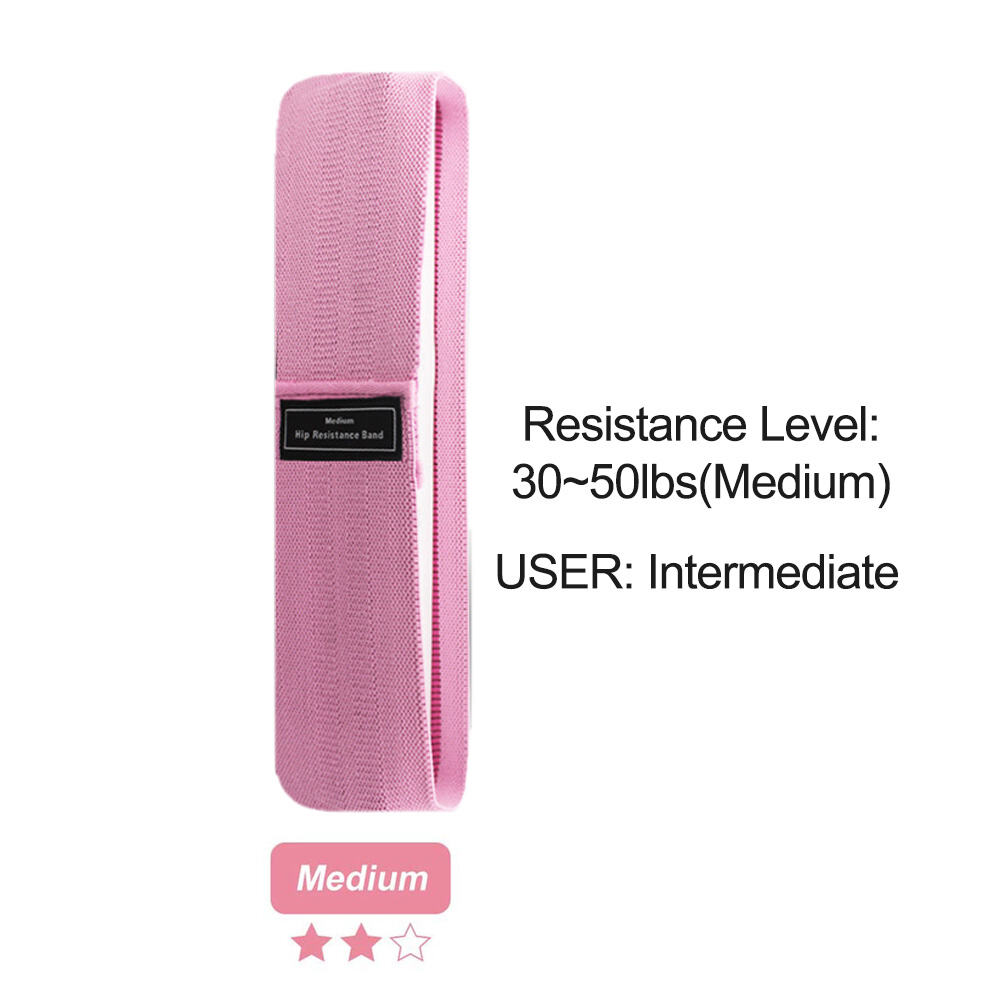
ODM hip band distribution represents a strategic business model that enables fitness brands to leverage manufacturing partnerships while building distinctive market positioning. This approach allows companies to access specialized production capabilities, reduce development costs, and accelerate time-to-market for resistance training products without the substantial investment required for in-house manufacturing infrastructure.
The competitive landscape in the fitness equipment industry has evolved significantly, with brands increasingly recognizing that ODM hip band partnerships offer unique advantages beyond traditional wholesale procurement. Companies that master this distribution strategy gain access to enhanced product differentiation, improved profit margins, and stronger market positioning compared to competitors relying solely on standard retail or private label approaches.
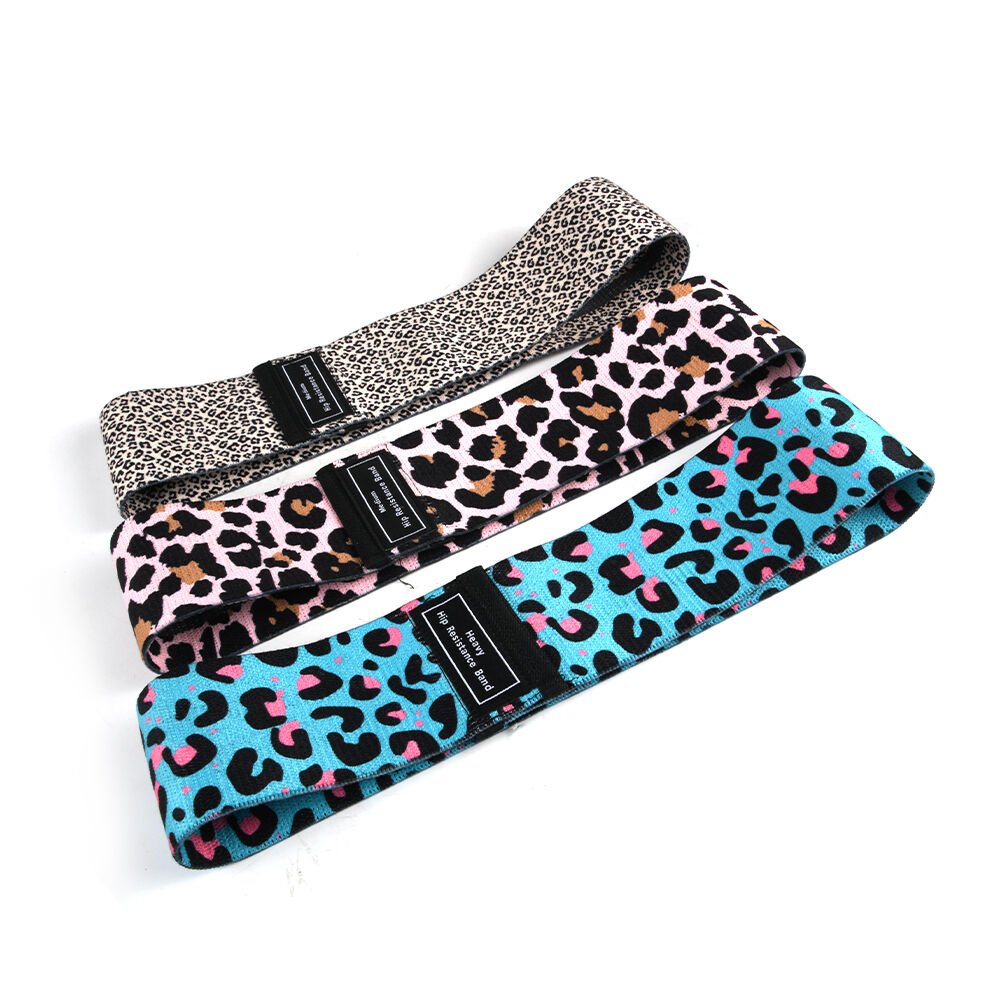
Strategic Market Positioning Through ODM Partnerships
Brand Differentiation Capabilities
ODM hip band arrangements provide brands with exclusive access to customized product specifications that distinguish their offerings from generic alternatives. Manufacturing partners specializing in ODM hip band production work closely with brands to develop unique resistance levels, fabric compositions, and ergonomic designs that align with specific target market preferences. This collaborative development process creates products that cannot be easily replicated by competitors using standard wholesale channels.
The differentiation extends beyond physical product characteristics to include packaging design, color schemes, and accessory combinations that reinforce brand identity. Companies utilizing ODM hip band partnerships can integrate their brand messaging directly into product development, ensuring that every aspect of the final product supports their market positioning strategy rather than competing with identical products offered by other retailers.
Market research indicates that consumers increasingly value unique product features and brand-specific innovations in fitness equipment purchases. ODM hip band distribution enables brands to respond to this demand by offering genuinely distinctive products rather than competing primarily on price with identical alternatives.
Exclusive Market Access
ODM partnerships often include territorial exclusivity agreements that prevent manufacturing partners from selling identical products to competitors within specific geographic markets or customer segments. This exclusivity creates significant competitive barriers and allows brands to establish market leadership positions without immediate direct competition on identical products.
The exclusive access provided through ODM hip band arrangements extends to emerging product technologies and manufacturing innovations. Partner manufacturers frequently offer first access to new materials, production techniques, and design innovations to their ODM clients before making these capabilities available to standard wholesale customers.
Companies leveraging ODM hip band distribution can also secure exclusive access to specific resistance band configurations, fabric technologies, or ergonomic designs that provide measurable performance advantages. This technological exclusivity becomes a sustainable competitive advantage as competitors cannot access identical specifications through alternative suppliers.
Cost Structure Optimization and Profit Enhancement
Reduced Development Investment Requirements
ODM hip band partnerships significantly reduce the capital investment required for product development compared to in-house manufacturing or traditional private label arrangements. Manufacturing partners provide existing research and development capabilities, testing facilities, and design expertise without requiring brands to build these capabilities internally.
The shared development model inherent in ODM hip band relationships allows brands to access advanced manufacturing capabilities and technical expertise at a fraction of the cost required for independent development. This cost efficiency enables smaller brands to compete with larger companies that have substantial internal development resources.
Companies utilizing ODM hip band distribution can redirect capital that would otherwise be invested in manufacturing infrastructure toward marketing, distribution expansion, and customer acquisition activities that directly impact revenue growth and market share expansion.
Improved Profit Margin Structure
ODM hip band arrangements typically provide better profit margins compared to traditional wholesale distribution models because brands avoid intermediary markups and gain direct access to manufacturing costs. The elimination of distributor margins and wholesale markups allows companies to either increase their profit margins or offer more competitive pricing while maintaining profitability.
The cost transparency provided in ODM hip band partnerships enables brands to make informed decisions about product specifications based on actual manufacturing costs rather than estimated wholesale pricing. This visibility allows for strategic optimization of product features to maximize value delivery while controlling production costs.
Volume-based pricing advantages in ODM hip band relationships often provide substantial cost reductions as order quantities increase. Brands can leverage these economies of scale to improve profitability while maintaining competitive pricing in their target markets.
Market Responsiveness and Innovation Acceleration
Rapid Product Development Cycles
ODM hip band partnerships enable significantly faster product development and market introduction timelines compared to traditional manufacturing approaches. Manufacturing partners maintain ready access to materials, production equipment, and technical expertise that allows for rapid prototyping and production scaling.
The collaborative nature of ODM hip band development means that brands can implement design modifications and product improvements without lengthy procurement processes or supplier negotiations. This agility enables companies to respond quickly to market trends, customer feedback, and competitive pressures.
Companies leveraging ODM hip band distribution often achieve time-to-market advantages of several months compared to competitors using traditional development approaches. This speed advantage allows brands to capture market opportunities and establish customer relationships before competitors can respond with similar offerings.
Market Trend Integration
ODM hip band manufacturers typically serve multiple clients across diverse markets, providing them with broad visibility into emerging trends and consumer preferences. This market intelligence benefits ODM partners by enabling them to anticipate trend developments and prepare product innovations before market demand becomes apparent to competitors.
The trend integration capabilities of ODM hip band partnerships allow brands to incorporate popular features, color schemes, and functional improvements into their products without extensive market research investment. Manufacturing partners can provide insights into successful product features from other markets and applications.
Brands working with experienced ODM hip band manufacturers gain access to predictive insights about material innovations, design trends, and functional improvements that may become standard in the industry. This forward-looking perspective enables strategic product planning and competitive positioning.
Supply Chain Resilience and Operational Advantages
Production Capacity Flexibility
ODM hip band arrangements provide brands with flexible production capacity that can scale up or down based on market demand without fixed infrastructure commitments. This flexibility is particularly valuable for companies experiencing seasonal demand variations or rapid growth phases.
The production flexibility inherent in ODM hip band partnerships allows companies to test new markets, product variations, and pricing strategies with minimal risk. Brands can adjust order quantities and production schedules based on actual market performance rather than committing to large inventory positions.
Manufacturing partners specializing in ODM hip band production typically maintain multiple production lines and backup capacity that provides protection against supply disruptions. This redundancy ensures consistent product availability even during peak demand periods or unexpected production challenges.
Quality Control Integration
ODM hip band partnerships often include comprehensive quality control systems that integrate brand-specific requirements into the manufacturing process. This integration ensures consistent product quality while maintaining the flexibility to implement brand-specific quality standards and testing procedures.
The collaborative quality management approach in ODM hip band relationships allows brands to participate directly in quality control processes, providing visibility and control over product quality without maintaining internal quality assurance infrastructure.
Companies utilizing ODM hip band distribution can implement continuous improvement processes in partnership with manufacturers, leading to ongoing quality enhancements and cost optimizations that benefit both parties and strengthen competitive positioning.
FAQ
What minimum order quantities are typically required for ODM hip band partnerships?
ODM hip band manufacturers usually require minimum order quantities ranging from 500 to 5,000 units per design, depending on customization complexity and manufacturing specifications. Higher volume commitments often unlock better pricing, exclusive design rights, and priority production scheduling that enhance competitive advantages.
How long does product development typically take in ODM hip band partnerships?
ODM hip band development timelines typically range from 30 to 90 days from initial concept to production-ready samples, depending on customization requirements and specification complexity. This development speed provides significant time-to-market advantages compared to traditional manufacturing approaches that may require six months or longer.
Can brands maintain intellectual property rights for ODM hip band designs?
Most ODM hip band manufacturers offer intellectual property protection agreements that assign design rights to the contracting brand, preventing the manufacturer from selling identical products to competitors. These agreements typically include territorial exclusivity and design protection terms that strengthen competitive positioning and market differentiation.
What ongoing support do ODM hip band manufacturers provide after initial production?
Established ODM hip band manufacturers typically provide ongoing technical support, quality monitoring, production scaling assistance, and product improvement consultation throughout the partnership relationship. This continuing support includes design optimization recommendations, material upgrades, and production efficiency improvements that maintain competitive advantages over time.
Table of Contents
- Strategic Market Positioning Through ODM Partnerships
- Cost Structure Optimization and Profit Enhancement
- Market Responsiveness and Innovation Acceleration
- Supply Chain Resilience and Operational Advantages
-
FAQ
- What minimum order quantities are typically required for ODM hip band partnerships?
- How long does product development typically take in ODM hip band partnerships?
- Can brands maintain intellectual property rights for ODM hip band designs?
- What ongoing support do ODM hip band manufacturers provide after initial production?