 EN
EN


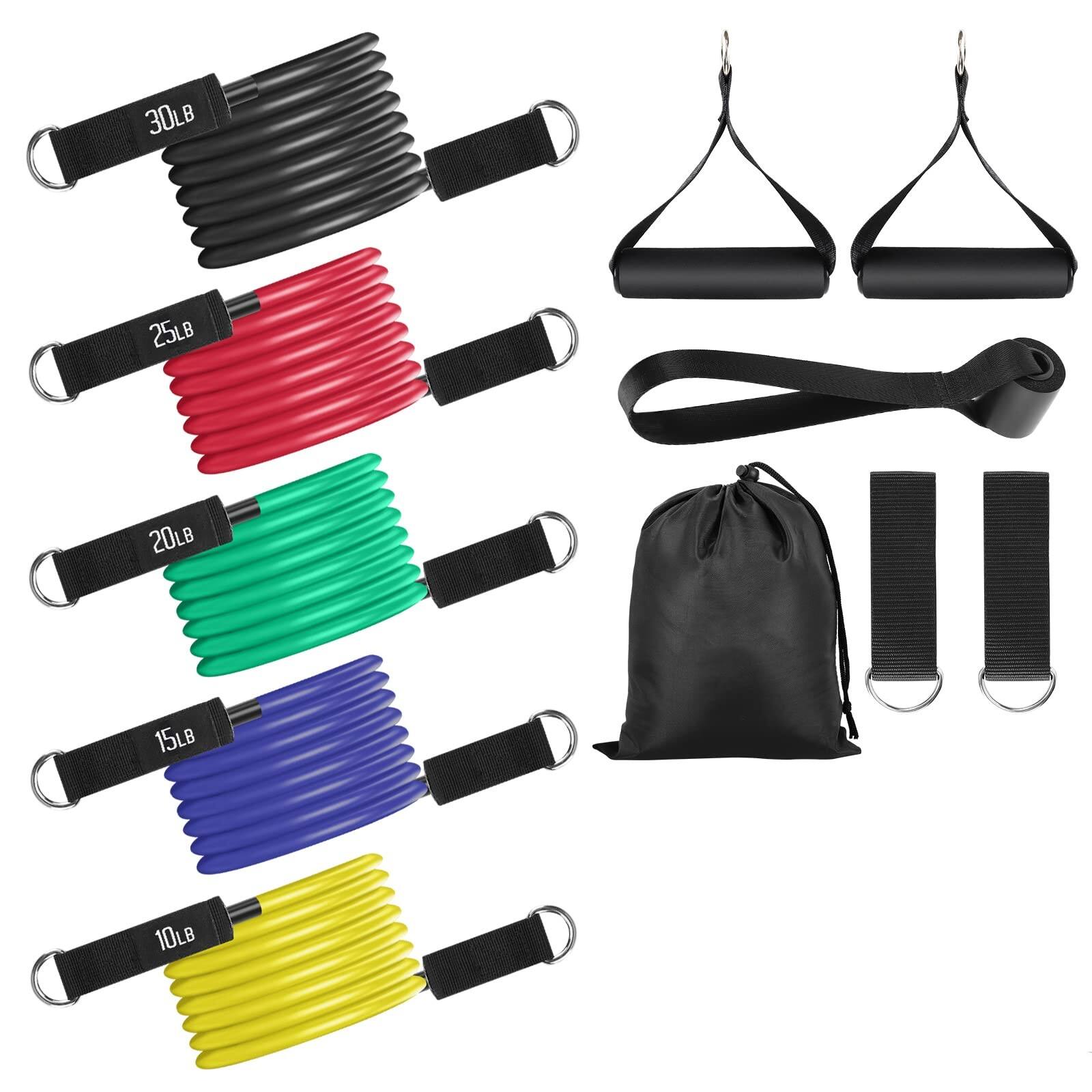
Material quality stands as the fundamental determinant of hip band performance, directly influencing both durability and user comfort during exercise routines. The construction materials used in resistance bands affect everything from tensile strength and elasticity retention to skin comfort and long-term functionality, making material selection a critical factor for manufacturers and consumers alike.
Understanding how different materials impact hip band performance requires examining the specific properties that contribute to durability and comfort. From latex composition and fabric integration to manufacturing processes and quality control measures, each aspect of material selection plays a distinct role in determining whether a hip band will withstand intensive training sessions while maintaining user comfort throughout extended workout periods.
Material Composition and Its Impact on Hip Band Performance
Natural Latex vs Synthetic Alternatives
Natural latex offers superior elasticity and recovery properties compared to synthetic alternatives, making it a preferred choice for high-quality hip bands. The molecular structure of natural latex provides consistent resistance levels and maintains its elasticity even after thousands of stretch cycles, which directly translates to longer product lifespan and more reliable performance during workouts.
Synthetic materials like thermoplastic elastomers (TPE) and synthetic rubber compounds present different performance characteristics. While these materials can be more cost-effective and offer better resistance to certain environmental factors, they often lack the natural resilience and comfort properties that make natural latex superior for prolonged skin contact during exercise sessions.
The choice between natural and synthetic materials significantly affects hip band material quality, particularly in terms of how the band feels against the skin and how well it maintains its resistance properties over time. Natural latex typically provides a smoother, more comfortable surface texture while offering superior grip and non-slip characteristics that enhance workout effectiveness.
Fabric Integration and Comfort Enhancement
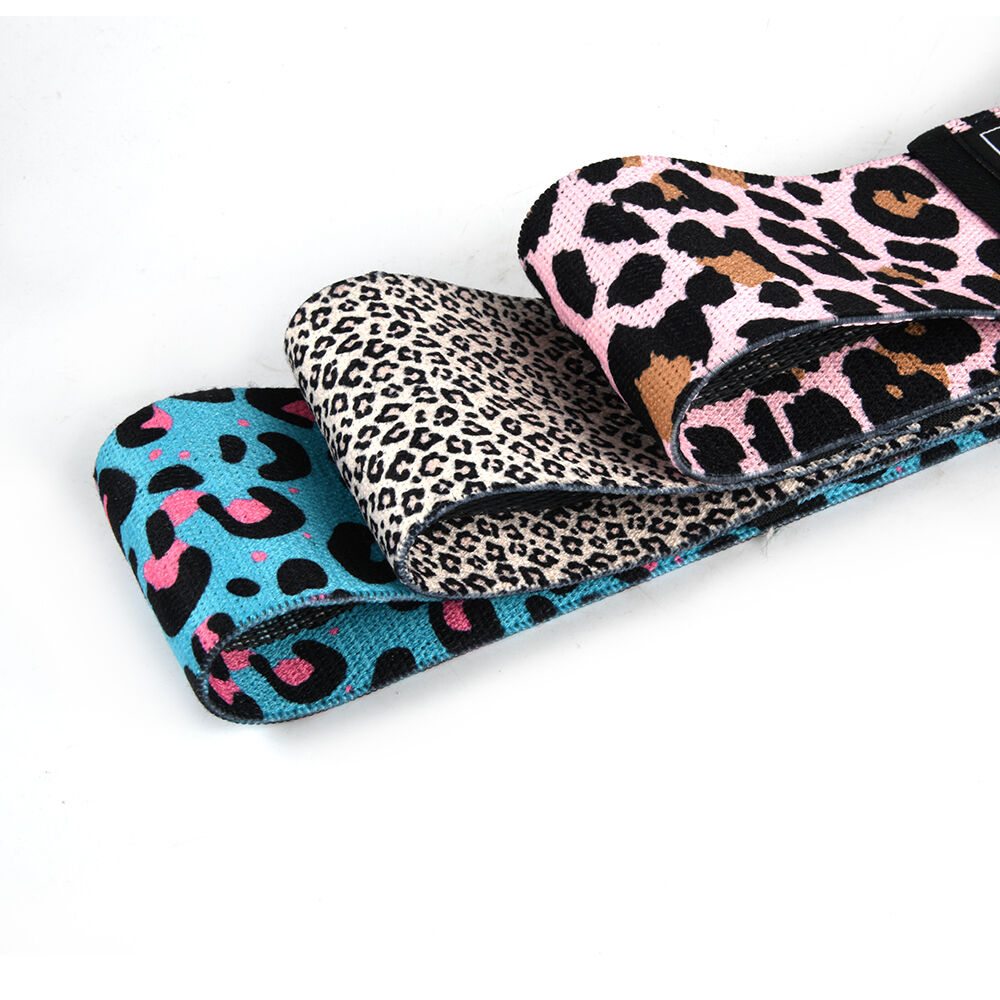
Modern hip bands often incorporate fabric layers or coverings that enhance comfort without compromising the core elastic properties of the underlying material. Cotton-polyester blends and moisture-wicking synthetic fabrics provide a soft interface between the elastic core and the user's skin, reducing friction and preventing the band from rolling or slipping during exercise.
The integration of fabric elements requires careful consideration of adhesion methods and compatibility between materials. High-quality hip bands use specialized bonding techniques that ensure the fabric layer remains securely attached to the elastic core throughout the product's lifespan, preventing delamination or separation that could compromise both durability and comfort.
Fabric selection also influences breathability and hygiene factors, which are crucial for user comfort during intensive training sessions. Materials that allow air circulation and resist bacterial growth contribute significantly to the overall user experience and help maintain the band's cleanliness and odor resistance over time.
Durability Factors Determined by Material Quality
Tensile Strength and Resistance to Wear
The tensile strength of hip band materials determines how much force the band can withstand before failure, making this property essential for long-term durability. High-quality materials maintain their structural integrity even under extreme stretching conditions, ensuring that users can perform demanding exercises without fear of band failure or sudden breakage.
Resistance to wear involves multiple factors including abrasion resistance, cut resistance, and fatigue resistance under repeated stress cycles. Premium hip band material quality incorporates additives and processing techniques that enhance these properties, resulting in bands that maintain their appearance and performance characteristics even after extensive use.
Environmental factors such as UV exposure, temperature fluctuations, and chemical exposure from cleaning products or body oils can gradually degrade inferior materials. High-quality materials include stabilizers and protective compounds that help maintain material properties despite exposure to these potentially damaging factors.
Elastic Memory and Performance Consistency
Elastic memory refers to a material's ability to return to its original shape and size after being stretched, which is crucial for maintaining consistent resistance levels throughout the band's lifespan. Superior materials exhibit excellent elastic memory, ensuring that the band provides the same resistance characteristics whether it's brand new or has been used for months of regular training.
Performance consistency depends on the material's ability to maintain its elastic properties across different temperature ranges and humidity conditions. High-quality hip bands use materials that perform reliably whether used in air-conditioned gyms, heated yoga studios, or outdoor environments with varying weather conditions.
The molecular structure of quality materials includes cross-linking patterns that provide both strength and flexibility, allowing the band to stretch repeatedly without permanent deformation. This hip band material quality characteristic ensures that users receive consistent workout intensity and progressive overload potential throughout the product's useful life.
Comfort Characteristics Influenced by Material Selection
Surface Texture and Skin Contact Properties
The surface texture of hip band materials directly affects user comfort during exercise, particularly during movements that involve significant skin contact and potential friction. Smooth, non-irritating surfaces reduce the likelihood of chafing and skin irritation, allowing users to focus on their workout rather than discomfort from their equipment.
Surface treatments and material formulations can enhance comfort properties without compromising the band's functional characteristics. Anti-microbial treatments, moisture-resistant coatings, and smooth-finish processing all contribute to improved user experience while maintaining the essential elastic and grip properties required for effective resistance training.
The thickness and density of materials also influence comfort, with optimal specifications providing sufficient durability while minimizing bulk and weight. Well-designed hip bands balance material thickness to provide adequate strength while remaining comfortable for extended wear during lengthy workout sessions.
Temperature Regulation and Moisture Management
Quality materials contribute to temperature regulation by allowing heat dissipation and preventing excessive temperature buildup during intense exercise. Materials with good thermal conductivity help maintain comfortable skin temperature, while those that trap heat can cause discomfort and excessive perspiration.
Moisture management capabilities vary significantly among different material types and treatments. Hip band material quality includes consideration of how well the material handles perspiration, whether it becomes slippery when wet, and how quickly it dries after exposure to moisture. Superior materials maintain their grip and comfort properties even in high-moisture conditions.
Breathability factors into overall comfort, particularly for users who engage in high-intensity training or extended workout sessions. Materials that allow air circulation help prevent the accumulation of moisture and heat that can lead to discomfort, skin irritation, or reduced performance due to slippage.
Manufacturing Processes and Quality Control Impact
Production Methods and Material Integrity
Manufacturing processes significantly influence the final properties of hip band materials, with different production methods affecting everything from molecular alignment to surface finish quality. Precision molding, controlled curing processes, and quality-controlled mixing ensure that the final product exhibits consistent properties throughout its structure.
Temperature control during manufacturing affects the cross-linking density and uniformity of elastic materials, which directly impacts both durability and performance characteristics. Properly controlled manufacturing processes result in materials with uniform properties, while poor process control can create weak points or inconsistencies that compromise product reliability.
Quality control measures during production include testing for tensile strength, elongation properties, and surface quality standards. These measures ensure that each batch of materials meets specifications for hip band material quality, providing consistency across production runs and maintaining brand reliability standards.
Testing and Validation Protocols
Comprehensive testing protocols evaluate multiple aspects of material performance including cyclic fatigue testing, environmental stress testing, and biocompatibility assessments. These tests simulate real-world usage conditions and help predict long-term performance characteristics under various stress conditions.
Accelerated aging tests expose materials to elevated temperatures, UV radiation, and chemical environments to predict long-term durability and performance degradation patterns. This testing helps manufacturers select materials that will maintain their properties throughout the expected product lifespan.
User comfort testing involves evaluating skin compatibility, surface friction characteristics, and ergonomic properties under simulated exercise conditions. These evaluations ensure that materials not only meet mechanical performance requirements but also provide the comfort characteristics necessary for effective and enjoyable exercise experiences.
Long-term Performance and Value Considerations
Cost-Performance Relationships
The relationship between material cost and long-term performance creates important considerations for both manufacturers and consumers evaluating hip band options. While premium materials may require higher initial investment, their superior durability and performance characteristics often result in better long-term value through extended product lifespan and consistent performance.
Economic factors include not only the raw material costs but also processing requirements, quality control measures, and the potential costs associated with product failures or customer dissatisfaction. High-quality materials reduce warranty claims and support positive brand reputation, which provides additional economic value beyond the immediate product performance benefits.
Performance degradation patterns vary significantly among different material qualities, with inferior materials often exhibiting rapid decline in elastic properties, surface quality, or structural integrity. Understanding these degradation patterns helps consumers make informed decisions about the total cost of ownership for hip band purchases.
Maintenance and Care Requirements
Different materials require varying levels of care and maintenance to preserve their properties and extend their useful life. High-quality materials often prove more forgiving of cleaning methods and storage conditions, while lower-quality materials may require specific care protocols to prevent premature degradation.
Chemical compatibility with common cleaning agents and personal care products affects the practical usability of hip bands in real-world conditions. Materials that resist degradation from soaps, lotions, and sanitizers provide better long-term value and user convenience compared to materials that require special handling or cleaning procedures.
Storage requirements and environmental sensitivity influence the overall user experience and product longevity. Hip band material quality includes consideration of how well materials tolerate various storage conditions, temperature fluctuations, and exposure to light or air over extended periods.
FAQ
How does material quality affect hip band lifespan?
Material quality directly determines hip band lifespan through factors like elastic memory retention, resistance to wear and tear, and structural integrity under repeated stress. High-quality materials maintain their properties for thousands of stretch cycles, while inferior materials may lose elasticity or develop weak spots within weeks of regular use. Premium materials also resist environmental degradation from UV exposure, temperature changes, and chemical contact, extending the band's useful life significantly compared to lower-quality alternatives.
What materials provide the best comfort for extended workout sessions?
Natural latex with fabric coverings typically provides the best comfort for extended workouts due to its smooth surface texture, excellent elastic properties, and skin-friendly characteristics. Cotton-blend fabric layers enhance comfort by reducing friction and providing moisture-wicking properties, while maintaining the core elastic performance of the underlying latex. Some synthetic materials with specialized surface treatments can also provide excellent comfort, particularly those designed specifically for extended skin contact during exercise activities.
Can material quality affect workout effectiveness?
Yes, material quality significantly impacts workout effectiveness through consistent resistance levels, reliable grip properties, and maintained elastic characteristics throughout exercise sessions. High-quality materials provide predictable resistance that allows for proper progressive overload and training consistency, while inferior materials may provide variable resistance or lose their effectiveness mid-workout. Additionally, comfortable materials enable longer training sessions and better exercise form, as users aren't distracted by discomfort or equipment failure concerns.
How can users identify high-quality hip band materials?
Users can identify high-quality hip band materials through several indicators including uniform surface texture, consistent thickness throughout the band, and resilient elastic properties that return the band to its original shape quickly after stretching. Quality materials typically have smooth, non-sticky surfaces that don't leave residue on hands or skin, and they maintain their appearance and performance characteristics even after repeated use and cleaning. Additionally, reputable manufacturers often provide material specifications and testing information that can help users evaluate hip band material quality before purchase.