 EN
EN


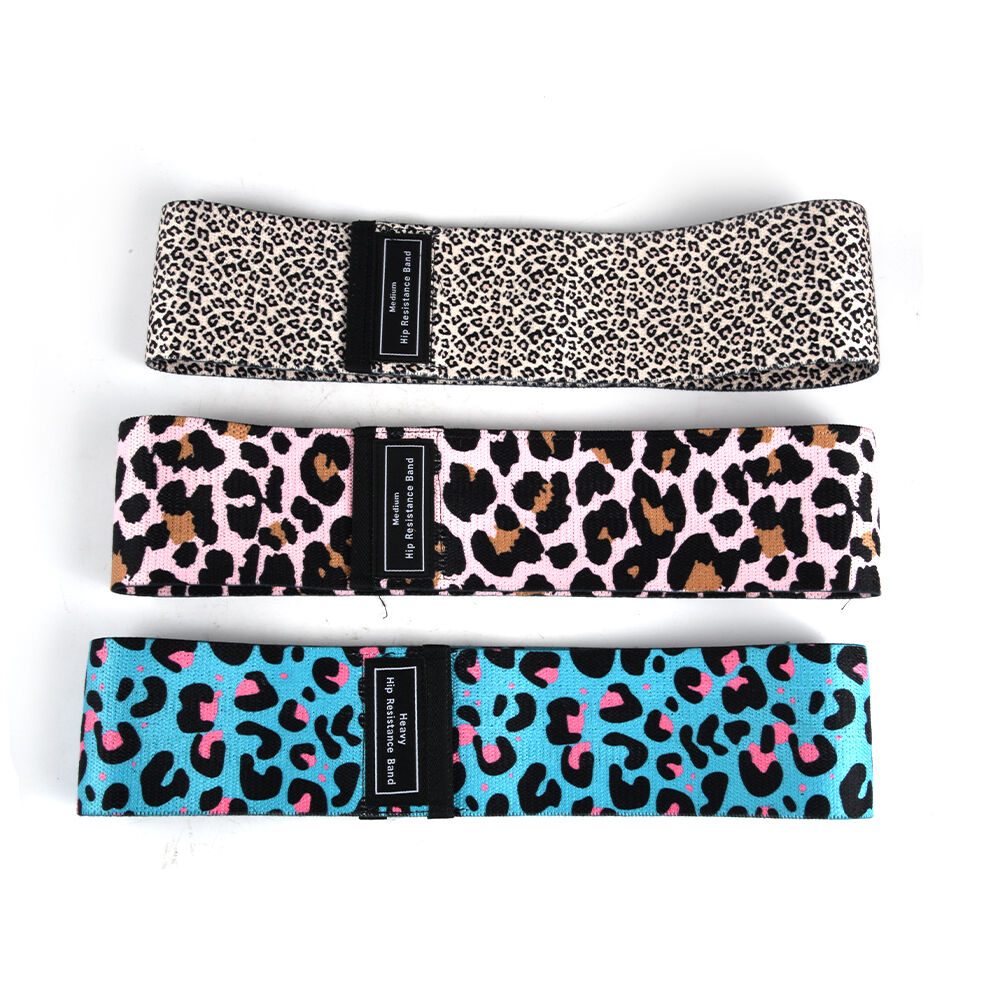
Hip bands have revolutionized women's fitness routines by providing targeted muscle activation that traditional exercises often miss. These versatile resistance tools address specific anatomical needs that women face in strength training, particularly in developing the gluteal muscles, stabilizing the pelvis, and creating balanced lower body development. The growing recognition of hip bands as essential fitness equipment stems from their ability to activate dormant muscle groups that are crucial for women's overall functional movement patterns.
The necessity of hip bands in women's fitness programs becomes evident when examining the biomechanical challenges that women commonly encounter during exercise. Women typically have wider pelvises, different hip angles, and distinct muscle firing patterns compared to men, making targeted hip stabilization and glute activation more critical for achieving optimal performance and preventing injury. Hip bands specifically address these physiological differences by providing external resistance that encourages proper muscle recruitment and movement mechanics.
Anatomical Advantages Hip Bands Provide for Women
Glute Activation and Development
Hip bands excel at activating the gluteus medius and gluteus minimus, muscles that are notoriously difficult to engage effectively without resistance tools. These smaller glute muscles play a crucial role in hip stability and are often underdeveloped in women who spend long hours sitting or engage primarily in forward-moving exercises. The lateral resistance provided by hip bands forces these muscles to work against the band's tension, creating stronger neural pathways and improved muscle recruitment patterns.
Women's gluteal development benefits significantly from the constant tension that hip bands provide throughout the entire range of motion. Unlike free weights that may only challenge muscles at specific points in an exercise, hip bands maintain consistent resistance that keeps the glutes engaged from start to finish. This continuous activation leads to better muscle development and improved functional strength that translates to enhanced performance in compound movements like squats and deadlifts.
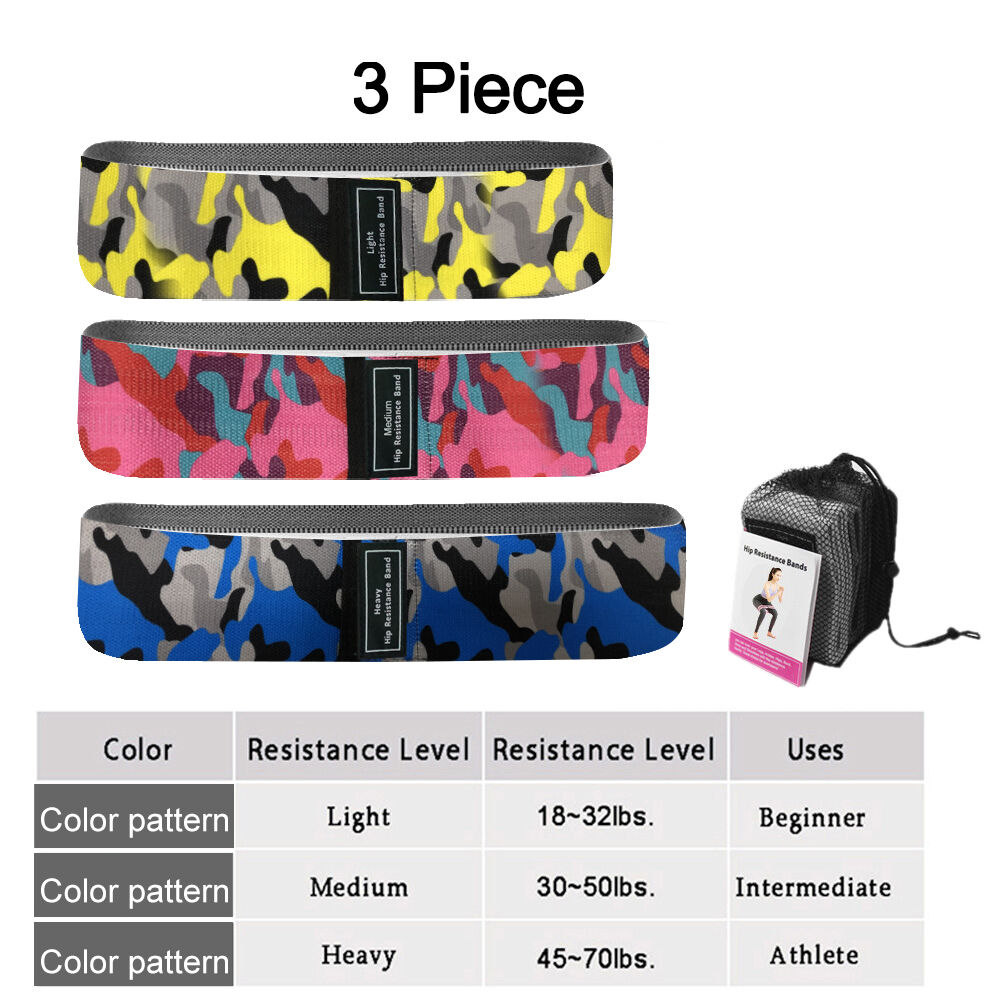
The progressive nature of hip band training allows women to gradually increase resistance levels as their strength improves. Starting with lighter resistance bands and progressing to heavier tensions provides a systematic approach to glute development that minimizes injury risk while maximizing muscle growth potential. This scalability makes hip bands suitable for women at all fitness levels, from beginners to advanced athletes.
Pelvic Stability Enhancement
Women's wider pelvic structure creates unique stability challenges that hip bands effectively address through targeted muscle strengthening. The resistance provided by hip bands during lateral movements strengthens the muscles responsible for maintaining pelvic alignment, including the gluteus medius, tensor fasciae latae, and deep hip stabilizers. These muscles work together to prevent excessive hip drop and maintain proper biomechanics during dynamic activities.
Improved pelvic stability through hip band training reduces the risk of common injuries that disproportionately affect women, such as patellofemoral pain syndrome and IT band syndrome. By strengthening the hip abductors and external rotators, hip bands help maintain proper knee tracking and reduce stress on the knee joint during activities like running, jumping, and lateral movements. This injury prevention aspect makes hip bands particularly valuable for women who participate in sports or high-impact activities.
The functional benefits of enhanced pelvic stability extend beyond athletic performance to everyday activities. Women who regularly use hip bands often report improved posture, reduced lower back pain, and better overall movement quality during daily tasks. This improvement in functional movement patterns demonstrates why hip bands have become considered essential tools rather than optional accessories in women's fitness programs.
Functional Movement Benefits for Women's Training
Multi-Planar Movement Integration
Hip bands enable women to train in multiple planes of movement simultaneously, which is crucial for developing functional strength that translates to real-world activities. Traditional gym equipment often restricts movement to single planes, but hip bands allow for sagittal, frontal, and transverse plane movements that mirror natural human locomotion patterns. This multi-planar training approach develops strength and stability that enhances performance in sports, recreational activities, and daily life movements.
The lateral resistance component of hip bands specifically targets movement patterns that are often neglected in traditional strength training programs. Lateral lunges, side steps, and crab walks with hip bands develop strength in the frontal plane, which is essential for changing direction quickly and maintaining balance during dynamic activities. These movement patterns are particularly important for women who participate in sports that require rapid directional changes or lateral movements.
Women's training programs benefit from the rotational component that hip bands add to exercises, as this trains the muscles responsible for controlling hip rotation and maintaining proper alignment during complex movements. The resistance provided by hip bands during rotational exercises strengthens the deep hip muscles that are crucial for maintaining joint stability while allowing for smooth, controlled movement transitions.
Core Integration and Stability
Hip bands naturally integrate core strengthening into lower body exercises by requiring increased stabilization to maintain proper form against the band's resistance. This integration is particularly beneficial for women because it addresses the common disconnect between core and hip function that can lead to movement compensations and injury risk. The constant challenge of maintaining alignment while working against hip band resistance strengthens the core muscles in a functional, movement-based context.
The stabilization demands created by hip bands help women develop better proprioception and body awareness, which are crucial for maintaining proper movement patterns under fatigue or challenging conditions. This improved body awareness translates to better exercise form, reduced injury risk, and enhanced performance in both structured workouts and spontaneous physical activities. The neurological benefits of hip band training extend beyond muscle strengthening to include improved movement coordination and control.
Women who incorporate hip bands into their core training routines often experience improved spinal stability and reduced lower back discomfort. The hip-core connection that hip bands help develop creates a more stable foundation for upper body movements and daily activities, leading to better overall posture and reduced stress on the lumbar spine. This holistic approach to core strengthening makes hip bands valuable tools for addressing common postural issues that affect many women.
Practical Applications in Women's Exercise Programs
Warm-Up and Activation Protocols
Hip bands serve as excellent warm-up tools that prepare women's bodies for more intensive exercise by activating key muscle groups and improving movement quality. A proper hip band warm-up routine increases blood flow to the target muscles, enhances neural activation, and establishes proper movement patterns before progressing to more challenging exercises. This preparation phase is particularly important for women who may have sedentary jobs or limited daily movement patterns that can lead to muscle dormancy.
The activation benefits of hip band warm-ups extend throughout the entire workout session, as the improved muscle recruitment patterns established during the warm-up carry over to subsequent exercises. Women who use hip bands during their warm-up routines often report better performance in squats, lunges, and other compound movements because the glutes and hip stabilizers are already engaged and ready to contribute effectively to the movement patterns.
Hip band activation protocols can be customized to target specific weaknesses or movement limitations that individual women may have. For example, women with knee valgus tendencies can use specific hip band exercises that strengthen the muscles responsible for maintaining proper knee alignment, while those with hip mobility restrictions can use bands to facilitate improved range of motion while building strength simultaneously.
Strength Training Enhancement
Hip bands enhance traditional strength training exercises by adding resistance vectors that challenge muscles in ways that free weights alone cannot achieve. When used in conjunction with squats, lunges, and deadlifts, hip bands create additional resistance that forces the glutes and hip stabilizers to work harder while maintaining proper movement mechanics. This combination approach leads to greater strength gains and improved movement quality compared to using either method independently.
The tempo and resistance modifications that hip bands provide allow women to customize their strength training intensity without requiring access to heavy weights or complex equipment. This adaptability is particularly valuable for women who train at home, travel frequently, or prefer bodyweight-based training approaches. Hip bands can transform simple bodyweight exercises into challenging strength-building movements that promote muscle development and functional capacity.
Women's strength training programs benefit from the constant tension aspect of hip bands, which maintains muscle engagement throughout the entire range of motion. This continuous tension creates greater time under tension for the target muscles, leading to improved strength endurance and muscle development. The metabolic demands of working against constant resistance also contribute to increased caloric expenditure and enhanced cardiovascular benefits during strength training sessions.
Long-Term Benefits for Women's Health and Performance
Injury Prevention and Joint Health
Regular use of hip bands contributes significantly to long-term joint health by strengthening the muscles that support and stabilize the hip, knee, and ankle joints. Women who incorporate hip bands into their regular exercise routines experience reduced rates of common overuse injuries, particularly those affecting the knee and lower back. The strengthening of hip abductors and external rotators through hip band exercises helps maintain proper biomechanics during high-impact activities and reduces stress on vulnerable joint structures.
The low-impact nature of hip band exercises makes them suitable for women recovering from injuries or those with joint sensitivities who need to maintain fitness while avoiding high-stress movements. Hip bands provide an effective way to strengthen key muscle groups without placing excessive load on healing tissues or sensitive joints. This versatility makes hip bands valuable tools for both injury prevention and rehabilitation applications.
Hip band training promotes balanced muscle development that helps prevent the muscle imbalances commonly associated with repetitive movement patterns or sedentary lifestyles. Women who spend long hours sitting or engage in activities with limited movement variety benefit particularly from the muscle activation and strengthening that hip bands provide for often-neglected muscle groups. This balanced approach to muscle development supports long-term joint health and functional capacity.
Functional Aging and Mobility Maintenance
Hip bands support healthy aging for women by maintaining the strength and function of muscles that are crucial for independent living and quality of life. The hip and glute muscles that hip bands target are among the first to weaken with age, and this weakness contributes to increased fall risk, reduced mobility, and decreased quality of life. Regular hip band training helps women maintain the strength and stability needed for activities like climbing stairs, getting up from chairs, and maintaining balance during daily activities.
The progressive nature of hip band training allows women to continue challenging their muscles appropriately as they age, providing a sustainable approach to maintaining fitness throughout different life stages. Unlike high-impact exercises that may become less suitable with age, hip band exercises can be modified and adapted to accommodate changing physical capabilities while still providing effective muscle strengthening and functional benefits.
Women who establish hip band training habits early in their fitness journeys create a foundation for lifelong movement health that adapts well to changing circumstances and physical capabilities. The portability and versatility of hip bands ensure that women can maintain consistent training regardless of location, equipment availability, or physical limitations that may develop over time. This consistency in training helps preserve the functional capacity that is essential for maintaining independence and quality of life as women age.
FAQ
How often should women use hip bands in their fitness routines?
Women should incorporate hip bands into their fitness routines 2-3 times per week for optimal benefits. This frequency allows for adequate muscle recovery while maintaining consistent stimulus for strength and stability improvements. Hip bands can be used daily for activation and mobility work, but intensive strength training with bands should include rest days to allow for muscle adaptation and growth.
Can hip bands replace traditional strength training for women?
While hip bands are excellent tools for muscle activation and targeted strengthening, they work best as complements to traditional strength training rather than complete replacements. Hip bands excel at activating specific muscle groups and improving movement patterns, but progressive overload with heavier resistance is still necessary for maximum strength development. The most effective approach combines hip bands with traditional strength training methods.
What resistance level should women start with when using hip bands?
Women should begin with light to medium resistance hip bands that allow them to complete exercises with proper form while feeling challenged by the final repetitions. Starting with lighter resistance ensures proper movement patterns are established before progressing to heavier bands. Most women benefit from having multiple resistance levels available to accommodate different exercises and strength progressions.
Are hip bands suitable for women with knee problems?
Hip bands can be beneficial for women with certain knee problems because they strengthen the hip muscles that help maintain proper knee alignment and reduce stress on the knee joint. However, women with acute knee injuries or specific medical conditions should consult with healthcare providers before beginning hip band exercises. Many physical therapy programs incorporate hip bands specifically to address knee-related issues through hip strengthening.