 EN
EN


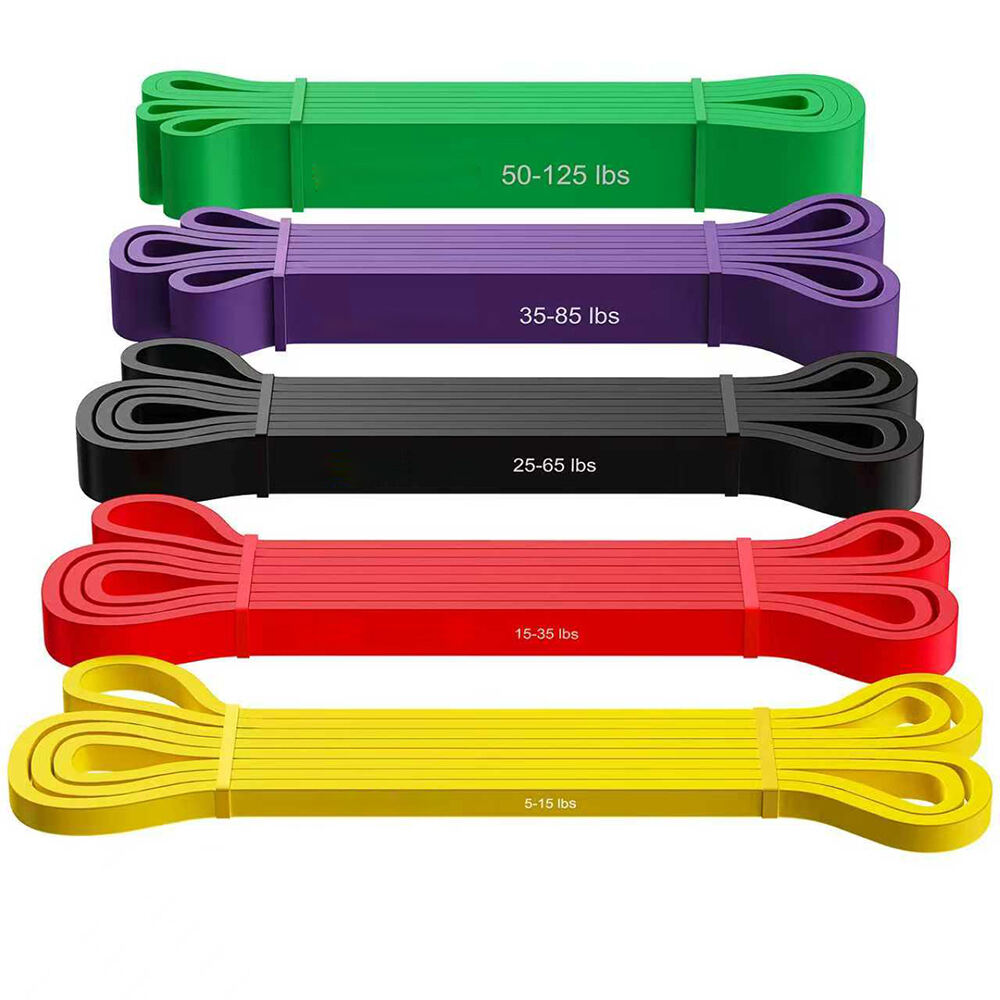
The Rising Demand for Premium Exercise Resistance Equipment
The fitness industry has witnessed a remarkable transformation in recent years, with gym equipment retailers seeking innovative solutions to meet evolving consumer needs. OEM pull up assist bands have emerged as a game-changing product category, offering both retailers and fitness enthusiasts a versatile and profitable addition to their equipment lineup. These customizable resistance tools have become increasingly popular due to their effectiveness in supporting workout routines and their potential for significant market growth.
As the fitness landscape continues to evolve, retailers are recognizing the substantial benefits of partnering with OEM manufacturers to deliver high-quality pull up assist bands. These partnerships enable businesses to offer unique, branded products while maintaining control over quality standards and profit margins. The growing awareness of functional training and bodyweight exercises has created an unprecedented demand for these essential fitness accessories.
Strategic Advantages of OEM Partnerships
Custom Branding Opportunities
One of the most compelling aspects of OEM pull up assist bands is the ability to create a distinctive brand identity. Retailers can work directly with manufacturers to incorporate their logos, color schemes, and packaging designs, setting their products apart in a competitive market. This level of customization allows businesses to build brand recognition and customer loyalty while maintaining complete control over their product presentation.
Moreover, custom branding extends beyond mere aesthetics. Retailers can specify unique features, resistance levels, and material compositions that align with their target market's preferences. This flexibility enables businesses to develop product lines that cater to specific customer segments, from beginners to advanced fitness enthusiasts.
Quality Control and Product Specifications
Working with reputable OEM manufacturers ensures consistent product quality and performance standards. Retailers can establish detailed specifications for their pull up assist bands, including material durability, stretch resistance, and safety features. This level of control helps maintain product reliability and customer satisfaction while minimizing returns and warranty claims.
The ability to specify exact manufacturing requirements also allows retailers to differentiate their products through superior quality. By selecting premium materials and implementing rigorous testing protocols, businesses can position their bands as premium offerings in the market.
Market Positioning and Profit Potential
Competitive Pricing Strategies
Direct collaboration with OEM manufacturers often results in more favorable pricing structures compared to purchasing through intermediaries. This cost advantage enables retailers to implement flexible pricing strategies while maintaining healthy profit margins. By controlling the entire supply chain, businesses can better respond to market dynamics and adjust pricing as needed.
The economies of scale achieved through OEM partnerships also allow retailers to offer competitive prices without compromising on quality. This balance between affordability and premium features helps capture a larger market share while building a reputation for value-driven products.
Market Expansion Opportunities
OEM pull up assist bands present numerous opportunities for market expansion. Retailers can develop comprehensive product lines targeting different fitness levels, specialties, and price points. This diversification helps businesses capture a broader customer base while maintaining brand consistency across all offerings.
Furthermore, the growing trend of home fitness solutions has created new channels for distribution and sales. Retailers can leverage their branded products to expand into online marketplaces, specialty fitness stores, and international markets.
Product Innovation and Development
Advanced Material Technology
Working with OEM manufacturers gives retailers access to the latest developments in material science and manufacturing techniques. Modern pull up assist bands can incorporate advanced synthetic materials that offer superior durability, elasticity, and performance. This technological edge helps products stand out in an increasingly competitive market.
Innovative materials also contribute to enhanced user experience, with features such as improved grip texture, moisture resistance, and color stability. These advancements help justify premium pricing while delivering tangible benefits to end-users.
Design Evolution and User Feedback
The flexibility of OEM partnerships allows for rapid product iteration based on market feedback. Retailers can quickly implement design improvements, adjust resistance levels, or introduce new features in response to customer preferences. This agility in product development helps maintain market relevance and customer satisfaction.
Regular updates and improvements to product designs also demonstrate a commitment to innovation and customer service, further strengthening brand loyalty and market position.
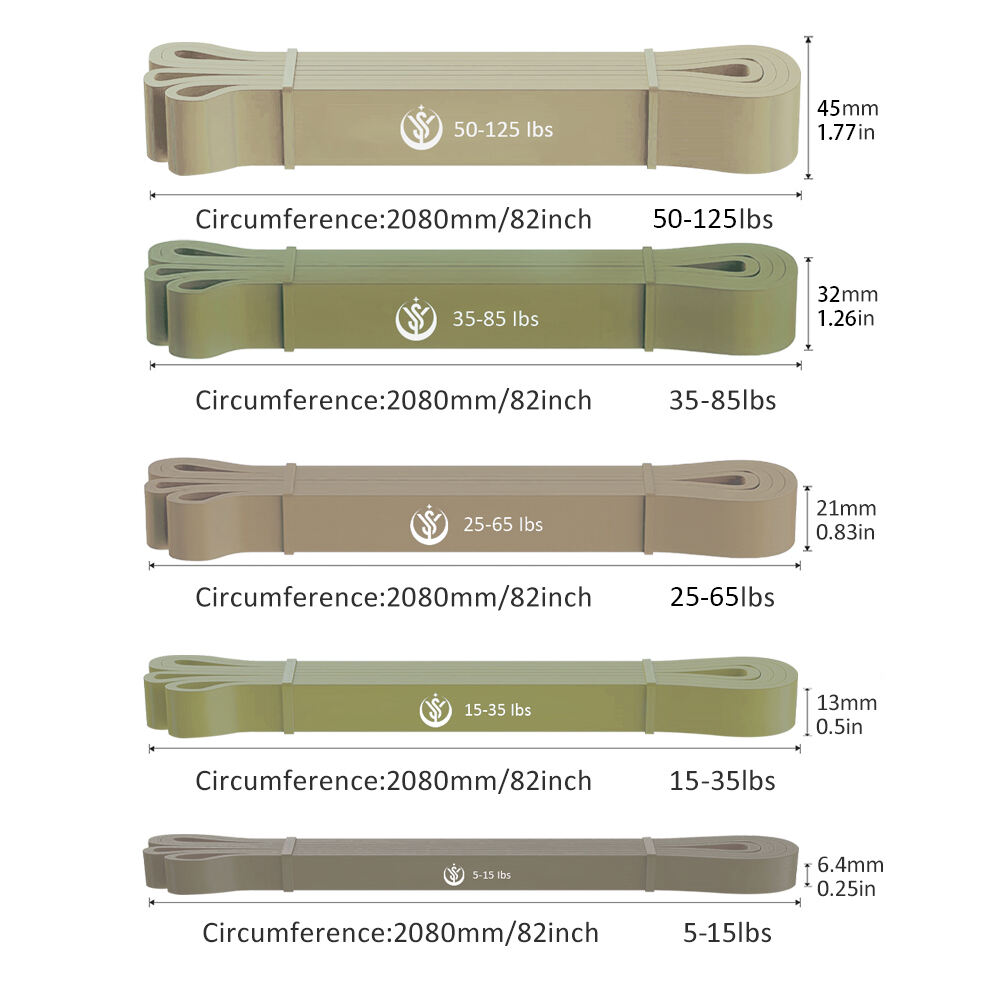
Supply Chain Benefits and Inventory Management
Production Flexibility
OEM relationships provide retailers with greater control over production schedules and inventory levels. This flexibility helps optimize stock management and reduce carrying costs while ensuring product availability during peak demand periods. Retailers can adjust order quantities based on seasonal variations and market trends.
The ability to manage production timing also helps retailers maintain fresh inventory and respond quickly to changing market conditions. This agility is particularly valuable in the dynamic fitness equipment industry.
Quality Assurance and Compliance
Working directly with OEM manufacturers enables retailers to implement comprehensive quality control measures throughout the production process. This oversight helps ensure compliance with safety standards and regulatory requirements while maintaining consistent product quality. Regular factory audits and testing protocols protect both the retailer's reputation and customer safety.
Strong quality assurance programs also help minimize returns and warranty claims, contributing to improved customer satisfaction and reduced operational costs.
Frequently Asked Questions
What minimum order quantities are typical for OEM pull up assist bands?
Minimum order quantities vary by manufacturer but typically range from 500 to 1,000 units per design. Some manufacturers may offer lower MOQs for initial orders or sample runs to help retailers test market response before committing to larger quantities.
How long does the OEM production process usually take?
The typical production timeline for OEM pull up assist bands ranges from 30 to 45 days, including sampling and quality control. This timeframe may vary based on order volume, customization requirements, and current factory capacity.
What customization options are available for OEM pull up assist bands?
Customization options include brand logos, color combinations, resistance levels, packaging design, band dimensions, material composition, and surface textures. Retailers can also specify unique features such as grip patterns, carrying bags, and instruction materials.
How can retailers ensure consistent quality from OEM manufacturers?
Retailers can maintain quality standards through detailed product specifications, regular factory audits, third-party testing, and established quality control protocols. Working with certified manufacturers and implementing thorough inspection procedures helps ensure consistent product quality.