 EN
EN


Mastering the Perfect Pull-Up Journey with Resistance Support
The journey to achieving your first unassisted pull-up can be both exciting and challenging. Pull up assist bands have revolutionized the way fitness enthusiasts approach this fundamental upper body exercise. These versatile resistance tools provide the perfect balance of support and progressive training, enabling beginners to build strength while maintaining proper form. Whether you're just starting your fitness journey or looking to refine your technique, understanding how to effectively use pull up assist bands can significantly accelerate your progress.
Many beginners feel intimidated by traditional pull-ups, often struggling with the full body weight movement. This is where pull up assist bands come into play, offering a sophisticated yet simple solution to build the necessary strength and confidence. By providing adjustable assistance, these bands allow you to focus on perfecting your form while gradually working towards performing unassisted pull-ups.
Understanding the Mechanics of Resistance Training
The Science Behind Band Assistance
Pull up assist bands work on the principle of variable resistance, providing maximum support at the bottom of the movement where you need it most. As you pull yourself up, the band's resistance decreases naturally, mimicking the strength curve of a proper pull-up. This graduated assistance helps develop the precise muscle groups needed for unassisted pull-ups while maintaining proper biomechanics.
The elastic properties of these bands create a smooth, controlled motion throughout the exercise, reducing the risk of injury while allowing for proper engagement of the lats, biceps, and supporting muscle groups. This controlled resistance is particularly beneficial for beginners as it helps establish proper movement patterns and muscle memory.
Choosing the Right Resistance Level
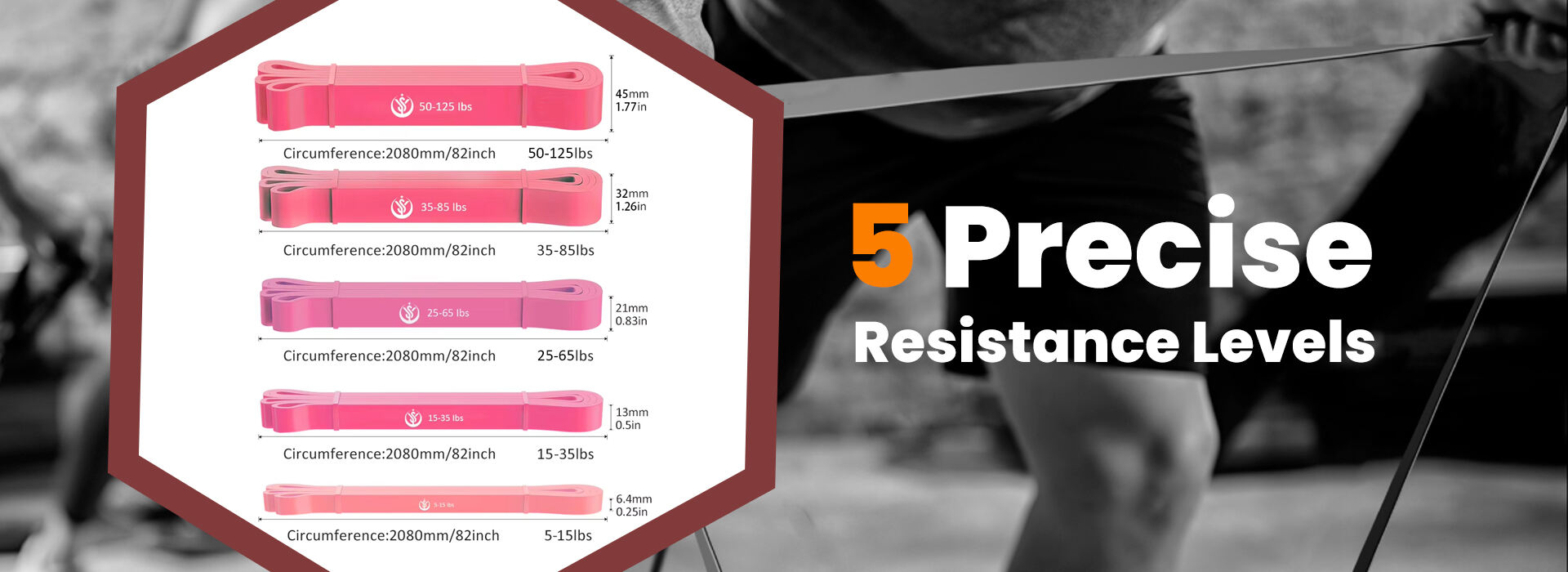
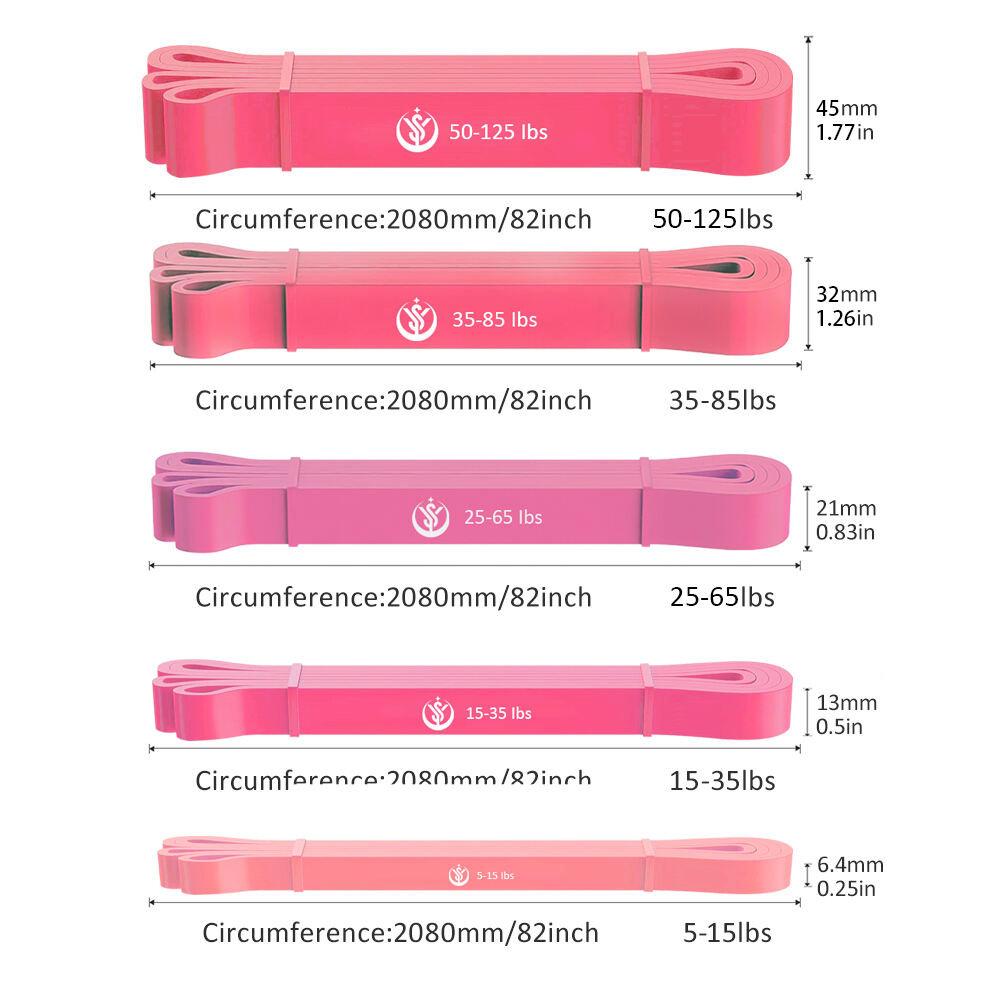
Selecting appropriate pull up assist bands is crucial for optimal progress. Bands typically come in different resistance levels, usually indicated by different colors or thicknesses. Beginners should start with bands that provide enough assistance to perform 8-12 controlled repetitions with proper form. As strength increases, gradually transitioning to lighter bands ensures consistent progress without plateauing.
It's important to note that using too much assistance can hinder progress, while insufficient support may lead to poor form and potential injury. The ideal resistance should challenge you while allowing for complete range of motion and proper technique throughout each repetition.
Maximizing Training Benefits
Progressive Overload Strategies
Pull up assist bands enable effective implementation of progressive overload, a fundamental principle in strength training. By systematically reducing band assistance over time, you create the perfect environment for continuous strength gains. This methodical approach allows your muscles to adapt gradually while preventing the frustration of attempting too much too soon.
A well-structured training program using pull up assist bands might begin with three sessions per week, incorporating both straight sets and negative repetitions. As your strength improves, you can experiment with different band combinations or move to lighter resistance bands, ensuring consistent challenge and progress.
Form and Technique Enhancement
One of the greatest advantages of pull up assist bands is their ability to help perfect form and technique. The reduced load allows beginners to focus on crucial elements such as shoulder blade positioning, core engagement, and proper pull-up mechanics. This attention to detail in the early stages creates a solid foundation for more advanced variations later.
Proper technique includes maintaining a slight hollow body position, initiating the movement with the lats, and avoiding excessive swinging or momentum. Pull up assist bands make it easier to practice these elements while under controlled resistance, leading to better muscle activation and more efficient movement patterns.
Advanced Training Applications
Incorporating Varied Grip Positions
As practitioners become more comfortable with standard pull-ups using assist bands, they can explore different grip variations to target various muscle groups. Wide grip, narrow grip, and neutral grip positions each emphasize different aspects of upper body strength. Pull up assist bands make these variations accessible to beginners while maintaining proper form and control.
Experimenting with different grip positions helps develop well-rounded upper body strength and prevents training plateaus. The consistent support from pull up assist bands allows for safe exploration of these variations without compromising form or risking injury.
Combining Band Resistance with Other Techniques
Advanced users can combine pull up assist bands with other training methods such as tempo training, isometric holds, or partial range of motion work. These combinations create new training stimuli and help break through plateaus while maintaining the safety and control that bands provide.
For example, incorporating pause reps at different points in the movement or performing slow negatives with band assistance can help develop strength in specific ranges of motion. This versatility makes pull up assist bands valuable tools even as users progress beyond the beginner stage.
Frequently Asked Questions
How long does it typically take to progress to unassisted pull-ups?
The timeline varies depending on initial strength levels, consistency of training, and overall fitness background. Most dedicated beginners can progress to unassisted pull-ups within 3-6 months of regular training with pull up assist bands, following a structured program with proper progression.
Should I use multiple bands simultaneously?
Using multiple pull up assist bands can be beneficial when single bands don't provide the exact resistance needed. However, it's generally recommended to use the minimum number of bands necessary to maintain proper form while challenging yourself appropriately.
How often should I train with pull up assist bands?
For optimal results, training with pull up assist bands 2-3 times per week allows adequate recovery while maintaining steady progress. Ensure at least one day of rest between sessions, and listen to your body to prevent overtraining.
Can pull up assist bands be used for other exercises?
Yes, pull up assist bands are versatile tools that can be used for various exercises including assisted dips, muscle-ups, and mobility work. Their adaptability makes them valuable additions to any strength training program, providing scalable resistance for multiple movement patterns.