 EN
EN


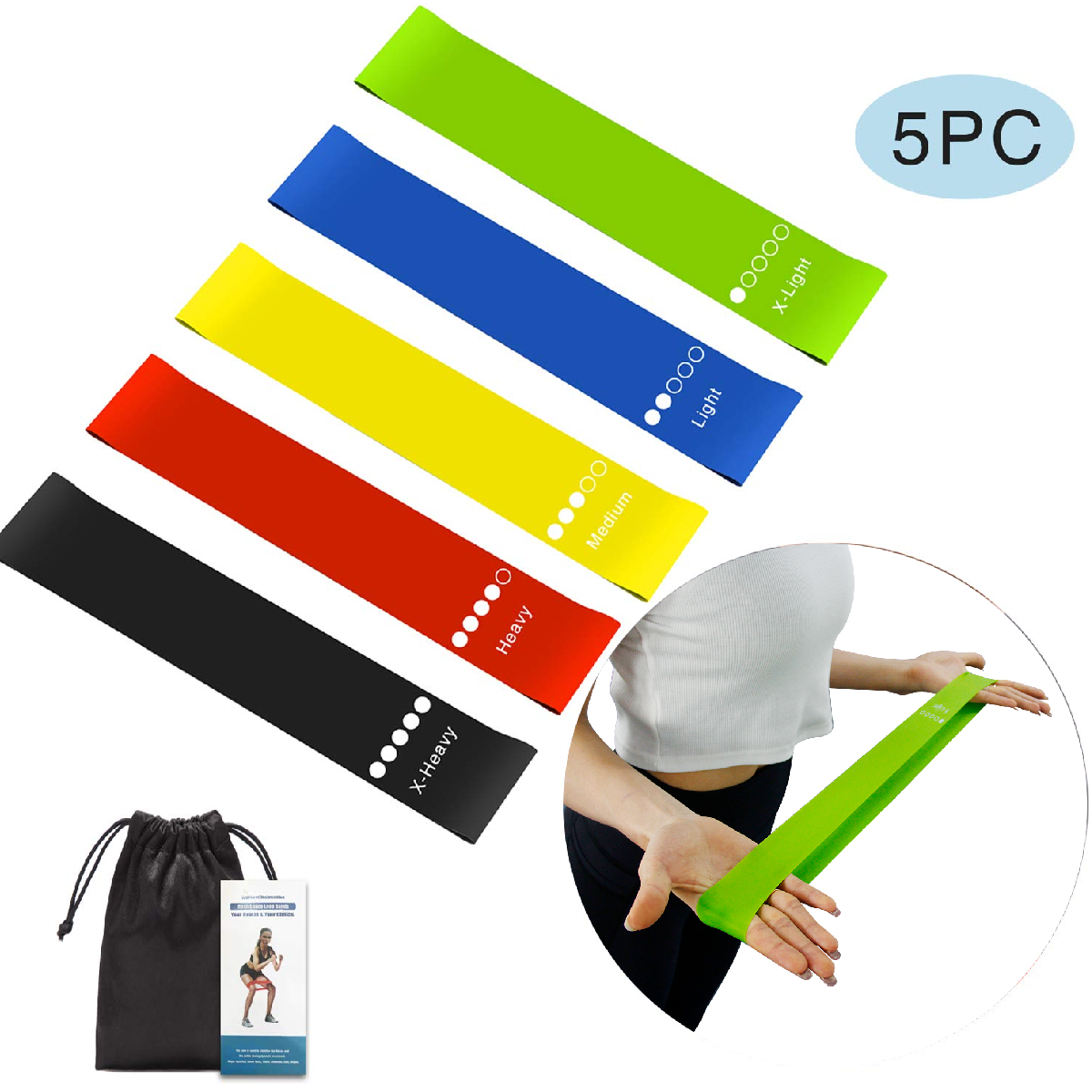
When gyms decide to invest in mini loop bands for their facilities, the purchasing decision extends far beyond simply choosing the lowest price option. These versatile resistance training tools have become essential equipment in modern fitness facilities, offering members an effective way to enhance their strength training, rehabilitation exercises, and group fitness classes. However, the success of your investment depends heavily on understanding the key factors that separate quality mini loop bands from inferior alternatives that may compromise member satisfaction and safety.
The bulk purchasing process for fitness equipment requires careful consideration of multiple variables that directly impact both your budget and member experience. From material durability and resistance levels to supplier reliability and customization options, each factor plays a crucial role in determining whether your mini loop bands investment will deliver long-term value for your gym. Understanding these considerations before making a purchase commitment helps gym owners avoid costly mistakes while ensuring they select products that align with their facility's specific needs and member demographics.
Material Quality and Durability Assessment
Natural Latex vs Synthetic Material Options
The foundation of any quality mini loop bands purchase begins with understanding the material composition and its implications for performance and longevity. Natural latex remains the gold standard for resistance bands due to its superior elasticity, consistent resistance curves, and ability to withstand repeated stretching without losing its structural integrity. When evaluating mini loop bands for bulk purchase, natural latex options typically offer 300-500% stretch capacity while maintaining their original shape and resistance levels over extended use periods.
Synthetic alternatives, including TPE (thermoplastic elastomer) and fabric-covered bands, present different advantages that may align better with specific gym environments. TPE mini loop bands often provide latex-free options for members with allergies while offering good durability and consistent performance. Fabric-covered bands combine comfort with durability, reducing the likelihood of snapping during high-intensity workouts and providing better grip during sweaty exercise sessions.
The material choice directly impacts member safety and satisfaction, as inferior materials may snap unexpectedly during use, potentially causing injuries and negative experiences. Quality mini loop bands should undergo stress testing to ensure they can handle the repetitive use patterns typical in commercial gym environments, where individual bands may be used dozens of times per day across various exercise applications.
Thickness and Width Specifications
The dimensional specifications of mini loop bands significantly influence their performance characteristics and suitability for different exercise applications. Thickness typically ranges from 0.35mm to 1.1mm, with thicker bands generally providing greater durability but potentially affecting the resistance curve and user comfort. Width variations, commonly ranging from 30mm to 50mm, impact both the distribution of pressure across the user's body and the band's overall strength capacity.
When selecting thickness specifications for bulk orders, consider the intensity levels of your gym's programming and member demographics. Thicker mini loop bands withstand aggressive use better but may feel less comfortable for extended exercise sessions or for members with sensitive skin. Conversely, thinner bands offer superior comfort and flexibility but require more frequent replacement in high-usage environments.
Width selection impacts both functional performance and user experience, as wider bands distribute resistance more evenly across contact points, reducing pressure concentration that can cause discomfort during extended use. However, wider mini loop bands may not fit comfortably for all body types, particularly smaller users or those performing exercises requiring bands to be positioned around narrower body parts.
Resistance Level Configuration and Variety
Standard Resistance Classifications
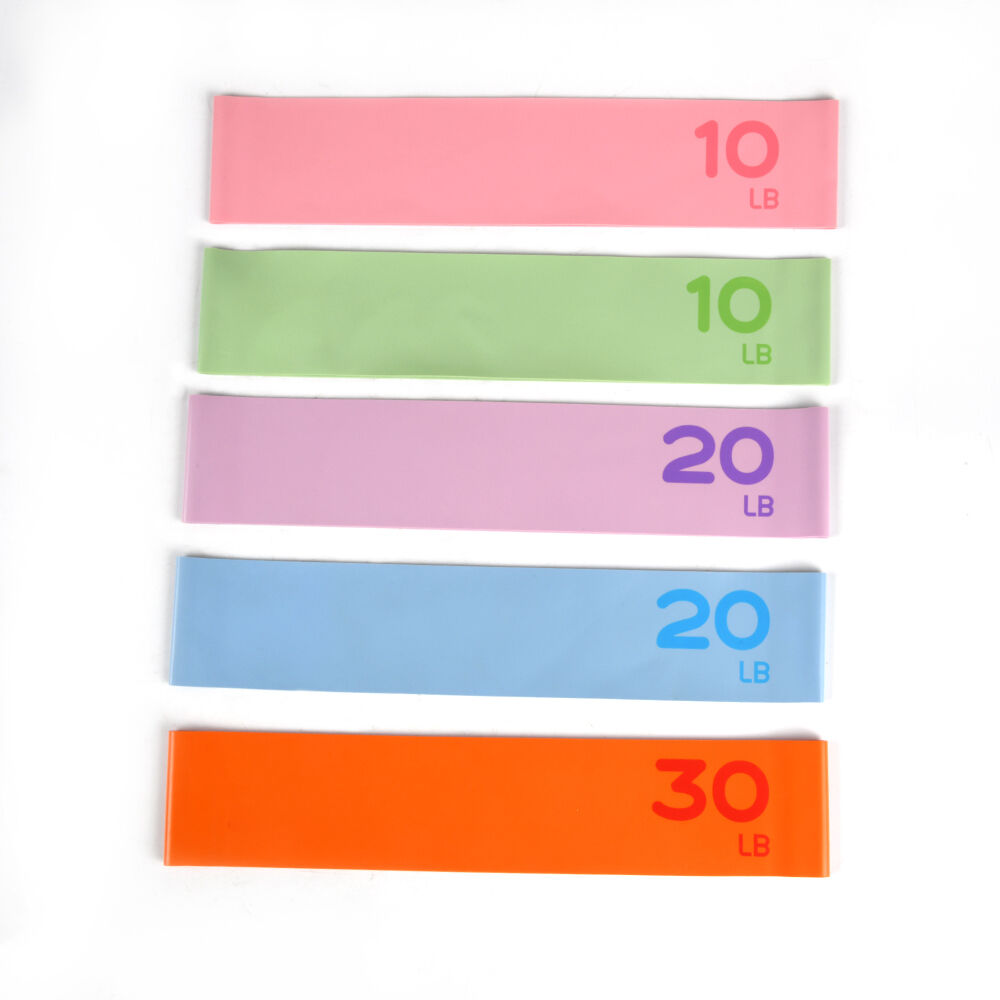
Effective mini loop bands procurement requires understanding how resistance levels align with your gym's member base and programming requirements. Standard resistance classifications typically include light (10-15 lbs), medium (20-25 lbs), heavy (30-35 lbs), and extra-heavy (40-50 lbs) categories, though these measurements can vary significantly between manufacturers and should be verified through independent testing when possible.
The resistance progression system you choose affects member progression tracking and workout effectiveness. Quality mini loop bands should provide consistent resistance curves that allow users to feel meaningful differences between levels while maintaining smooth transitions throughout the range of motion. Inconsistent resistance can frustrate members and limit the effectiveness of progressive training programs.
Consider ordering resistance sets rather than individual levels to ensure consistency across your inventory. Matched sets of mini loop bands from the same production batch typically offer better resistance curve consistency, making them more suitable for structured group fitness classes and personal training sessions where precise resistance targeting is important.
Member Demographics and Usage Patterns
Your gym's member demographics significantly influence the optimal resistance distribution for mini loop bands bulk purchases. Facilities serving primarily beginner or rehabilitation-focused populations may require higher quantities of light and medium resistance bands, while gyms catering to experienced athletes and strength training enthusiasts need greater emphasis on heavy and extra-heavy options.
Analyze your current equipment usage patterns to inform resistance level purchasing decisions. High-traffic group fitness classes often require multiple sets of light to medium mini loop bands to accommodate varying fitness levels within single sessions. Personal training areas may need complete sets across all resistance levels to support individualized programming and progressive overload principles.
Consider seasonal and promotional impacts on mini loop bands usage when determining quantity requirements for each resistance level. New member influxes typically increase demand for lighter resistance options, while established members gradually progress to heavier resistances over time, affecting your long-term inventory planning needs.
Supplier Evaluation and Quality Assurance
Manufacturing Standards and Certifications
Reliable suppliers of mini loop bands should demonstrate adherence to recognized manufacturing standards and quality certifications that ensure product safety and consistency. Look for suppliers who maintain ISO 9001 quality management certification, FDA registration for materials in contact with skin, and compliance with relevant safety standards such as CPSIA for consumer product safety.
Manufacturing process transparency indicates supplier reliability and product quality consistency. Reputable suppliers should provide detailed information about their production methods, quality control procedures, and testing protocols for mini loop bands. This information helps assess whether their manufacturing capabilities align with your quality expectations and usage requirements.
Request samples from potential suppliers to evaluate actual product quality before committing to bulk orders. Sample evaluation should include stress testing, resistance measurement verification, and assessment of finish quality and consistency. Quality mini loop bands should demonstrate uniform thickness, smooth surfaces without imperfections, and consistent resistance characteristics across multiple units.
Supply Chain Reliability and Lead Times
Supply chain stability directly impacts your ability to maintain adequate mini loop bands inventory levels and respond to unexpected demand increases or equipment wear patterns. Evaluate suppliers based on their production capacity, inventory management systems, and ability to fulfill orders within specified timeframes while maintaining quality standards.
Understanding lead times becomes crucial when planning mini loop bands purchases around seasonal demand fluctuations, facility expansions, or new program launches. Reliable suppliers should provide realistic lead time estimates and demonstrate track records of meeting delivery commitments, as delays can disrupt gym operations and member satisfaction.
Consider establishing relationships with multiple qualified suppliers to reduce dependency risks and ensure continuity of mini loop bands availability. Supplier diversification strategies help protect against production disruptions, quality issues, or capacity constraints that might affect your primary supplier's ability to meet your needs.
Cost Analysis and Budget Optimization
Total Cost of Ownership Considerations
Effective mini loop bands purchasing decisions require analysis beyond initial purchase prices to understand total cost of ownership over the expected product lifecycle. Factor in replacement costs, warranty coverage, shipping expenses, and potential downtime costs when bands fail prematurely or don't meet performance expectations.
Quality mini loop bands with higher initial costs often provide superior value through extended lifespans, reduced replacement frequency, and lower maintenance requirements. Calculate cost per use based on expected usage patterns and replacement intervals to compare true value between different price points and quality levels.
Consider indirect costs associated with mini loop bands performance, including member satisfaction impacts, staff time required for equipment management, and potential liability exposure from equipment failures. These factors can significantly influence the actual cost-effectiveness of different purchasing options.
Volume Pricing and Contract Negotiations
Bulk purchasing of mini loop bands typically offers opportunities for volume pricing advantages, but effective negotiation requires understanding market pricing structures and supplier cost factors. Research multiple suppliers to establish price benchmarks and identify negotiation opportunities for your specific quantity requirements.
Negotiate beyond unit pricing to include value-added services such as customization options, extended warranties, replacement guarantees, or training support. These additional services can provide significant value while helping differentiate your gym's mini loop bands offerings and member experience.
Consider establishing framework agreements for ongoing mini loop bands purchases that lock in pricing while providing flexibility for order timing and quantities. These arrangements can provide budget predictability while ensuring consistent access to preferred products and supplier services.
Customization and Branding Opportunities
Logo Integration and Brand Consistency
Custom branding on mini loop bands provides opportunities to reinforce your gym's identity while creating professional-looking equipment that members associate with quality and attention to detail. Evaluate customization options including logo placement, color schemes, and branding methods such as screen printing, embossing, or integrated color patterns.
Brand consistency across your mini loop bands inventory helps create cohesive visual experiences that reinforce your facility's professional image. Consider how custom branded bands integrate with your overall equipment aesthetics and marketing strategies, including potential social media visibility when members use the equipment.
Customization costs and minimum order quantities for branded mini loop bands should be evaluated against the marketing and professional image benefits they provide. Some suppliers offer cost-effective customization options for bulk orders, making branded equipment accessible even for smaller gym operations.
Color Coding and Organization Systems
Implementing color-coded systems for mini loop bands resistance levels improves user experience and operational efficiency by enabling quick identification of appropriate resistance levels during workouts. Standard color coding systems help members familiar with other gym equipment adapt quickly to your band system.
Consider organizational benefits of color coding when designing storage and distribution systems for mini loop bands. Consistent color schemes facilitate inventory management, cleaning protocols, and replacement identification while reducing staff time required for equipment organization and member assistance.
Evaluate whether custom color schemes for mini loop bands align with your gym's branding while maintaining intuitive progression patterns that members can easily understand and remember. Balance customization desires with practical usability considerations for optimal member experience.
FAQ
How many mini loop bands should a gym typically order for bulk purchase?
The optimal quantity depends on your gym size, member capacity, and programming requirements. Most gyms order 20-30 bands per 100 members for general use, with additional quantities for group fitness classes. Consider ordering 40% light resistance, 35% medium resistance, 20% heavy resistance, and 5% extra-heavy resistance to match typical member progression patterns and usage preferences.
What is the expected lifespan of quality mini loop bands in commercial gym settings?
Quality mini loop bands should last 12-18 months in commercial gym environments with proper care and storage. Natural latex bands typically offer superior longevity compared to synthetic alternatives, while usage intensity, storage conditions, and cleaning protocols significantly impact actual lifespan. Budget for annual replacement of 60-70% of your inventory to maintain optimal equipment conditions.
Are there specific safety considerations for bulk mini loop band purchases?
Yes, prioritize bands with smooth, seamless construction to prevent skin irritation and ensure consistent resistance curves to avoid unexpected snapping. Verify that suppliers provide material safety documentation and compliance certifications. Establish regular inspection protocols to identify wear patterns and remove compromised bands before they pose safety risks to members.
Should gyms consider latex-free options when bulk buying mini loop bands?
Including latex-free alternatives in your bulk purchase accommodates members with latex allergies while expanding your facility's accessibility. TPE and fabric-covered mini loop bands provide suitable alternatives, though they may have different performance characteristics and pricing structures. Consider ordering 10-20% of your total inventory as latex-free options to ensure inclusive equipment availability.
Table of Contents
- Material Quality and Durability Assessment
- Resistance Level Configuration and Variety
- Supplier Evaluation and Quality Assurance
- Cost Analysis and Budget Optimization
- Customization and Branding Opportunities
-
FAQ
- How many mini loop bands should a gym typically order for bulk purchase?
- What is the expected lifespan of quality mini loop bands in commercial gym settings?
- Are there specific safety considerations for bulk mini loop band purchases?
- Should gyms consider latex-free options when bulk buying mini loop bands?