 EN
EN


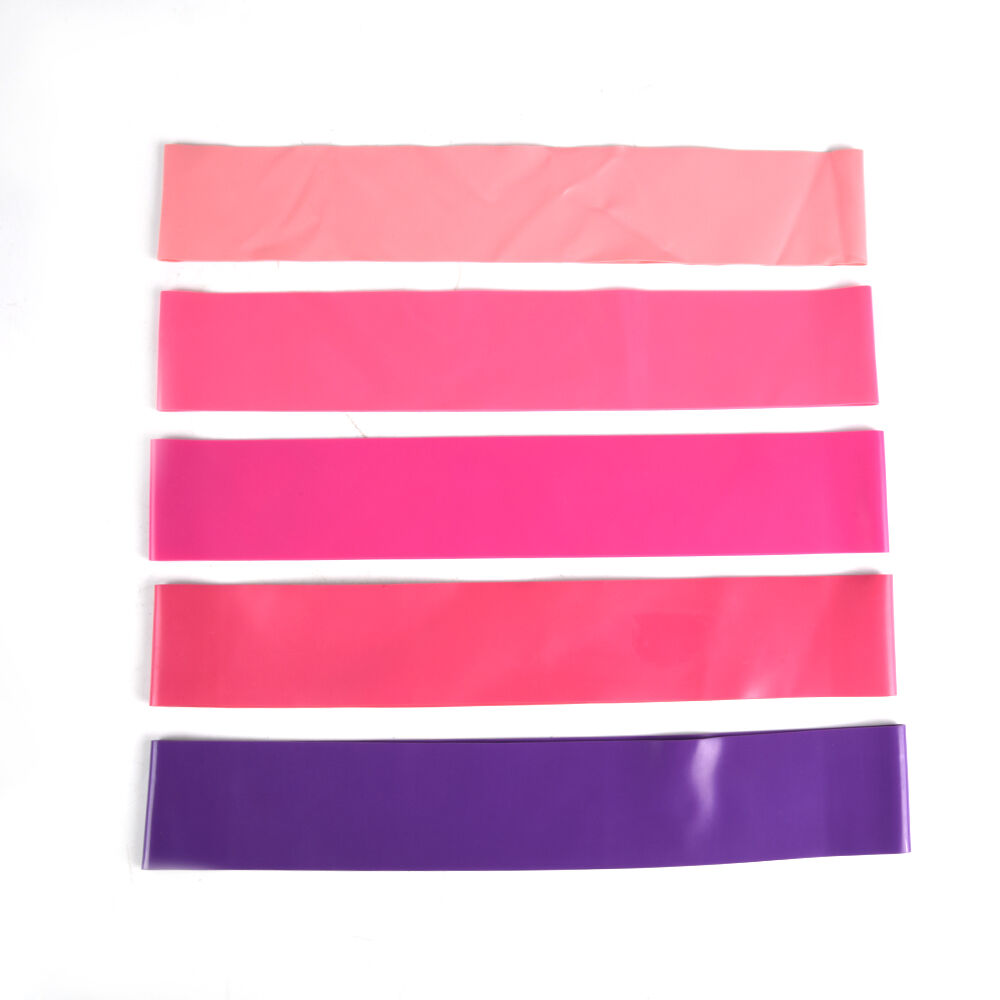
Mini loop bands have revolutionized the approach to rehabilitation and injury recovery by providing a versatile, low-impact exercise solution that bridges the gap between passive recovery and full activity restoration. These compact resistance tools offer healthcare professionals and patients alike a controlled method for rebuilding strength, improving mobility, and facilitating the gradual return to normal function following various types of injuries and medical procedures.

The therapeutic effectiveness of mini loop bands stems from their ability to provide variable resistance that can be precisely adjusted to match a patient's recovery stage and functional capacity. Unlike traditional weights or machines that can impose excessive stress on healing tissues, these bands allow for gentle, progressive loading that stimulates tissue repair while minimizing the risk of re-injury. This unique characteristic makes them indispensable tools in modern rehabilitation protocols across orthopedic, sports medicine, and physical therapy settings.
Biomechanical Principles Behind Band-Based Rehabilitation
Variable Resistance Mechanics
Mini loop bands operate on the principle of variable resistance, where the tension increases proportionally with the degree of stretch applied to the band. This biomechanical property closely mimics the natural strength curve of human muscles, providing optimal resistance at the strongest point of a movement while reducing stress during vulnerable joint positions. During rehabilitation, this characteristic allows therapists to target specific muscle groups while accommodating the limitations imposed by injury or surgical recovery.
The elastic properties of mini loop bands create accommodating resistance that challenges muscles throughout the entire range of motion. This continuous tension stimulates proprioceptors and mechanoreceptors within muscles and joints, enhancing neuromuscular control and joint stability. For patients recovering from injuries, this sensory feedback is crucial for reestablishing proper movement patterns and preventing compensation strategies that could lead to secondary injuries.
Progressive Loading Capabilities
The graduated resistance levels available in mini loop bands enable healthcare professionals to implement precise progressive loading protocols. Starting with lighter resistance bands during the acute recovery phase, patients can gradually advance to higher resistance levels as their tissues heal and strength improves. This controlled progression aligns with the biological principles of tissue adaptation and prevents the setbacks commonly associated with premature return to high-intensity activities.
Research demonstrates that the controlled stress applied through elastic resistance promotes collagen synthesis and tissue remodeling in healing structures. The ability to modulate resistance by adjusting band tension, grip position, or exercise angle allows therapists to fine-tune the mechanical load applied to specific tissues, optimizing the healing environment while maintaining functional movement patterns throughout the recovery process.
Clinical Applications in Specific Injury Types
Orthopedic Rehabilitation Protocols
Mini loop bands play a crucial role in post-surgical rehabilitation, particularly following procedures involving the knee, hip, shoulder, and ankle joints. In knee rehabilitation protocols, these bands facilitate safe strengthening of the quadriceps, hamstrings, and hip stabilizers while minimizing shear forces across healing joint structures. The bands enable patients to perform functional movement patterns such as squats, lunges, and lateral steps with controlled resistance that can be adjusted based on surgical restrictions and pain tolerance.
For shoulder rehabilitation, mini loop bands provide an excellent solution for strengthening rotator cuff muscles and scapular stabilizers without requiring overhead positioning that might compromise healing tissues. The bands can be positioned around the wrists, forearms, or upper arms to target different muscle groups and movement planes, allowing for comprehensive shoulder girdle rehabilitation while respecting surgical precautions and range of motion restrictions.
Sports Injury Recovery Programs
Athletes recovering from sports-related injuries benefit significantly from the functional movement patterns possible with mini loop bands. These tools allow for sport-specific rehabilitation exercises that prepare athletes for return to competition while maintaining the controlled environment necessary for safe recovery. The bands can replicate movement patterns common in various sports while providing the resistance needed to rebuild strength and power gradually.
The portability and versatility of mini loop bands make them ideal for continuation of rehabilitation programs during travel or competition seasons. Athletes can maintain their recovery protocols regardless of location, ensuring consistent progress toward full function. The bands also serve as excellent tools for injury prevention protocols, allowing athletes to address muscle imbalances and movement dysfunctions that may predispose them to future injuries.
Neuromuscular Re-education and Movement Quality
Proprioceptive Enhancement
One of the most significant contributions of mini loop bands to rehabilitation is their ability to enhance proprioceptive awareness and neuromuscular control. The continuous tension provided by the bands creates sensory feedback that helps patients relearn proper movement patterns and joint positioning. This is particularly important following injuries that may have disrupted normal sensorimotor function or following periods of immobilization that can lead to proprioceptive deficits.
The unstable nature of elastic resistance challenges the neuromuscular system to maintain control throughout movement, promoting the development of dynamic stability. This improved neuromuscular control translates directly to better functional performance and reduced risk of re-injury. Mini loop bands can be incorporated into balance training, gait re-education, and functional movement screening protocols to address these crucial aspects of recovery.
Motor Pattern Restoration
Following injury or surgery, patients often develop compensatory movement patterns that can persist long after the initial problem has healed. Mini loop bands provide an effective tool for correcting these dysfunctional patterns by facilitating proper muscle activation sequences and movement mechanics. The resistance offered by the bands can be strategically applied to encourage activation of inhibited muscles while discouraging overactivity in compensatory muscle groups.
The feedback provided by mini loop bands helps patients develop awareness of correct movement patterns, making it easier to transfer these improvements to functional activities. This aspect of rehabilitation is crucial for long-term success, as improper movement patterns can lead to chronic pain, reduced performance, and increased risk of future injuries. The bands serve as both a strengthening tool and a movement education device throughout the rehabilitation process.
Integration with Comprehensive Recovery Programs
Multi-Modal Treatment Approaches
Mini loop bands integrate seamlessly with other rehabilitation modalities to create comprehensive treatment programs tailored to individual patient needs. They complement manual therapy techniques by providing patients with tools to maintain mobility and strength gains between treatment sessions. The bands can be used in conjunction with modalities such as electrical stimulation, ultrasound, and heat therapy to create synergistic effects that accelerate recovery.
The incorporation of mini loop bands into aquatic therapy programs represents another innovative application that maximizes rehabilitation outcomes. The buoyancy of water combined with the resistance of the bands creates an ideal environment for early-stage rehabilitation, allowing for pain-free movement and strengthening while protecting healing tissues from excessive stress. This combination is particularly beneficial for patients with weight-bearing restrictions or those who experience pain with land-based activities.
Home Exercise Program Enhancement
The portability and ease of use of mini loop bands make them invaluable components of home exercise programs, ensuring continuity of care between clinical sessions. Patients can perform prescribed exercises independently, maintaining progress and preventing deconditioning during the recovery process. The simple nature of band exercises makes them accessible to patients of all ages and functional levels, improving compliance with rehabilitation protocols.
Healthcare providers can easily demonstrate proper exercise techniques and provide patients with written or video instructions for safe independent use of mini loop bands. The low cost and durability of these tools make them accessible to all patients, removing economic barriers to effective rehabilitation. Regular use of mini loop bands at home helps maintain the gains achieved during clinical treatment while promoting patient empowerment and self-management skills.
Evidence-Based Outcomes and Clinical Efficacy
Research Support for Band-Based Rehabilitation
Clinical research consistently demonstrates the effectiveness of elastic resistance training, including mini loop bands, in various rehabilitation applications. Studies show significant improvements in strength, function, and quality of life measures when mini loop bands are incorporated into treatment protocols for conditions ranging from knee osteoarthritis to post-surgical recovery. The research supports the use of these tools across different patient populations and injury types.
Comparative studies indicate that rehabilitation programs incorporating mini loop bands often achieve outcomes equivalent to or superior to traditional weight-based programs, particularly in terms of functional improvement and patient satisfaction. The ability to perform exercises that closely mimic functional activities while providing appropriate resistance contributes to better carryover to daily living activities and sports participation.
Long-Term Functional Outcomes
The long-term benefits of incorporating mini loop bands into rehabilitation programs extend beyond the immediate recovery period. Patients who utilize these tools during rehabilitation often demonstrate better maintenance of strength and function over time compared to those who rely solely on traditional rehabilitation methods. The skills learned through band-based exercises transfer well to long-term fitness and injury prevention programs.
Follow-up studies reveal that patients who continue using mini loop bands as part of their regular exercise routine experience lower rates of re-injury and better overall physical function. The convenience and effectiveness of these tools make them ideal for lifelong fitness and health maintenance, supporting the transition from rehabilitation to wellness and performance optimization.
FAQ
How soon after injury can mini loop bands be safely introduced into rehabilitation?
The timing for introducing mini loop bands depends on the specific injury type, surgical procedure, and individual healing response. Generally, they can be incorporated as early as the acute phase of rehabilitation, typically within days to weeks following injury or surgery, provided there are no contraindications such as unstable fractures or severe inflammation. Healthcare professionals will assess tissue healing status, pain levels, and range of motion before determining the appropriate time to begin band-based exercises, often starting with very light resistance and limited range of motion.
What makes mini loop bands more effective than traditional weights for rehabilitation?
Mini loop bands offer several advantages over traditional weights in rehabilitation settings, including variable resistance that matches natural muscle strength curves, reduced joint stress due to accommodating resistance, and the ability to work in multiple planes of movement. The elastic properties provide continuous tension throughout the range of motion, enhancing proprioceptive feedback and neuromuscular control. Additionally, the portability and adjustability of mini loop bands allow for more precise load management and easier progression modifications compared to fixed-weight systems.
Can mini loop bands replace all other forms of rehabilitation exercise?
While mini loop bands are highly versatile and effective rehabilitation tools, they work best as part of a comprehensive treatment program rather than as a complete replacement for all other exercises. They excel at providing controlled resistance, improving movement patterns, and facilitating functional training, but may need to be combined with other modalities such as manual therapy, cardiovascular conditioning, and eventually sport-specific or occupation-specific training for optimal outcomes. The specific combination of interventions should always be determined by qualified healthcare professionals based on individual patient needs and recovery goals.
How do I know if I'm using the right resistance level during recovery?
The appropriate resistance level should allow you to complete prescribed exercises with proper form while experiencing mild to moderate muscle fatigue by the end of the set, without causing increased pain or compromising movement quality. Generally, you should be able to perform 10-15 repetitions with the last 2-3 being challenging but still maintainable with good technique. If exercises become too easy or if you experience sharp pain, joint discomfort, or significant increase in symptoms, the resistance level may need adjustment. Always consult with your healthcare provider or physical therapist to ensure proper progression and avoid setbacks in your recovery.
Table of Contents
- Biomechanical Principles Behind Band-Based Rehabilitation
- Clinical Applications in Specific Injury Types
- Neuromuscular Re-education and Movement Quality
- Integration with Comprehensive Recovery Programs
- Evidence-Based Outcomes and Clinical Efficacy
-
FAQ
- How soon after injury can mini loop bands be safely introduced into rehabilitation?
- What makes mini loop bands more effective than traditional weights for rehabilitation?
- Can mini loop bands replace all other forms of rehabilitation exercise?
- How do I know if I'm using the right resistance level during recovery?