 EN
EN


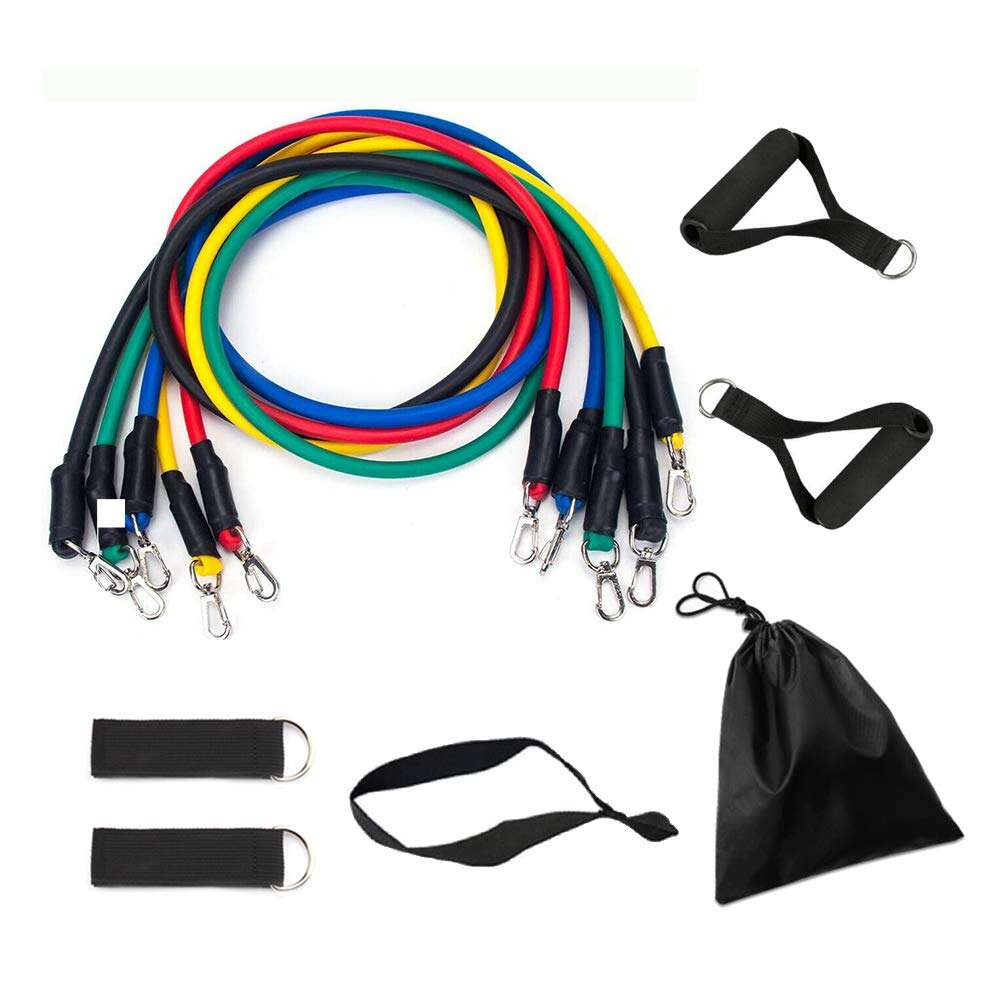
Understanding the material composition of mini loop bands is fundamental to selecting the right training equipment for your fitness goals. The material directly impacts durability, resistance levels, skin comfort, and overall performance during workouts. Different materials offer distinct advantages and limitations that can significantly influence your training experience and long-term equipment investment.
Professional trainers and fitness enthusiasts must consider various material factors when choosing mini loop bands for their training programs. The material composition affects not only the immediate user experience but also the longevity and cost-effectiveness of the equipment. Each material type brings specific characteristics that make certain bands more suitable for particular training styles, user preferences, and environmental conditions.
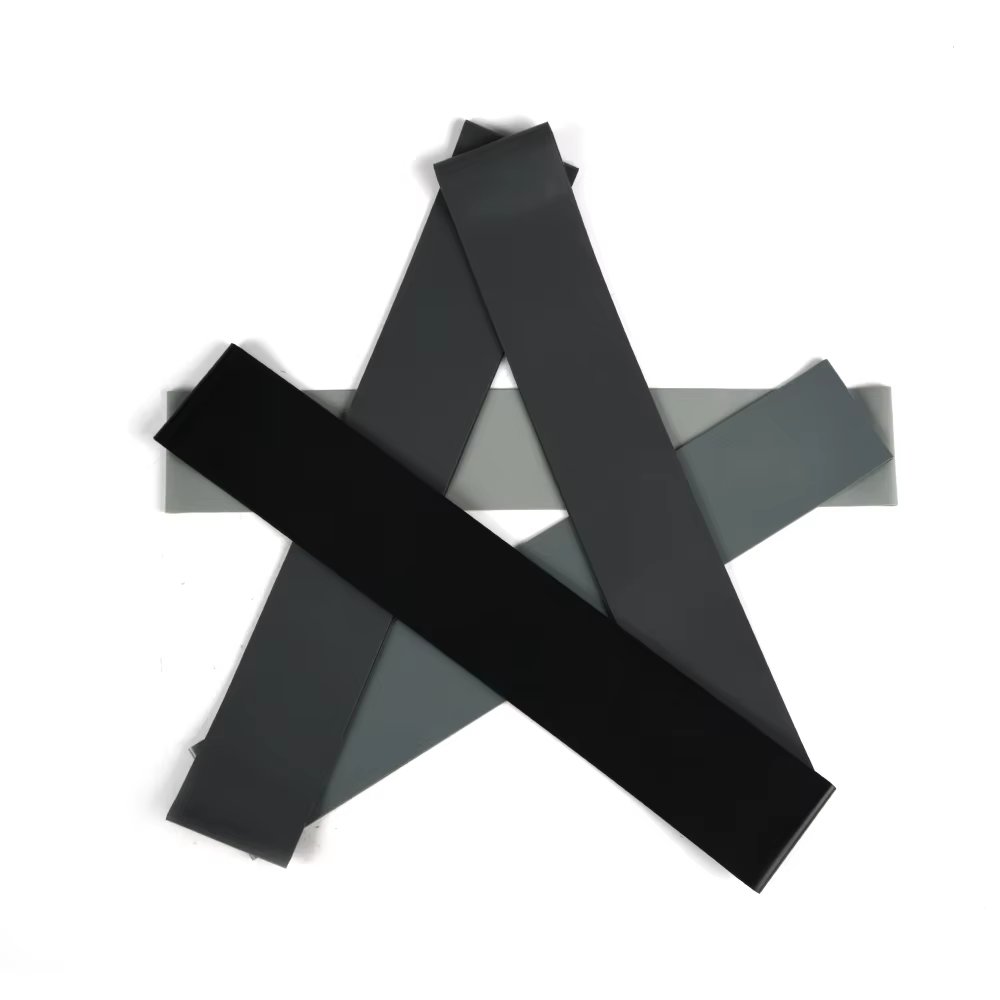
Natural Latex Construction in Mini Loop Bands
Pure Latex Material Properties
Natural latex represents the premium material choice for mini loop bands due to its exceptional elasticity and durability characteristics. Pure latex offers superior stretch recovery, meaning the bands return to their original shape consistently after stretching. This material provides smooth, linear resistance that increases proportionally with the stretch distance, creating predictable resistance curves for training.
The molecular structure of natural latex allows for extensive stretching without permanent deformation when manufactured properly. High-quality latex mini loop bands can typically stretch to three to four times their resting length while maintaining structural integrity. This extensive range makes latex bands particularly valuable for accommodating different user strength levels and exercise variations within the same training session.
Natural latex also demonstrates excellent fatigue resistance under repeated stretching cycles. Professional-grade latex mini loop bands can withstand thousands of stretch cycles without significant degradation in resistance properties or structural integrity. This durability factor makes latex bands cost-effective for high-frequency training programs and commercial gym environments.
Latex Manufacturing Quality Variations
The manufacturing process significantly influences the final properties of latex mini loop bands. Dipped latex construction creates seamless bands with consistent wall thickness, resulting in uniform resistance distribution around the entire loop circumference. This manufacturing method produces bands with superior durability compared to molded alternatives.
Latex purity levels vary between manufacturers, with higher purity grades offering better performance characteristics. Premium latex mini loop bands use medical-grade or surgical-grade latex that undergoes extensive purification processes. These higher-grade materials demonstrate improved consistency in resistance levels, better aging characteristics, and reduced likelihood of premature failure.
The vulcanization process used in latex manufacturing also affects the final material properties. Proper vulcanization creates cross-links between latex molecules that enhance durability and resistance consistency. Under-vulcanized latex may feel softer initially but degrades more quickly, while over-vulcanization can make bands unnecessarily stiff and prone to cracking.
Synthetic Rubber Material Options
TPE Thermoplastic Elastomer Characteristics
Thermoplastic elastomer represents a popular synthetic alternative for mini loop bands manufacturing. TPE materials offer several advantages including latex-free composition, making them suitable for users with latex allergies or sensitivities. These synthetic materials can be formulated to achieve specific resistance characteristics and durability targets.
TPE mini loop bands typically exhibit different stretch characteristics compared to natural latex. The resistance curve may be less linear, with some TPE formulations providing more resistance at initial stretch and plateauing at higher extensions. This characteristic can be advantageous for certain training applications where early resistance engagement is desired.
The manufacturing flexibility of TPE allows for color consistency and custom formulations. Unlike natural latex, which has inherent color limitations, TPE mini loop bands can be produced in virtually any color while maintaining consistent material properties. This flexibility makes TPE attractive for branded fitness equipment and color-coded resistance systems.
Fabric-Reinforced Synthetic Materials
Some manufacturers incorporate fabric reinforcement into synthetic rubber mini loop bands to enhance durability and user comfort. These composite constructions typically feature a rubber or TPE core with fabric covering that provides improved grip and reduced rolling during exercises.
Fabric-covered mini loop bands offer enhanced comfort for extended training sessions, particularly for exercises involving direct skin contact. The fabric layer reduces friction and provides better grip security, preventing bands from slipping during dynamic movements. However, the fabric covering can affect the overall stretch characteristics and may require different care procedures.
The durability of fabric-reinforced mini loop bands depends on both the core material and fabric quality. High-quality fabric coverings resist pilling and maintain their texture through repeated use and washing cycles. Poor-quality fabric may separate from the core material or develop weak points that compromise band integrity.
Comparative Resistance and Performance Characteristics
Resistance Consistency Across Materials
Material choice significantly impacts the consistency and predictability of resistance levels in mini loop bands. Natural latex generally provides the most linear and consistent resistance progression, with smooth increases in force as the band stretches. This consistency makes latex bands particularly suitable for progressive training programs where precise resistance control is important.
Synthetic materials may exhibit different resistance curves, with some showing rapid initial resistance increases followed by plateaus at higher stretch levels. These non-linear characteristics can be advantageous for specific training applications but may require adjustment in exercise programming and progression protocols.
Temperature sensitivity also varies between materials, affecting resistance consistency across different environmental conditions. Natural latex shows moderate temperature sensitivity, becoming slightly stiffer in cold conditions and softer in warm environments. Some synthetic materials demonstrate greater temperature stability, maintaining more consistent resistance across wider temperature ranges.
Durability and Lifespan Considerations
The expected lifespan of mini loop bands varies significantly based on material composition and usage patterns. High-quality natural latex bands typically offer the longest service life under normal training conditions, often lasting years with proper care and storage. The key factors affecting latex durability include UV exposure, ozone contact, and storage temperature.
Synthetic materials may offer different durability profiles, with some TPE formulations providing excellent resistance to environmental factors that degrade natural latex. However, the overall fatigue resistance under repeated stretching may vary, with some synthetics showing earlier degradation in elastic properties compared to premium latex.
The failure modes also differ between materials, with latex bands typically showing gradual degradation before eventual tearing, while some synthetic materials may experience sudden failure without warning signs. Understanding these failure characteristics is important for safety considerations in training programs.
User Experience and Comfort Factors
Skin Contact and Allergic Considerations
Material selection significantly impacts user comfort and safety, particularly for individuals with material sensitivities. Natural latex mini loop bands can cause allergic reactions in sensitive individuals, ranging from mild skin irritation to severe allergic responses. This consideration makes material identification and alternative options crucial for inclusive fitness programs.
Synthetic alternatives like TPE provide latex-free options that maintain good performance characteristics while eliminating allergy concerns. These materials can be formulated to minimize skin irritation and provide comfortable contact surfaces for extended training sessions.
Surface texture and grip characteristics vary between materials, affecting user experience during exercises. Some materials provide better grip security, reducing the need for excessive gripping force that can cause hand fatigue during longer training sessions. The surface properties also influence how easily bands slide against skin or clothing during exercises.
Maintenance and Care Requirements
Different materials require specific care protocols to maintain optimal performance and longevity. Natural latex mini loop bands require protection from UV light, ozone exposure, and extreme temperatures. Proper storage involves keeping bands away from direct sunlight and heat sources while maintaining moderate humidity levels.
Cleaning requirements also vary between materials, with some synthetics tolerating stronger cleaning agents and higher temperatures. TPE materials often demonstrate better resistance to cleaning chemicals and may be suitable for commercial environments requiring frequent sanitization.
The aging characteristics differ significantly between materials, with natural latex showing gradual changes in color and elasticity over time, while synthetic materials may maintain appearance longer but potentially experience different degradation patterns in performance properties.
FAQ
Which material offers the best resistance consistency for progressive training programs?
Natural latex generally provides the most consistent and linear resistance progression, making it ideal for structured training programs requiring predictable resistance increases. High-quality latex mini loop bands maintain consistent resistance characteristics over their service life and provide smooth force curves that facilitate precise exercise programming.
Are synthetic mini loop bands suitable for users with latex allergies?
Yes, TPE and other synthetic materials provide excellent alternatives for latex-sensitive users. These materials can deliver comparable performance characteristics while eliminating allergic reaction risks. Many synthetic formulations are specifically designed to match or exceed the performance of natural latex while providing hypoallergenic properties.
How do environmental conditions affect different mini loop band materials?
Natural latex shows moderate temperature sensitivity and requires protection from UV light and ozone exposure to maintain longevity. Synthetic materials often demonstrate better environmental stability, with some TPE formulations providing consistent performance across wider temperature ranges and better resistance to UV degradation and chemical exposure.
What are the key durability differences between material types?
Premium natural latex typically offers the longest service life under proper care conditions, with gradual degradation patterns that provide warning before failure. Synthetic materials vary in durability characteristics, with some offering excellent environmental resistance but potentially different fatigue resistance under repeated stretching cycles. The specific formulation and manufacturing quality significantly influence durability regardless of material type.