 EN
EN


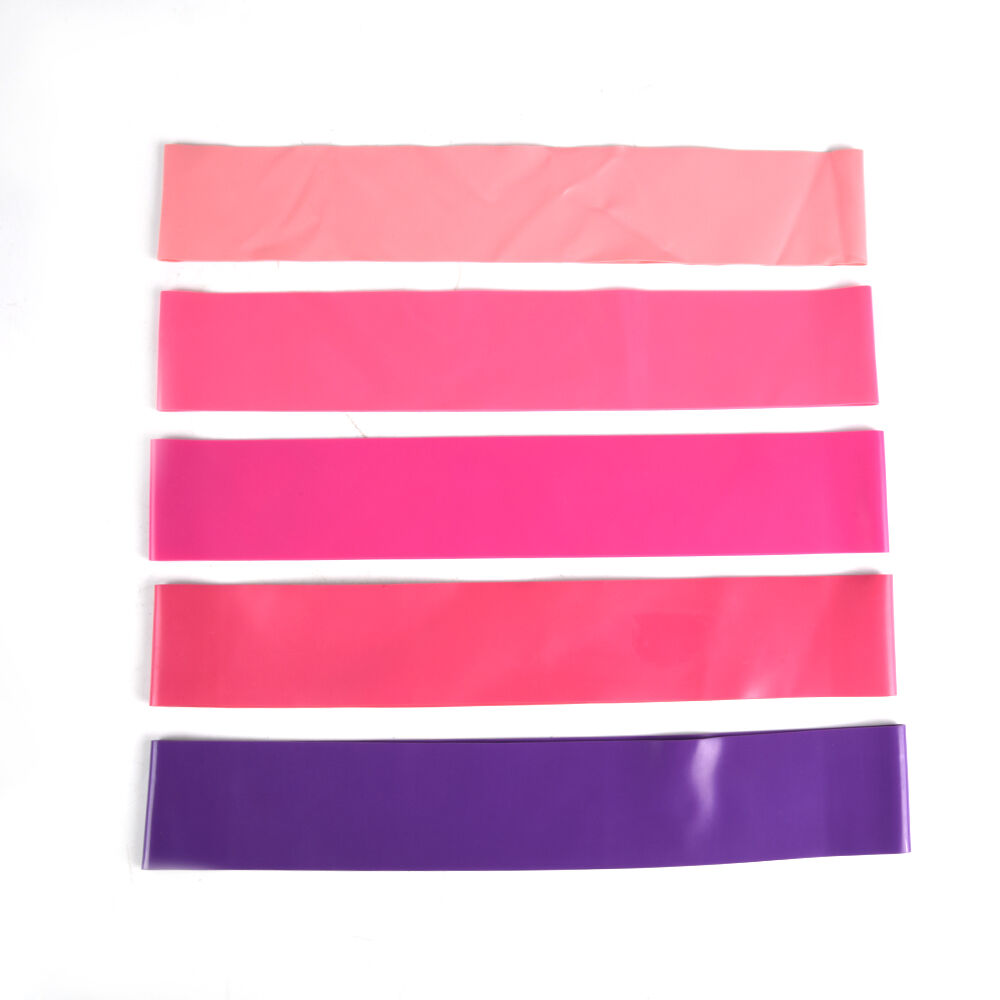
Core strength and stability form the foundation of virtually every athletic movement and daily activity, yet many fitness enthusiasts struggle to effectively target these crucial muscle groups with traditional exercises alone. Mini loop bands offer a revolutionary approach to core training by introducing variable resistance that challenges stabilizing muscles throughout the entire range of motion, creating functional strength patterns that translate directly to improved performance and reduced injury risk.
The integration of mini loop bands into core stability routines transforms static exercises into dynamic, multi-planar challenges that engage deep stabilizing muscles while simultaneously improving proprioception and neuromuscular control. This enhanced activation pattern creates a more comprehensive training stimulus that addresses the complex demands placed on the core during real-world movements and athletic activities.
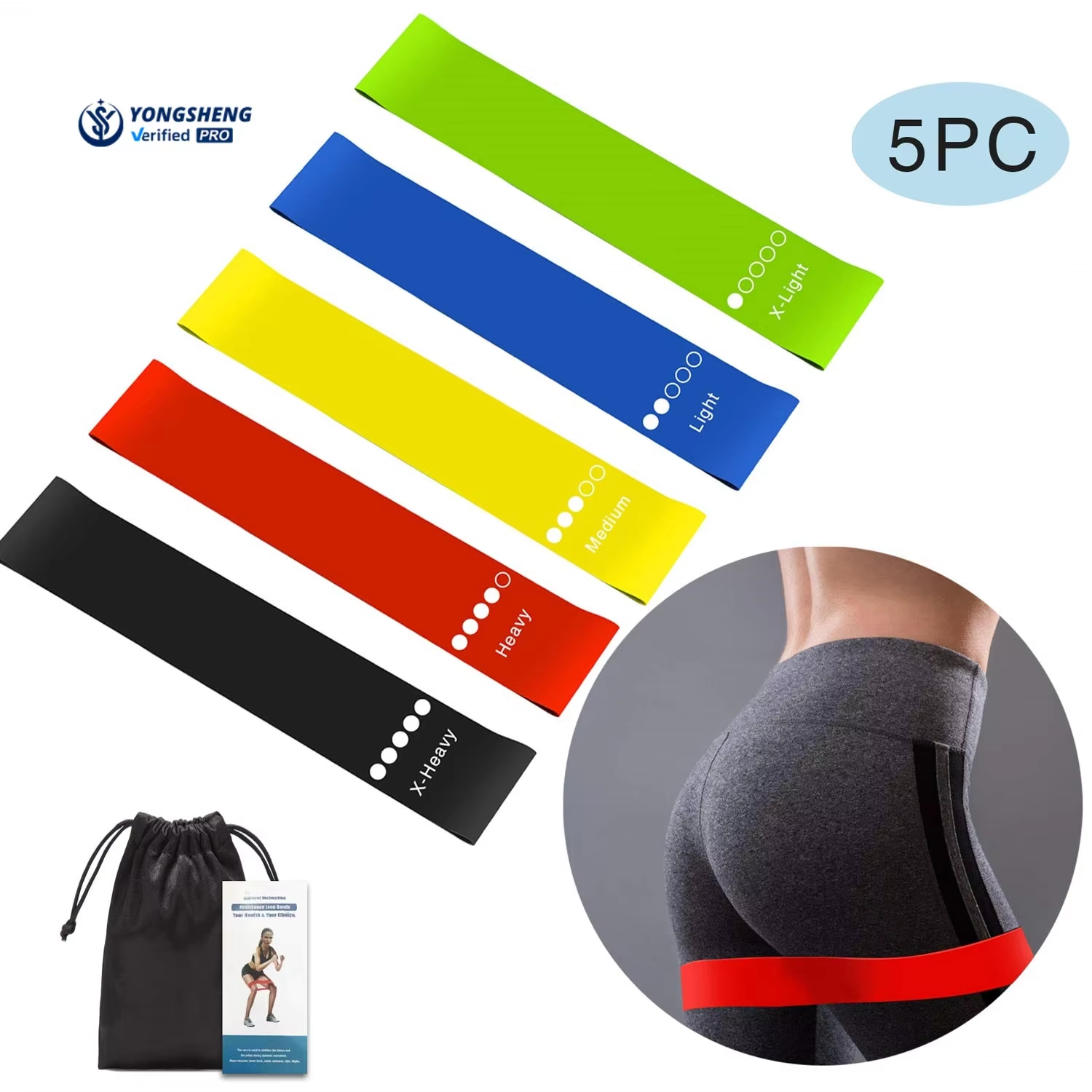
The Science Behind Mini Loop Bands and Core Activation
Biomechanical Principles of Resistance Band Training
Mini loop bands create accommodating resistance that increases throughout the range of motion, fundamentally altering the muscle activation patterns compared to traditional weight-based exercises. This variable resistance profile forces the core muscles to work harder at end ranges of motion where they are typically strongest, maximizing the training stimulus and promoting balanced strength development across all movement planes.
The elastic properties of mini loop bands require continuous muscle engagement to maintain control throughout each exercise, preventing the momentum-based cheating that often occurs with free weights. This sustained tension promotes greater time under tension for core muscles, leading to improved muscular endurance and enhanced neuromuscular coordination essential for functional stability.
Research demonstrates that resistance band exercises generate higher levels of electromyographic activity in stabilizing muscles compared to similar exercises performed without external resistance. The unstable nature of elastic resistance challenges proprioceptive systems, forcing the nervous system to recruit additional motor units and develop more refined movement patterns.
Neuromuscular Adaptations and Stability Enhancement
Mini loop bands stimulate the development of reactive stability by creating perturbations that require rapid neuromuscular responses from core muscles. This training effect is particularly valuable for athletes who must maintain postural control while executing complex movements under varying external forces and changing environmental conditions.
The multi-directional resistance provided by mini loop bands trains the core to function as an integrated unit rather than isolated muscle groups. This holistic approach to core training develops the coordinated muscle activation patterns necessary for efficient force transfer between the upper and lower body during functional movements.
Consistent training with mini loop bands promotes neural adaptations that improve intermuscular coordination and enhance the timing of muscle activations during complex movement sequences. These adaptations contribute to better movement efficiency and reduced compensatory patterns that can lead to injury over time.
Core Strength Enhancement Mechanisms
Deep Stabilizer Activation Strategies
Mini loop bands excel at activating the deep core stabilizers, including the transverse abdominis, multifidus, and pelvic floor muscles, which are often undertrained in conventional exercise programs. The constant tension provided by elastic resistance requires these deep muscles to engage continuously, promoting improved endurance and automatic activation patterns.
The positioning of mini loop bands around various body segments creates resistance vectors that challenge core stability from multiple angles simultaneously. This multi-planar loading pattern mimics the complex demands placed on the core during athletic activities and daily movements, resulting in more functional strength gains.
Progressive overload with mini loop bands can be achieved through multiple variables including band tension, exercise duration, movement speed, and complexity of movement patterns. This versatility allows for systematic progression that continues to challenge core muscles as strength and stability improve over time.
Force Production and Power Development
The elastic properties of mini loop bands create an optimal training environment for developing core power and explosive strength. The accommodating resistance profile allows muscles to work maximally throughout the entire range of motion, promoting power development at various joint angles and movement speeds.
High-velocity movements with mini loop bands train the rate of force development in core muscles, which is crucial for athletic performance and injury prevention during rapid direction changes or sudden loading conditions. This power training component is often missing from traditional core strengthening programs that focus primarily on isometric holds or slow, controlled movements.
The ability to perform ballistic movements safely with mini loop bands allows for sport-specific power training that translates directly to improved performance in activities requiring rapid core stabilization and force transfer between body segments.
Stability Exercise Applications and Progressions
Foundational Stability Patterns
Mini loop bands transform basic stability exercises into challenging, multi-dimensional training tools that address core stability deficits at their source. Simple exercises like modified planks become significantly more challenging when mini loop bands create additional resistance that must be overcome while maintaining proper spinal alignment and breathing patterns.
The integration of mini loop bands into bridging exercises creates dynamic stability challenges that engage both local and global core stabilizers simultaneously. These exercises can be progressed systematically by adjusting band placement, tension levels, and movement complexity to match individual fitness levels and training goals.
Unilateral loading patterns created by mini loop bands force the core to work asymmetrically, developing the stability strength necessary to handle real-world movement demands where perfect bilateral symmetry rarely exists. This training approach addresses stability deficits that contribute to movement compensations and injury risk.
Advanced Integration Techniques
Advanced practitioners can utilize mini loop bands to create complex, multi-joint stability challenges that integrate core training with functional movement patterns. These exercises simulate the demands of sport-specific activities while providing measurable resistance that allows for objective progression tracking.
The portability and versatility of mini loop bands enable the creation of comprehensive core stability circuits that can be performed in any environment. This accessibility ensures training consistency and allows for frequent reinforcement of proper movement patterns throughout the training week.
Reactive stability training with mini loop bands involves unpredictable resistance changes that challenge the nervous system's ability to maintain postural control under varying conditions. These exercises develop the adaptive capacity necessary for maintaining stability during unexpected perturbations or changes in external loading.
Implementation Strategies and Training Protocols
Program Design Considerations
Effective integration of mini loop bands into core training requires careful consideration of resistance levels, exercise selection, and progression strategies that align with individual fitness goals and current stability levels. The variable resistance characteristics of mini loop bands necessitate different programming approaches compared to traditional resistance training methods.
Training frequency with mini loop bands can be higher than conventional core training due to the reduced joint stress and enhanced recovery characteristics of elastic resistance. This allows for more frequent reinforcement of proper movement patterns and accelerated adaptation to stability challenges.
The integration of mini loop bands should follow logical progression patterns that systematically increase complexity while maintaining movement quality. This approach ensures that neuromuscular adaptations occur in a coordinated manner that supports functional improvement rather than creating isolated strength gains.
Performance Monitoring and Adjustment
Monitoring progress with mini loop bands requires assessment of both objective measures such as exercise duration and resistance levels, as well as subjective indicators including movement quality, fatigue patterns, and functional performance improvements. This comprehensive evaluation approach ensures that training adaptations align with performance goals.
The versatility of mini loop bands allows for real-time exercise modifications based on fatigue levels, movement quality, or specific training objectives. This adaptability makes mini loop bands particularly valuable for maintaining training consistency across varying circumstances and energy levels.
Regular reassessment of movement patterns and stability challenges ensures that mini loop bands training continues to provide appropriate stimuli for continued adaptation. The ability to easily modify resistance levels and exercise complexity allows for precise calibration of training loads to match evolving fitness levels.
FAQ
How do mini loop bands compare to traditional core strengthening methods for developing stability?
Mini loop bands provide superior stability training compared to traditional methods by creating variable resistance that challenges core muscles throughout entire movement ranges while simultaneously engaging proprioceptive systems. Unlike static holds or weight-based exercises, mini loop bands require continuous neuromuscular adjustments that develop reactive stability and functional strength patterns essential for real-world movement control.
What resistance level should beginners start with when using mini loop bands for core exercises?
Beginners should start with light to moderate resistance mini loop bands that allow for proper form maintenance throughout 10-15 repetitions or 30-45 second holds without compensation patterns. The focus should initially be on movement quality and neuromuscular coordination rather than maximum resistance, with progression occurring through increased duration, repetitions, or complexity before advancing to higher resistance levels.
Can mini loop bands effectively replace traditional core strengthening equipment?
Mini loop bands can serve as a comprehensive core training tool that addresses most stability and strength requirements, though they work best when integrated with other training methods rather than as complete replacements. Their unique ability to provide accommodating resistance and multi-planar challenges makes them particularly effective for functional stability training, while traditional equipment may still be valuable for specific strength-building or assessment purposes.
How frequently should mini loop bands be incorporated into core stability training routines?
Mini loop bands can be used 3-5 times per week due to their low-impact nature and enhanced recovery characteristics compared to traditional resistance training. The frequency depends on training goals, with stability maintenance requiring 2-3 sessions weekly, while active improvement and rehabilitation applications may benefit from daily integration with appropriate volume and intensity modifications to prevent overuse.
Table of Contents
- The Science Behind Mini Loop Bands and Core Activation
- Core Strength Enhancement Mechanisms
- Stability Exercise Applications and Progressions
- Implementation Strategies and Training Protocols
-
FAQ
- How do mini loop bands compare to traditional core strengthening methods for developing stability?
- What resistance level should beginners start with when using mini loop bands for core exercises?
- Can mini loop bands effectively replace traditional core strengthening equipment?
- How frequently should mini loop bands be incorporated into core stability training routines?