 EN
EN


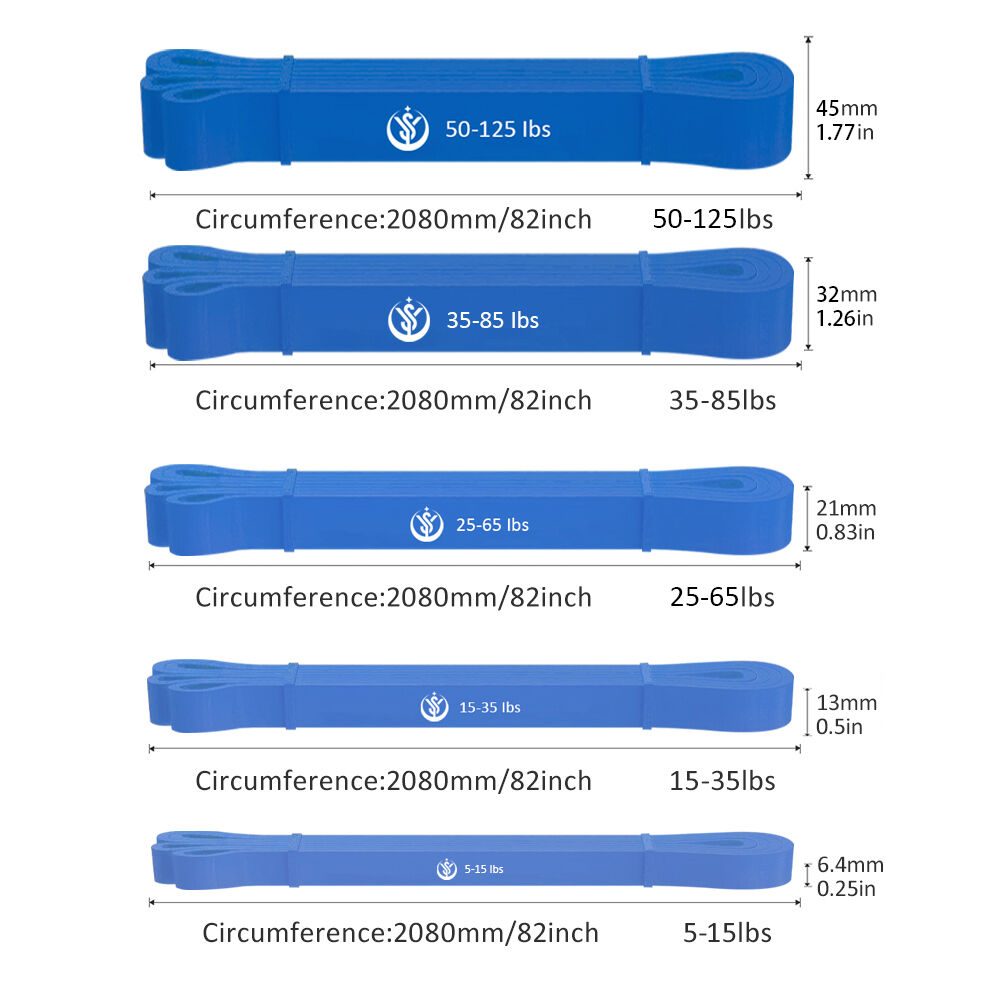
Group training sessions have revolutionized the fitness industry by offering cost-effective, motivating, and socially engaging workout experiences. Among the various equipment options available for group fitness, hip bands have emerged as one of the most versatile and effective tools for creating dynamic, inclusive workouts that cater to participants of all fitness levels. These resistance bands specifically designed for lower body training offer unique advantages that make them particularly well-suited for group environments, from bootcamp classes to specialized strength training sessions.
The popularity of hip bands in group training stems from their ability to enhance muscle activation while providing scalable resistance that accommodates diverse fitness levels within a single class. Unlike traditional weights or machines that require significant space and individual adjustments, hip bands create an efficient training environment where instructors can lead large groups through comprehensive lower body workouts. The compact nature of these bands allows fitness facilities to maximize their space utilization while offering effective resistance training to multiple participants simultaneously.

Enhanced Muscle Activation and Engagement
Targeted Glute Development
Hip bands excel at activating the gluteal muscles more effectively than many traditional exercises alone. When incorporated into group training sessions, these bands create constant tension throughout the entire range of motion, ensuring that participants maintain proper muscle engagement even during the eccentric phase of movements. Research has shown that hip bands can increase gluteal muscle activation by up to 40% compared to bodyweight exercises performed without resistance.
The lateral resistance provided by hip bands forces participants to work against the band's tension, which naturally promotes better hip stability and glute activation patterns. This is particularly beneficial in group settings where instructors need to ensure that all participants are effectively targeting their intended muscle groups, regardless of their individual strength levels or exercise experience.
Core Stability Integration
Group training with hip bands naturally incorporates core stability challenges that enhance the overall effectiveness of workouts. As participants perform exercises against the band's resistance, their core muscles must work harder to maintain proper posture and alignment. This integrated approach means that group fitness sessions become more comprehensive, targeting multiple muscle groups simultaneously while improving functional movement patterns.
The unstable nature of band resistance requires participants to engage their deep stabilizing muscles throughout each movement, creating a more dynamic and challenging workout experience. This constant engagement helps improve overall body awareness and coordination, skills that translate directly to better performance in daily activities and other forms of exercise.
Scalability and Accessibility Benefits
Accommodating Different Fitness Levels
One of the most significant advantages of using hip bands in group training is their ability to accommodate participants with vastly different fitness levels within the same session. The variable resistance of bands allows beginners to work with less tension while advanced participants can increase the challenge by adjusting their positioning or using multiple bands simultaneously.
This scalability eliminates the intimidation factor often associated with group fitness classes, as newer participants don't feel overwhelmed by equipment they cannot handle. Instructors can easily demonstrate modifications and progressions using the same hip bands, ensuring that everyone in the group receives an appropriate level of challenge while working toward similar fitness goals.
Low Impact Joint-Friendly Training
Hip bands provide an excellent option for group training participants who need low-impact exercise alternatives due to joint issues, injuries, or age-related concerns. The smooth, controlled resistance offered by bands reduces the stress on joints while still providing effective muscle strengthening and conditioning benefits that support long-term joint health and mobility.
In group settings, this joint-friendly approach allows instructors to include participants with various physical limitations or rehabilitation needs without compromising the intensity or effectiveness of the workout for other group members. The adaptable nature of band exercises means that modifications can be made on the spot to accommodate individual needs while maintaining the group dynamic.
Practical Implementation Advantages
Cost-Effective Equipment Investment
From a business perspective, hip bands represent an exceptionally cost-effective investment for fitness facilities offering group training programs. Unlike expensive weight machines or extensive dumbbell sets, a complete set of hip bands can equip an entire group class for a fraction of the cost while providing comparable training benefits for lower body development and functional movement improvement.
The durability and longevity of quality hip bands mean that fitness facilities can expect years of use from their initial investment, making them an attractive option for studios and gyms looking to expand their group training offerings without significant capital expenditure. Additionally, the low maintenance requirements and easy storage capabilities of hip bands reduce ongoing operational costs.
Space Efficiency and Portability
Group training sessions often face space constraints, particularly in urban fitness facilities where square footage comes at a premium. Hip bands address this challenge by requiring minimal storage space while enabling comprehensive full-body workouts in compact areas. A single storage container can hold enough hip bands to accommodate large group classes, freeing up valuable floor space for actual training activities.
The portability of hip bands also opens up opportunities for outdoor group training sessions, boot camps in parks, or traveling fitness programs. Instructors can easily transport multiple sets of bands to various locations, expanding their service offerings and providing clients with flexible training options that traditional gym equipment cannot match.
Safety and Injury Prevention
Controlled Resistance Patterns
Hip bands provide a unique safety advantage in group training environments by offering controlled, progressive resistance that reduces the risk of sudden injury from dropped weights or equipment malfunction. The elastic nature of bands means that resistance gradually increases through the range of motion, allowing participants to naturally adjust their effort levels and avoid sudden, jarring movements that could lead to injury.
In group settings where instructors must monitor multiple participants simultaneously, the inherent safety features of hip bands provide peace of mind while maintaining workout intensity. The bands' resistance characteristics naturally encourage proper form and controlled movements, helping participants develop better exercise technique while reducing the likelihood of form-related injuries.
Progressive Loading Benefits
The variable resistance curve of hip bands provides an ideal loading pattern for group training participants who are developing strength and movement competency. Unlike free weights that provide constant resistance, hip bands offer accommodating resistance that matches natural strength curves, providing lighter resistance at the beginning of movements when muscles are lengthened and increasing resistance as muscles reach their strongest positions.
This progressive loading pattern is particularly beneficial for group training environments where participants may have limited experience with resistance training. The bands naturally guide proper movement patterns while building strength throughout the full range of motion, creating a safer and more effective learning environment for developing proper exercise technique.
Motivation and Engagement Factors
Visual Feedback and Achievement
Hip bands provide immediate visual feedback that enhances motivation and engagement in group training sessions. Participants can clearly see the band stretching and feel the increasing resistance, creating a tangible sense of accomplishment and effort that may be less apparent with other forms of exercise equipment. This visual and tactile feedback helps maintain focus and intensity throughout the workout session.
The ability to see progress through increased band stretch or the use of higher resistance levels provides clear markers of improvement that participants can celebrate and track over time. This built-in progression system helps maintain long-term motivation and commitment to group training programs, leading to better retention rates and client satisfaction.
Social Interaction and Support
Group training with hip bands naturally promotes social interaction and mutual support among participants. The shared experience of working against band resistance, combined with the ability to easily observe and encourage others' efforts, creates a supportive community atmosphere that enhances the overall training experience and promotes long-term adherence to fitness programs.
The inclusive nature of hip bands training means that participants of different fitness levels can work together effectively, fostering relationships and accountability partnerships that extend beyond individual workout sessions. This social component is often cited as one of the primary benefits of group training, and hip bands facilitate these connections while delivering effective fitness results.
Programming Versatility and Creativity
Endless Exercise Variations
Hip bands offer virtually unlimited exercise possibilities that keep group training sessions fresh and engaging over time. From basic glute bridges and clamshells to complex multi-planar movements and plyometric exercises, the versatility of hip bands allows instructors to create diverse programming that challenges participants in new ways while targeting different movement patterns and muscle groups.
The ability to combine hip bands with bodyweight exercises, other equipment, or cardio intervals provides instructors with the flexibility to design comprehensive training sessions that address multiple fitness components simultaneously. This programming versatility helps prevent boredom and plateaus while ensuring that participants continue to see progress and remain engaged with their fitness journey.
Functional Movement Integration
Hip bands excel at facilitating functional movement patterns that translate directly to improved performance in daily activities and sports. Group training sessions can incorporate movements that mimic real-life activities while adding the resistance component that builds strength and stability in these functional patterns, creating workouts that provide practical benefits beyond the gym environment.
The three-dimensional movement possibilities with hip bands allow instructors to design sessions that address movement in all planes of motion, improving overall mobility, stability, and strength in ways that traditional gym equipment often cannot achieve. This functional approach resonates with participants who want fitness training that enhances their quality of life and daily performance.
FAQ
How do hip bands compare to other resistance training equipment for group sessions
Hip bands offer superior versatility and safety compared to traditional weights or machines in group settings. They provide variable resistance that accommodates all fitness levels simultaneously, require minimal space and setup time, and eliminate the risk of dropped weights or equipment-related injuries. Unlike resistance machines that isolate single muscle groups, hip bands promote functional movement patterns and integrate multiple muscle groups, making them ideal for comprehensive group workouts that maximize training time and effectiveness.
What safety considerations should instructors keep in mind when using hip bands in group training
Instructors should regularly inspect hip bands for wear, tears, or weak points that could cause failure during use. Proper band selection based on participant fitness levels is crucial, and instructors should demonstrate correct positioning to prevent bands from rolling or slipping during exercises. Clear instruction on controlled movements and gradual progression helps prevent overexertion, while teaching participants to recognize signs of band fatigue or degradation ensures continued safe use throughout training sessions.
How can group training programs effectively integrate hip bands with other equipment
Hip bands integrate seamlessly with bodyweight exercises, dumbbells, kettlebells, and stability balls to create hybrid training circuits. They can be used during warm-up activation sequences, incorporated into strength training supersets, or combined with cardio intervals for metabolic conditioning. The key is to use hip bands strategically to enhance existing exercises or fill gaps in movement patterns, rather than simply adding them to every exercise, ensuring that their inclusion serves a specific training purpose.
What are the long-term benefits of consistent hip band training in group settings
Regular hip band training in group settings leads to improved hip stability, enhanced glute activation patterns, and better overall lower body strength and function. Participants typically experience reduced lower back pain, improved posture, and enhanced athletic performance in other activities. The social support and accountability provided by group training environments help maintain consistency, leading to sustainable fitness habits and long-term health improvements that extend well beyond the immediate workout benefits.
Table of Contents
- Enhanced Muscle Activation and Engagement
- Scalability and Accessibility Benefits
- Practical Implementation Advantages
- Safety and Injury Prevention
- Motivation and Engagement Factors
- Programming Versatility and Creativity
-
FAQ
- How do hip bands compare to other resistance training equipment for group sessions
- What safety considerations should instructors keep in mind when using hip bands in group training
- How can group training programs effectively integrate hip bands with other equipment
- What are the long-term benefits of consistent hip band training in group settings