 EN
EN


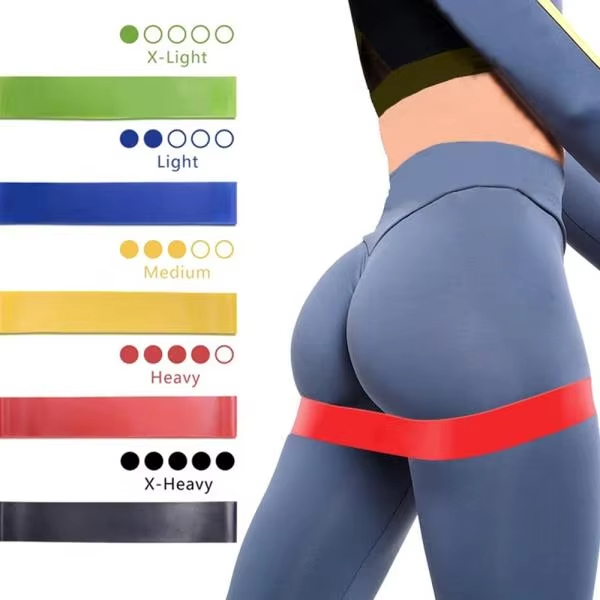
Hip bands have revolutionized the fitness and rehabilitation industry by providing a versatile, low-impact solution for strengthening and mobility training. These elastic resistance tools offer unique benefits that traditional weights cannot match, making them essential equipment for physical therapists, fitness professionals, and individuals seeking effective functional movement patterns. The growing popularity of hip bands stems from their ability to target specific muscle groups while promoting proper biomechanical alignment and movement quality. Understanding how hip bands contribute to functional and rehabilitation exercises reveals their significant impact on recovery, performance enhancement, and injury prevention across diverse populations.
Understanding the Biomechanical Benefits of Hip Bands
Muscle Activation and Recruitment Patterns
Hip bands excel at activating dormant muscle groups that often remain underutilized during conventional exercises. The constant tension provided by these resistance tools ensures continuous muscle engagement throughout the entire range of motion, unlike free weights that may lose resistance at certain points. This consistent activation pattern helps develop neuromuscular control and improves the coordination between primary movers and stabilizing muscles. Research demonstrates that hip bands effectively target the gluteus medius, gluteus maximus, and deep hip stabilizers, which are crucial for maintaining proper hip alignment and preventing compensatory movement patterns.
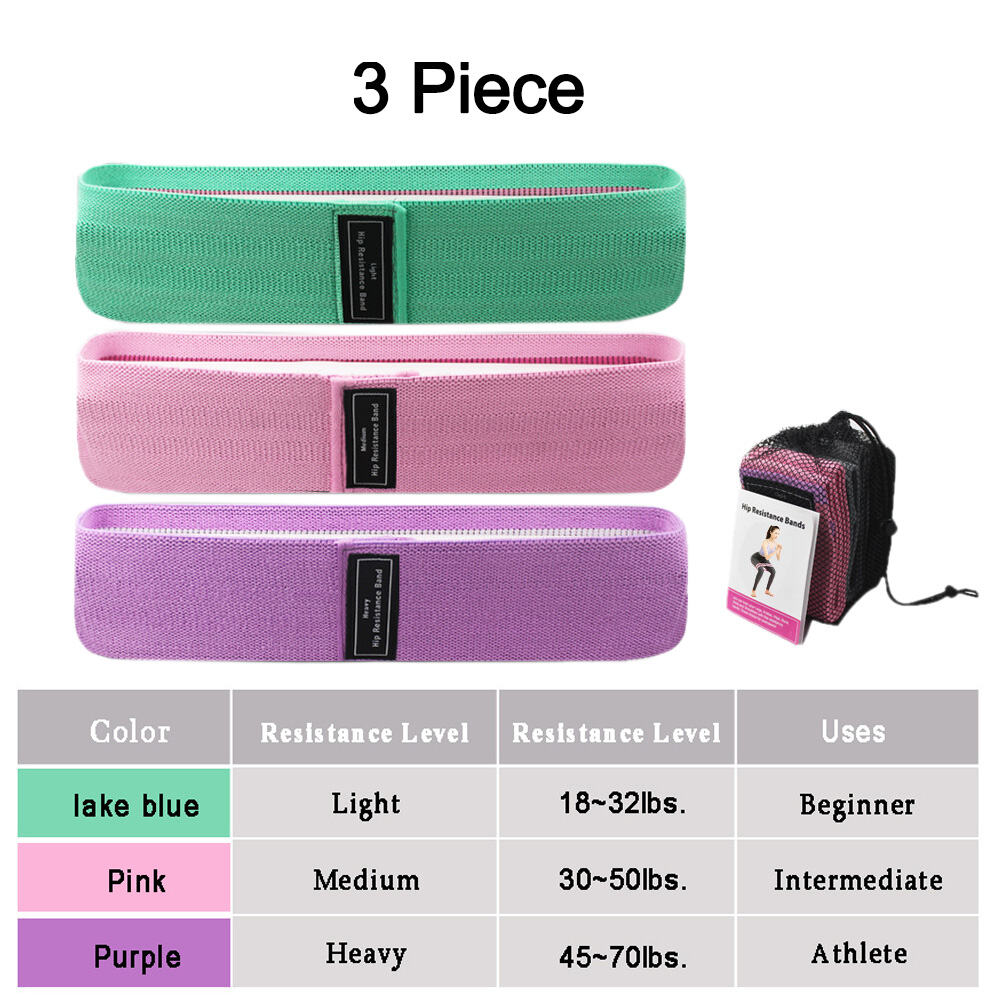
The unique resistance curve of hip bands provides variable tension that increases as the band stretches, creating peak muscle activation at end ranges of motion. This characteristic proves particularly beneficial for addressing muscle imbalances and weakness patterns commonly observed in sedentary populations. The progressive resistance challenges muscles differently than traditional weights, promoting strength development across multiple joint angles and movement planes. Additionally, hip bands facilitate better mind-muscle connection, allowing users to feel and understand proper muscle activation patterns during therapeutic exercises.
Joint Stability and Proprioceptive Enhancement
The unstable nature of resistance bands inherently challenges proprioceptive systems, forcing the body to develop better balance and coordination. When performing exercises with hip bands, multiple muscle groups must work synergistically to control the unpredictable forces generated by the elastic resistance. This coordinated effort strengthens the deep stabilizing muscles surrounding the hip joint, improving overall joint stability and reducing injury risk. The proprioceptive benefits extend beyond the hip region, influencing core stability and lower extremity alignment throughout functional movement patterns.
Hip bands create perturbations that require constant micro-adjustments from the neuromuscular system, enhancing reactive stability and movement control. These adaptations translate directly to improved performance in daily activities and sports-specific movements. The enhanced proprioceptive awareness developed through hip band training helps individuals maintain proper movement mechanics even when fatigued or distracted, reducing the likelihood of injury-causing movement compensations.
Rehabilitation Applications and Therapeutic Benefits
Post-Injury Recovery and Movement Restoration
In rehabilitation settings, hip bands serve as invaluable tools for gradually reintroducing movement patterns following injury or surgery. The adjustable resistance levels allow therapists to carefully progress patients from initial mobility work through strength building phases. Early-stage rehabilitation often requires minimal resistance to avoid aggravating healing tissues, and hip bands provide the perfect solution with their ability to deliver gentle, controlled resistance. This gradual loading approach helps restore normal movement patterns while respecting tissue healing timelines and patient tolerance levels.
The versatility of hip bands allows for exercise modifications that accommodate various functional limitations and pain presentations. Therapists can easily adjust resistance levels, range of motion, and exercise complexity based on individual patient needs and recovery stages. This adaptability proves crucial when working with diverse injury types, from acute strains to chronic conditions requiring long-term management strategies.
Addressing Movement Dysfunctions and Compensations
Many individuals develop movement compensations due to muscle imbalances, previous injuries, or prolonged postural stress. Hip bands provide an effective means of addressing these dysfunctional patterns by selectively strengthening weak muscles while promoting proper movement sequencing. The resistance bands help break compensatory patterns by providing external cues that guide correct movement execution. When properly implemented, hip band exercises can reshape movement habits and restore optimal biomechanical function.
The corrective benefits of hip bands extend to addressing common issues such as knee valgus, hip drop, and excessive forward lean during functional movements. By strengthening the gluteal complex and improving hip stability, these exercises help individuals develop more efficient movement strategies that reduce joint stress and improve performance. The immediate feedback provided by the band's resistance helps users understand and feel proper movement patterns, accelerating the motor learning process essential for lasting movement improvements.
Functional Movement Enhancement and Performance Applications
Sport-Specific Training Applications
Athletes across various sports benefit from incorporating hip bands into their training regimens due to the functional nature of the movements they facilitate. The multi-planar resistance provided by these tools closely mimics the demands placed on the hip complex during athletic activities. Hip bands allow for sport-specific movement pattern training that develops strength and stability in positions commonly encountered during competition. This specificity principle enhances transfer of training adaptations to actual performance scenarios.
The portable nature of hip bands makes them ideal for warm-up routines, activation protocols, and conditioning sessions both in-facility and during travel. Many professional sports teams have integrated hip band protocols into their daily preparation routines to optimize athletic performance and reduce injury rates. The ability to target specific movement patterns and muscle activation sequences helps athletes develop the strength and coordination necessary for peak performance while maintaining joint health throughout demanding training cycles.
Daily Living and Functional Independence
For older adults and individuals recovering from illness or injury, hip bands offer a safe and effective means of maintaining or regaining functional independence. The exercises performed with these tools directly translate to activities of daily living such as rising from chairs, climbing stairs, and maintaining balance during walking. Regular hip band training helps preserve muscle mass, bone density, and neuromuscular coordination that naturally decline with aging or inactivity.
The low-impact nature of hip band exercises makes them suitable for individuals with joint restrictions or conditions that preclude high-intensity training. These tools provide sufficient challenge to stimulate positive adaptations without placing excessive stress on vulnerable structures. The progressive nature of band training allows for gradual advancement as strength and function improve, supporting long-term adherence to exercise programs essential for maintaining functional capacity.
Integration Strategies and Programming Considerations
Exercise Selection and Progression Protocols
Effective hip band programming requires careful consideration of exercise selection, progression strategies, and individual patient or client needs. Initial assessments should identify specific movement limitations, strength deficits, and functional goals to guide appropriate exercise prescription. Beginning with basic movements such as side-stepping, clamshells, and bridges allows individuals to develop fundamental movement patterns before advancing to more complex exercises. The progression should emphasize quality of movement over quantity, ensuring proper form is maintained throughout the rehabilitation or training process.
Advanced progressions can incorporate multi-planar movements, unstable surfaces, and complex movement patterns that challenge the hip complex in more demanding ways. Hip bands can be combined with other training tools and modalities to create comprehensive programs that address multiple aspects of physical function. The key to successful progression lies in systematic advancement that respects individual limitations while providing appropriate challenges to stimulate continued adaptation and improvement.
Dosage and Frequency Recommendations
Optimal dosing of hip band exercises depends on the intended outcomes, individual characteristics, and current fitness levels. For rehabilitation purposes, daily exercise sessions may be appropriate during early recovery phases, with frequency adjusting as function improves. Strength training applications typically follow traditional periodization principles, with 2-3 sessions per week allowing adequate recovery between training bouts. The relatively low load nature of hip band exercises often permits higher training frequencies compared to heavy resistance training.
Session duration and intensity should be carefully monitored to prevent overuse injuries while ensuring sufficient stimulus for adaptation. Hip bands provide valuable biofeedback through the resistance encountered, helping users gauge appropriate effort levels throughout exercise sessions. This inherent feedback mechanism supports safe and effective training progression while minimizing the risk of excessive loading that could impede recovery or cause setbacks in training adaptations.
Scientific Evidence and Research Support
Clinical Research Findings
Extensive research has validated the effectiveness of hip bands in various therapeutic and performance enhancement applications. Studies consistently demonstrate significant improvements in muscle strength, particularly in the gluteal complex and hip stabilizing muscles following structured hip band training programs. Research has shown that hip bands can produce strength gains comparable to traditional weight training while offering additional benefits in terms of muscle activation patterns and functional movement quality.
Clinical trials have documented the effectiveness of hip bands in treating common conditions such as patellofemoral pain syndrome, IT band syndrome, and hip impingement. The research consistently supports the use of these tools as primary interventions for addressing movement-related pain and dysfunction. Meta-analyses of resistance band training studies reveal effect sizes that support their inclusion in evidence-based treatment protocols for various musculoskeletal conditions affecting the hip and lower extremity.
Biomechanical Analysis and Movement Science
Sophisticated biomechanical analyses using motion capture technology and electromyography have provided detailed insights into how hip bands influence movement patterns and muscle recruitment strategies. These studies reveal that hip bands create unique loading conditions that preferentially activate weak or inhibited muscles while promoting more balanced muscle recruitment patterns. The research demonstrates that hip band exercises can effectively address common movement compensations and restore more optimal biomechanical function.
Three-dimensional movement analysis has shown that hip bands help improve movement quality metrics such as knee alignment, hip stability, and overall kinetic chain coordination. These findings support the use of hip bands not only for strengthening purposes but also as tools for movement education and biomechanical correction. The research continues to expand our understanding of how elastic resistance training influences neuromuscular control and movement efficiency across diverse populations.
FAQ
How often should hip bands be used for rehabilitation purposes
For rehabilitation applications, hip bands can typically be used daily during the early phases of recovery, with frequency adjusting based on tissue healing and functional improvement. Most rehabilitation protocols recommend starting with daily sessions of 10-15 minutes, gradually increasing duration and intensity as tolerated. The low-impact nature of hip band exercises generally allows for higher training frequencies compared to traditional resistance training, but individual tolerance and response should guide specific programming decisions.
What resistance level should beginners start with when using hip bands
Beginners should start with light resistance hip bands that allow for full range of motion without compromising exercise form or causing excessive fatigue. The initial resistance should permit 15-20 repetitions of basic exercises while maintaining proper technique throughout the movement. As strength and movement quality improve, resistance can be progressively increased by using thicker bands or creating more tension through positioning adjustments. The goal is to challenge the muscles appropriately while ensuring movement quality remains the primary focus.
Can hip bands replace traditional weight training for lower body strengthening
While hip bands provide excellent training stimulus and unique benefits, they work best as part of a comprehensive training program rather than a complete replacement for traditional weights. Hip bands excel at targeting stabilizing muscles, improving movement patterns, and providing variable resistance that complements the constant load of free weights. Many fitness professionals recommend using hip bands alongside traditional training methods to maximize strength development and movement quality improvements across all training phases.
Are there any contraindications or precautions when using hip bands
Hip bands are generally safe for most individuals, but certain conditions may require modifications or precautions. Individuals with acute injuries, severe joint restrictions, or specific medical conditions should consult healthcare providers before beginning hip band training programs. Proper band selection, exercise technique, and progression are essential for preventing overuse injuries or aggravation of existing conditions. Regular assessment of exercise tolerance and appropriate rest periods help ensure safe and effective training outcomes for all users.