 EN
EN


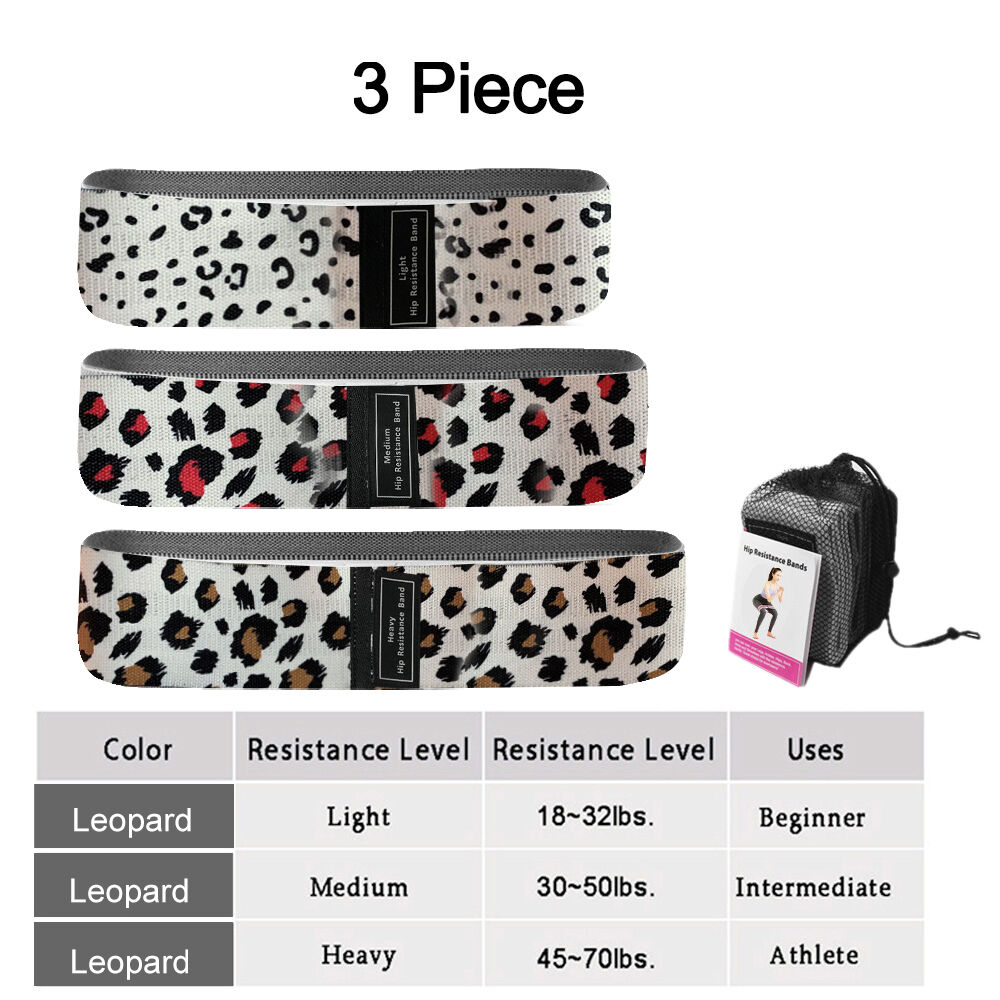
Selecting the right hip bands requires understanding how different resistance levels, material properties, and design features align with specific fitness experience stages. Whether you're a complete beginner taking your first steps into resistance training or an advanced athlete seeking to intensify glute activation, the wrong hip bands choice can lead to ineffective workouts, potential injury, or rapid equipment degradation. Smart buyers recognize that hip bands selection extends far beyond simply choosing the cheapest option available online.
The fitness industry has witnessed explosive growth in resistance band training, with hip bands becoming essential equipment for home gyms, rehabilitation centers, and professional training facilities. However, the market floods buyers with countless options, each claiming superiority through marketing rhetoric rather than practical application guidance. Understanding how to match hip bands characteristics with individual fitness experience levels becomes crucial for achieving desired training outcomes while maintaining safety and equipment longevity.
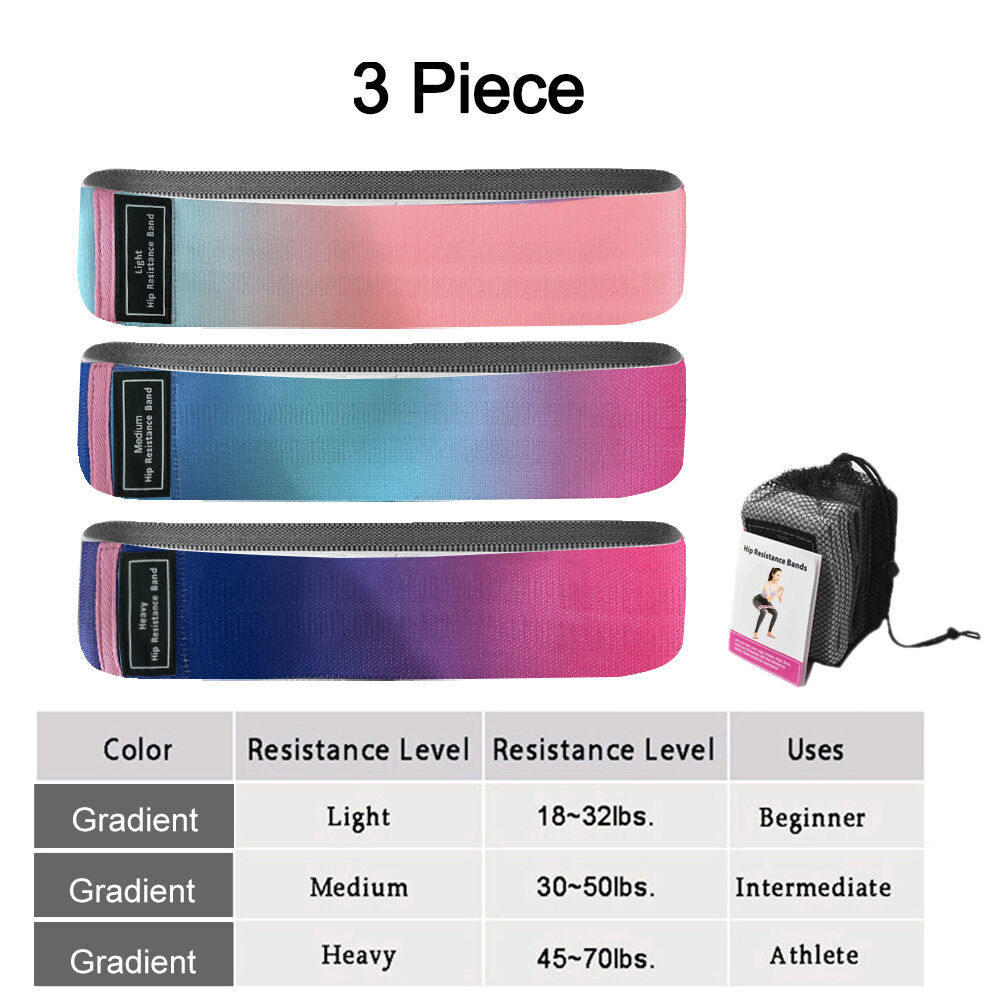
Understanding Resistance Levels for Different Experience Stages
Beginner-Appropriate Resistance Selection
Beginner fitness enthusiasts require hip bands that provide gentle resistance introduction without overwhelming their developing muscle memory and strength foundations. Light resistance hip bands typically offer 10-15 pounds of tension, allowing newcomers to focus on proper form execution rather than battling excessive resistance that compromises technique. These entry-level options enable beginners to complete full range-of-motion exercises while building confidence in their movement patterns.
First-time hip bands users should prioritize comfort during extended wear periods, as initial workouts often involve longer learning phases with frequent position adjustments. Fabric-based hip bands with wider contact surfaces distribute pressure more evenly across the skin compared to narrow latex alternatives, reducing discomfort during 20-30 minute beginner sessions. The psychological comfort factor significantly impacts adherence rates among new exercisers who might abandon their fitness routine if early experiences prove uncomfortable or frustrating.
Durability considerations become particularly important for beginners who may unknowingly subject their hip bands to improper storage, stretching beyond recommended limits, or exposure to sharp objects during learning phases. Quality beginner hip bands should withstand common handling mistakes without immediate failure, providing reasonable forgiveness for users still developing proper equipment care habits.
Intermediate User Requirements
Intermediate fitness practitioners typically possess 6-12 months of consistent resistance training experience and require hip bands that challenge their improved strength levels while supporting exercise progression. Medium resistance hip bands offering 15-25 pounds of tension provide appropriate challenge for users who have mastered basic movement patterns and seek to intensify their training stimulus without jumping to advanced resistance levels prematurely.
Intermediate users benefit from hip bands featuring multiple resistance options within single sets, allowing workout variation without purchasing separate products. Three-band sets with light, medium, and heavy resistance levels enable progressive overload application as strength improvements occur over time. This versatility proves economically advantageous while supporting continued fitness development through varied training approaches.
Exercise variety becomes increasingly important for intermediate users seeking to prevent training plateaus and maintain motivation through diverse workout experiences. Hip bands designed with intermediate users in mind often feature additional anchor points, varied widths, or specialized grip areas that enable expanded exercise repertoires beyond basic glute bridges and lateral walks.
Advanced Athlete Specifications
Advanced fitness enthusiasts and professional athletes require hip bands capable of delivering maximum resistance levels while maintaining structural integrity under intense training conditions. Heavy resistance hip bands providing 25-40 pounds or more of tension challenge well-developed musculature while supporting explosive movement training, plyometric exercises, and high-intensity interval protocols.
Professional-grade hip bands must withstand frequent use, aggressive stretching, and potential exposure to various environmental conditions found in commercial gyms, outdoor training areas, or travel scenarios. Advanced users often train daily or multiple times per day, requiring equipment that maintains consistent resistance properties despite extensive use cycles that would quickly degrade inferior products.
Advanced practitioners frequently incorporate hip bands into complex movement patterns, combination exercises, and sport-specific training sequences that demand superior material flexibility and recovery characteristics. The bands must return to original dimensions quickly between repetitions while maintaining consistent resistance curves throughout extended training sessions lasting 45-60 minutes or longer.
Material Composition and Construction Quality Factors
Fabric vs Latex Performance Characteristics
Fabric hip bands offer superior comfort and durability characteristics that particularly benefit beginners and intermediate users prioritizing extended wear periods and frequent use cycles. The wider surface area distribution reduces pressure concentration points while providing consistent resistance throughout the full range of motion. Fabric construction typically incorporates elastic cores wrapped in comfortable textile materials that resist rolling, bunching, or sliding during dynamic movements.
Latex hip bands deliver maximum resistance potential and precise tension control preferred by advanced users seeking specific resistance curves for targeted muscle activation. The elastic properties of quality latex enable rapid return to original dimensions between repetitions while maintaining consistent resistance characteristics over thousands of stretch cycles. However, latex materials require more careful maintenance and may cause discomfort during extended contact periods for users with sensitive skin.
Hybrid construction approaches combine fabric comfort with latex performance, featuring latex resistance cores wrapped in fabric sheaths that provide skin-friendly surfaces while maintaining superior elastic properties. These premium hip bands typically command higher prices but offer balanced performance suitable for users transitioning between experience levels or those prioritizing both comfort and performance attributes.
Durability and Longevity Considerations
Hip bands durability directly correlates with manufacturing quality, material selection, and construction techniques employed during production. Reinforced stitching at stress concentration points prevents premature failure during high-tension exercises or aggressive stretching movements. Double-layered fabric construction provides additional tear resistance while maintaining flexibility required for proper exercise execution.
Temperature stability becomes crucial for users training in varied environmental conditions or storing equipment in non-climate-controlled spaces. Quality hip bands maintain consistent performance characteristics across temperature ranges from freezing outdoor conditions to heated indoor studios, while inferior products become brittle in cold conditions or overly elastic in high heat environments.
Chemical resistance properties protect hip bands from degradation caused by cleaning solutions, personal care products, or environmental contaminants encountered during regular use. Antimicrobial treatments incorporated into fabric materials prevent odor development and bacterial growth during intensive training sessions, particularly important for users engaging in high-sweat activities or sharing equipment in group settings.
Safety Features and Risk Mitigation
Anti-Slip Technology Integration
Anti-slip surface treatments prevent hip bands from rolling or shifting during exercises, maintaining proper positioning for effective muscle activation while reducing injury risk from sudden equipment displacement. Silicone grip strips, textured fabric surfaces, or specialized weaving patterns provide enhanced friction against skin or clothing surfaces without causing discomfort during movement transitions.
Grip technology becomes particularly important for advanced users performing explosive movements, plyometric exercises, or high-speed training sequences where equipment displacement could cause falls, muscle strains, or exercise form breakdown. Consistent band positioning enables proper biomechanical alignment throughout movement ranges while supporting progressive training advancement without safety compromises.
Anti-slip features must balance grip effectiveness with skin comfort, particularly for users with sensitive skin or those training in humid conditions where excessive friction could cause chafing or irritation. Quality anti-slip treatments provide secure positioning without creating uncomfortable hot spots during extended training sessions or multiple exercise transitions.
Load Capacity and Safety Margins
Manufacturers should clearly specify maximum load capacities for their hip bands, enabling users to select appropriate resistance levels while maintaining adequate safety margins during intensive training. Overloading hip bands beyond design specifications increases failure risk while potentially causing injury from sudden equipment breakage during exercise execution.
Safety factor integration into hip bands design provides protection against unexpected loading conditions, manufacturing variations, or material degradation over time. Quality hip bands typically incorporate 2-3 times safety factors above stated working loads, ensuring reliable performance even when subjected to aggressive use patterns or minor manufacturing defects that might compromise inferior products.
Visual inspection guidelines help users identify potential safety concerns before they result in equipment failure during training. Clear indicators of wear, stress concentration, or material degradation enable proactive replacement decisions that prevent injury while maintaining training continuity through planned equipment updates rather than emergency replacements.
Sizing and Fit Optimization
Circumference Selection Guidelines
Proper hip bands sizing ensures optimal resistance delivery while preventing circulation restriction, skin irritation, or exercise limitation due to improper fit characteristics. Circumference measurements should account for both relaxed and tensioned dimensions, as hip bands must accommodate natural body expansion during exercise while maintaining effective resistance throughout movement ranges.
Body type variations require different sizing approaches, with consideration for muscle mass distribution, bone structure differences, and individual comfort preferences affecting optimal fit selection. Athletes with heavily muscled thighs may require larger circumferences than suggested by standard sizing charts, while individuals with smaller frames might achieve better results with smaller sizes that provide appropriate resistance without excessive material bulk.
Adjustability features enable fine-tuning of fit characteristics after initial sizing selection, providing versatility for users experiencing body composition changes, sharing equipment among multiple individuals, or adapting to different exercise requirements. Velcro closures, snap systems, or sliding buckles allow customization while maintaining secure positioning during dynamic movements.
Multi-User Considerations
Facilities serving multiple users require hip bands sizing strategies that accommodate diverse body types while maintaining inventory efficiency and equipment longevity. Size range selection should cover typical user populations while avoiding excessive inventory complexity that complicates equipment management and increases replacement costs.
Hygiene considerations become paramount when hip bands serve multiple users, requiring materials and construction techniques that support frequent cleaning without degradation while maintaining comfort for successive users. Antimicrobial treatments, smooth surface finishes, and chemical-resistant materials enable effective sanitization protocols without compromising equipment performance or longevity.
Storage and organization systems should support easy size identification, proper equipment hygiene, and efficient distribution among users. Color-coding systems, clear sizing labels, and organized storage solutions reduce confusion while supporting proper equipment selection and maintenance procedures in multi-user environments.
FAQ
How do beginners determine their starting resistance level for hip bands?
Beginners should start with light resistance hip bands offering 10-15 pounds of tension, allowing focus on proper form development rather than battling excessive resistance. Test the band by performing basic glute bridges - if you can complete 15-20 repetitions with proper form while feeling moderate muscle engagement in the final few reps, the resistance level is appropriate. If the movement feels too easy throughout the entire set, progress to medium resistance, but never sacrifice form for heavier resistance during the learning phase.
What material differences should intermediate users consider when upgrading their hip bands?
Intermediate users should evaluate fabric versus latex construction based on their training frequency and exercise variety preferences. Fabric hip bands provide superior comfort for longer training sessions and offer better durability for frequent use, while latex bands deliver more precise resistance control and higher maximum tension levels. Consider hybrid construction options that combine fabric comfort with latex performance if budget allows, as these provide balanced characteristics suitable for progressive training advancement.
How often should advanced athletes replace their hip bands equipment?
Advanced athletes using hip bands daily or multiple times per week should inspect equipment monthly for signs of wear, stress concentration, or material degradation. Replace bands showing visible thinning, surface cracking, or inconsistent resistance delivery, typically occurring after 6-12 months of intensive use depending on training volume and equipment quality. Maintain backup sets to avoid training interruption when primary equipment requires replacement, and consider rotating between multiple sets to extend overall equipment lifespan.
Can hip bands sizing accommodate significant body composition changes over time?
Quality hip bands with adjustable features can accommodate moderate body composition changes, typically within 2-4 inches of circumference variation through weight loss, muscle gain, or natural body fluctuations. However, significant changes exceeding this range may require new sizing selection for optimal performance and safety. Choose hip bands with adjustment mechanisms like Velcro closures or sliding systems if you anticipate body changes, and reassess sizing every 3-6 months during active fitness programs to ensure continued proper fit and effectiveness.
Table of Contents
- Understanding Resistance Levels for Different Experience Stages
- Material Composition and Construction Quality Factors
- Safety Features and Risk Mitigation
- Sizing and Fit Optimization
-
FAQ
- How do beginners determine their starting resistance level for hip bands?
- What material differences should intermediate users consider when upgrading their hip bands?
- How often should advanced athletes replace their hip bands equipment?
- Can hip bands sizing accommodate significant body composition changes over time?