 EN
EN


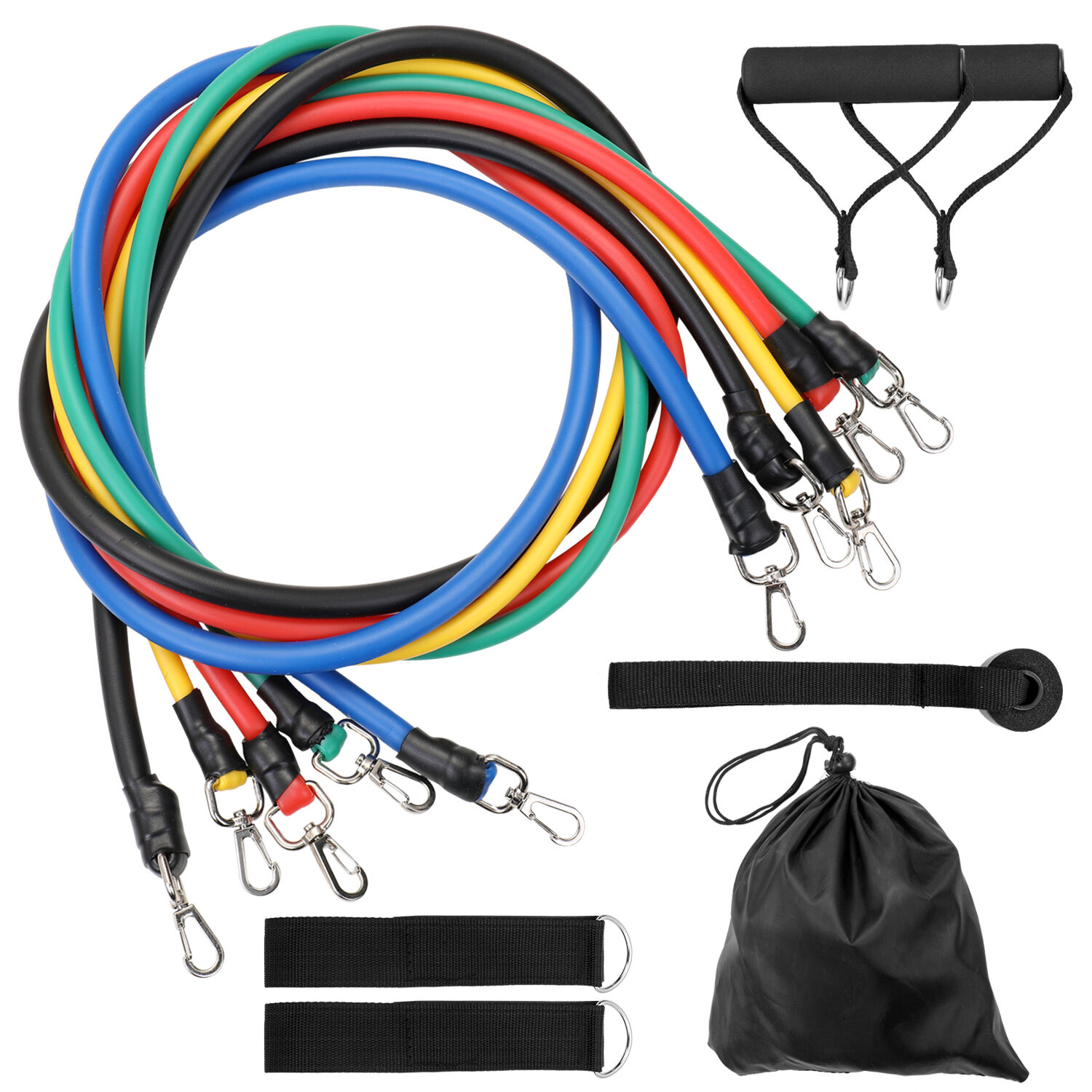
Physical therapy and recovery programs have evolved significantly over recent decades, incorporating innovative tools that enhance patient outcomes while maintaining cost-effectiveness and accessibility. Among these therapeutic instruments, resistance tubes have emerged as fundamental components in rehabilitation settings, offering versatile applications that address diverse recovery needs across multiple patient populations. These elastic exercise tools provide controlled resistance training that supports gradual strength building, functional movement restoration, and pain management throughout various stages of the healing process.
The integration of resistance tubes into therapeutic protocols represents a paradigm shift toward patient-centered rehabilitation approaches that emphasize active participation, progressive loading, and functional movement patterns. Physical therapists utilize these tools to bridge the gap between passive treatment modalities and full functional recovery, creating customized exercise programs that accommodate individual limitations while promoting steady advancement toward recovery goals. Understanding the specific roles these devices play in therapy and recovery processes reveals their essential contribution to modern rehabilitation practices and patient success rates.
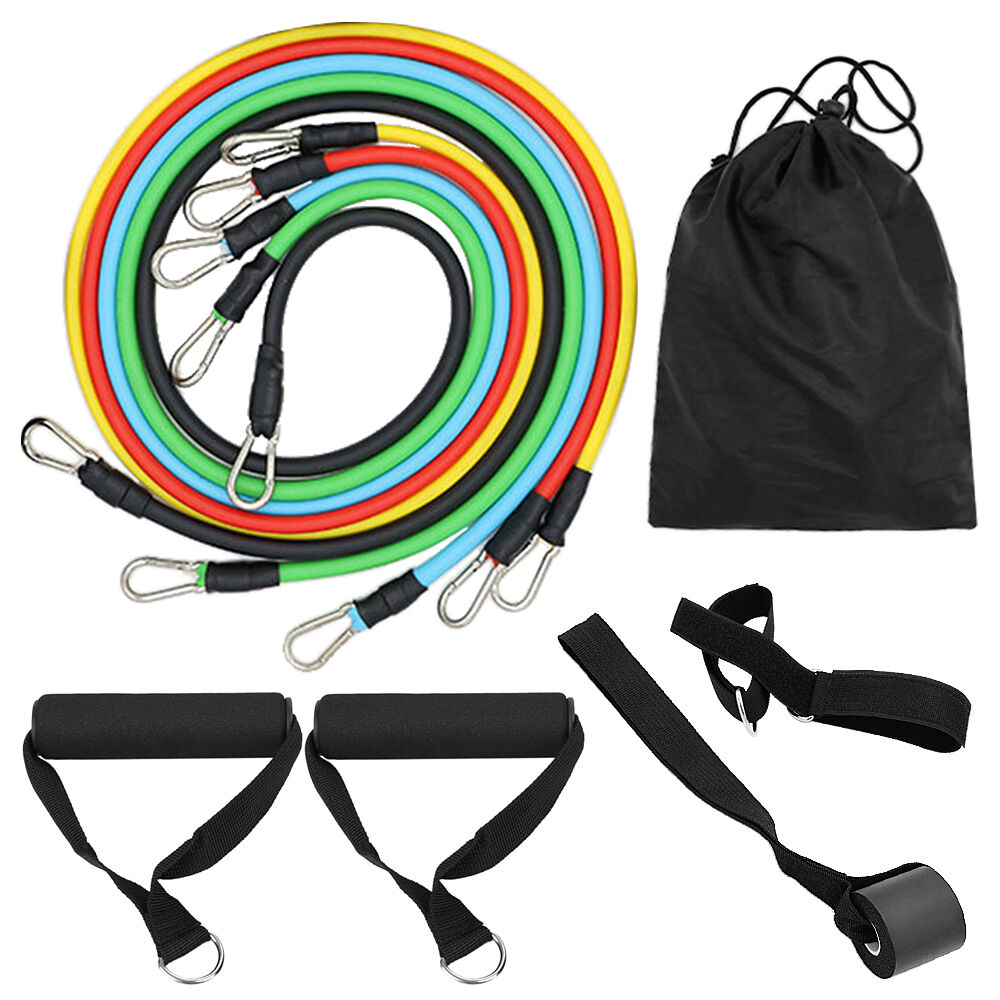
Fundamental Therapeutic Applications of Resistance Tubes
Muscle Strengthening and Conditioning
Resistance tubes serve as primary tools for progressive muscle strengthening throughout rehabilitation programs, offering variable resistance levels that accommodate patients at different recovery stages. Physical therapists select appropriate tube resistance based on individual strength assessments, injury severity, and recovery timeline requirements. The elastic properties of resistance tubes provide accommodating resistance that increases tension as the tube stretches, promoting muscle activation patterns that closely mimic functional movement demands.
The versatility of resistance tubes enables targeted strengthening of specific muscle groups while maintaining joint safety through controlled range of motion exercises. Therapists can easily modify resistance levels by adjusting tube length, combining multiple tubes, or selecting different resistance grades to match patient capabilities. This adaptability ensures continuous progression without requiring expensive equipment changes or complex setup procedures, making strength training accessible throughout various treatment phases.
Progressive overload principles integrate seamlessly with resistance tube training, allowing therapists to gradually increase exercise intensity as patients demonstrate improved strength and endurance. The linear variable resistance characteristic of these tools provides optimal loading patterns that challenge muscles throughout their full range of motion, promoting comprehensive strength development that translates effectively to functional activities and daily living tasks.
Range of Motion Restoration
Resistance tubes play crucial roles in restoring joint mobility and flexibility following injury or surgical procedures, providing gentle assistance or resistance during range of motion exercises. Physical therapists utilize these tools to facilitate passive, active-assisted, and active range of motion activities that gradually restore normal joint function while respecting tissue healing constraints. The elastic properties of resistance tubes offer consistent tension that supports controlled movement patterns without imposing excessive stress on healing structures.
Joint-specific applications of resistance tubes address mobility limitations across various anatomical regions, from shoulder girdle rehabilitation to lower extremity flexibility restoration. Therapists can position tubes to provide assistance during difficult movement phases while offering resistance during stronger movement directions, creating balanced mobility training that addresses both flexibility and strength components simultaneously. This dual-purpose approach accelerates recovery timelines while ensuring comprehensive joint function restoration.
The portable nature of resistance tubes enables continued range of motion exercises outside clinical settings, supporting home exercise programs that maintain mobility gains achieved during therapy sessions. Patients can perform prescribed stretching and mobility exercises using resistance tubes without requiring supervision, promoting consistent progress and preventing mobility loss between therapy appointments. This continuity of care significantly enhances overall recovery outcomes and patient satisfaction with treatment results.
Injury-Specific Recovery Applications
Orthopedic Rehabilitation
Orthopedic injuries require specialized rehabilitation approaches that address tissue healing stages, biomechanical dysfunction, and functional restoration needs. Resistance tubes provide optimal training tools for post-surgical recovery, fracture rehabilitation, and soft tissue injury management through their ability to deliver controlled loading that respects healing tissue constraints. Physical therapists incorporate these tools into protocols for joint replacement recovery, ligament reconstruction rehabilitation, and fracture healing support programs.
The adjustable resistance characteristics of these tubes accommodate the varying strength levels encountered during different healing phases, from early mobilization exercises to advanced strengthening protocols. Orthopedic patients benefit from the smooth resistance curves provided by elastic tubing, which reduce joint compression forces while maintaining muscle activation levels necessary for tissue remodeling and strength restoration. This controlled loading environment supports optimal healing while preventing re-injury risks associated with excessive or inappropriate exercise intensity.
Specific orthopedic applications include rotator cuff rehabilitation, where resistance tubes enable precise muscle targeting and movement pattern correction essential for shoulder function restoration. Lower extremity applications address hip, knee, and ankle rehabilitation needs through exercises that promote weight-bearing progression, balance training, and functional movement preparation. The versatility of resistance tubes allows therapists to address multiple orthopedic conditions using standardized equipment while maintaining treatment specificity.
Neurological Recovery Support
Neurological conditions such as stroke, spinal cord injury, and multiple sclerosis require rehabilitation approaches that address motor control, coordination, and functional movement retraining. Resistance tubes offer unique advantages in neurological recovery through their ability to provide sensory feedback, facilitate movement patterns, and support motor learning processes essential for neuroplasticity and functional improvement. The elastic resistance properties help patients develop awareness of movement quality and muscle activation patterns crucial for motor control restoration.
Physical therapists utilize resistance tubes to facilitate proprioceptive training and balance improvement in neurological patients, creating exercise environments that challenge stability while providing safety support. The variable resistance characteristics help retrain movement coordination and timing, essential components of neurological recovery that traditional weight training cannot adequately address. These tools enable gradual progression from assisted movements to independent functional activities while maintaining appropriate challenge levels throughout recovery.
The accessibility and ease of use associated with resistance tubes make them ideal tools for long-term neurological rehabilitation programs that require consistent practice and repetition. Patients can continue prescribed exercises at home using these portable tools, supporting the intensive practice schedules necessary for neuroplasticity promotion and functional improvement maintenance. This extended practice capability significantly enhances neurological recovery outcomes and helps prevent functional decline between therapy sessions.
Pain Management and Therapeutic Benefits
Chronic Pain Reduction Strategies
Chronic pain conditions respond favorably to exercise interventions that incorporate resistance tubes due to their ability to promote endorphin release, improve circulation, and restore normal movement patterns. Physical therapists utilize these tools to design pain management protocols that address underlying movement dysfunctions while providing therapeutic exercise benefits that reduce pain perception and improve quality of life. The controlled resistance environment created by tubes enables patients with chronic pain to participate in strengthening exercises without exacerbating their symptoms.
The graduated resistance progression possible with tubes allows chronic pain patients to start with minimal resistance levels and gradually increase exercise intensity as pain tolerance improves. This approach builds confidence and self-efficacy while demonstrating tangible progress that motivates continued participation in rehabilitation programs. The success experienced with resistance tube exercises often translates to improved overall treatment compliance and better long-term pain management outcomes.
Specific applications for chronic pain management include low back pain rehabilitation, where resistance tubes support core strengthening, postural correction, and movement pattern retraining essential for pain reduction. Neck and shoulder pain conditions benefit from exercises that address muscle imbalances and movement dysfunctions using controlled resistance environments that prevent symptom aggravation while promoting healing and strength restoration.
Functional Movement Integration
The transition from therapeutic exercises to functional movement represents a critical phase in rehabilitation where resistance tubes provide essential bridging between clinical treatments and real-world activities. Physical therapists design exercise progressions that incorporate resistance tubes to simulate functional movement patterns while providing appropriate resistance levels that prepare patients for daily activity demands. This functional integration approach ensures that strength gains and movement improvements translate effectively to practical applications.
Resistance tubes enable the creation of three-dimensional movement patterns that closely replicate functional activities such as reaching, lifting, and carrying tasks encountered in daily living and occupational activities. The multi-directional resistance capabilities of these tools support movement training in sagittal, frontal, and transverse planes simultaneously, promoting comprehensive functional preparation that addresses real-world movement demands. This comprehensive approach accelerates the transition from rehabilitation to independent function.
The portability and versatility of resistance tubes support functional training in various environments, allowing therapists to simulate workplace tasks, recreational activities, and home activities within clinical settings. This environmental specificity enhances transfer of training effects to actual functional situations, improving patient confidence and reducing fear of re-injury during activity participation. The ability to practice functional movements with appropriate resistance support significantly improves rehabilitation outcomes and patient satisfaction.
Recovery Phase Integration and Progression
Early Recovery Applications
During initial recovery phases, resistance tubes provide gentle loading options that respect tissue healing constraints while promoting circulation, preventing muscle atrophy, and maintaining joint mobility. Physical therapists carefully select minimal resistance levels that provide therapeutic benefits without imposing excessive stress on healing tissues. The smooth resistance characteristics of tubes create optimal environments for early mobilization exercises that support healing while preventing complications associated with immobilization.
Early recovery protocols incorporating resistance tubes focus on pain-free range of motion, gentle muscle activation, and circulation enhancement essential for optimal healing. The adjustable nature of these tools allows therapists to provide just enough resistance to stimulate tissue remodeling and maintain muscle function without creating inflammatory responses or delaying healing processes. This careful balance between stimulation and protection represents a critical aspect of successful early recovery management.
Patient education during early recovery phases emphasizes proper tube usage, exercise technique, and progression monitoring to ensure safe and effective home exercise program compliance. The simplicity and safety of resistance tubes make them ideal tools for supervised self-treatment during early recovery when professional supervision may be limited. This approach promotes patient empowerment and active participation in recovery while maintaining appropriate safety measures.
Advanced Recovery Progression
As recovery progresses, resistance tubes support advanced strengthening protocols that prepare patients for return to full functional activities, sports participation, and occupational demands. Physical therapists utilize higher resistance levels and more complex movement patterns to challenge recovering patients appropriately while maintaining controlled exercise environments. The progressive nature of tube training enables smooth transitions from basic rehabilitation exercises to advanced performance training without requiring equipment changes or program modifications.
Advanced applications include plyometric training adaptations, power development exercises, and sport-specific movement patterns that utilize the elastic properties of resistance tubes to enhance explosive strength and movement quality. These applications bridge the gap between traditional rehabilitation and performance training, ensuring patients achieve not only normal function but optimal performance levels appropriate for their activity goals. The versatility of tubes supports this progression within single treatment sessions and across extended recovery timelines.
Return-to-activity testing protocols often incorporate resistance tube exercises to assess functional capacity, movement quality, and readiness for discharge from formal physical therapy services. The standardized nature of tube exercises enables consistent testing procedures while providing objective measures of strength, endurance, and movement competency essential for safe activity resumption. This assessment capability ensures appropriate timing for therapy completion and activity progression.
FAQ
How do resistance tubes compare to traditional weights in physical therapy settings?
Resistance tubes offer several advantages over traditional weights in therapy settings, including variable resistance that increases throughout the range of motion, reduced joint compression forces, and greater safety during exercises. Unlike fixed weights, tubes provide accommodating resistance that matches natural strength curves and reduces injury risk. They also enable multi-planar movements and functional patterns that weights cannot replicate, making them superior tools for rehabilitation applications focused on movement quality and functional restoration.
What resistance level should patients start with when beginning tube exercises?
Initial resistance selection depends on the patient's condition, injury severity, and current strength levels, but typically begins with light resistance that allows 15-20 repetitions without pain or excessive fatigue. Physical therapists assess individual capabilities and select appropriate starting resistances that provide therapeutic challenge while respecting tissue healing constraints. Progression occurs gradually based on patient response, pain levels, and demonstrated improvement in strength and movement quality during therapy sessions.
Can resistance tubes be used safely for home exercise programs?
Yes, resistance tubes are excellent tools for home exercise programs due to their safety profile, ease of use, and minimal setup requirements. Physical therapists provide detailed instruction on proper anchoring techniques, exercise form, and safety precautions to ensure effective home use. Patients receive written programs with illustrations and progression guidelines that support independent exercise performance while maintaining communication with their healthcare providers for monitoring and program adjustments as needed.
How long does it typically take to see improvements using resistance tubes in therapy?
Improvement timelines vary based on injury type, severity, patient compliance, and individual healing factors, but many patients experience initial benefits within 2-3 weeks of consistent resistance tube training. Strength improvements typically become noticeable after 4-6 weeks of regular exercise, while functional improvements may occur gradually over 6-12 weeks depending on injury complexity and recovery goals. Physical therapists monitor progress through regular assessments and adjust programs to optimize improvement rates and ensure continued advancement toward full recovery.
Table of Contents
- Fundamental Therapeutic Applications of Resistance Tubes
- Injury-Specific Recovery Applications
- Pain Management and Therapeutic Benefits
- Recovery Phase Integration and Progression
-
FAQ
- How do resistance tubes compare to traditional weights in physical therapy settings?
- What resistance level should patients start with when beginning tube exercises?
- Can resistance tubes be used safely for home exercise programs?
- How long does it typically take to see improvements using resistance tubes in therapy?