 EN
EN


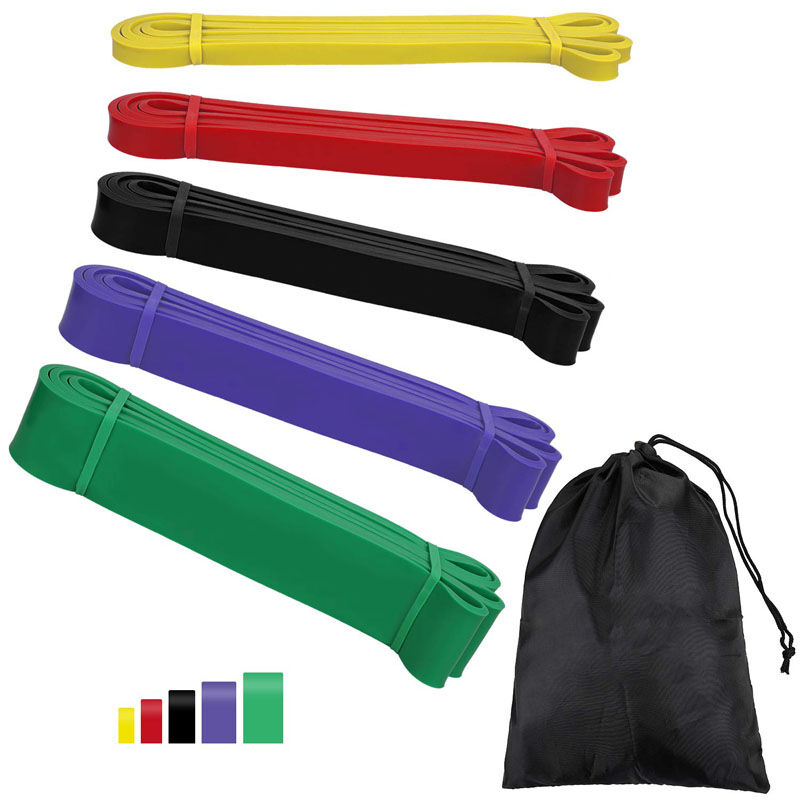
Pull up assist bands have revolutionized the way fitness enthusiasts approach one of the most challenging bodyweight exercises. These versatile elastic training tools provide graduated resistance levels that accommodate users across all fitness levels, from complete beginners struggling with their first pull-up to advanced athletes seeking enhanced training variations. Understanding the optimal resistance levels for different user categories is crucial for maximizing training effectiveness and ensuring progressive skill development in upper body strength training.
The selection of appropriate resistance levels depends on multiple factors including current strength levels, body weight, training goals, and individual biomechanics. Professional trainers and fitness experts consistently emphasize that choosing the wrong resistance level can either provide insufficient challenge for strength development or create excessive assistance that prevents proper muscle activation. This comprehensive analysis explores how different resistance categories serve specific user demographics and training objectives.
Understanding Resistance Band Categories and Their Applications
Light Resistance Bands for Advanced Users
Advanced fitness practitioners typically benefit from light resistance bands ranging from 10 to 25 pounds of assistance. These minimal assistance levels allow experienced users to maintain proper pull-up form while adding volume to their training sessions. Light resistance bands serve as excellent tools for burnout sets, high-repetition training, and muscle endurance development without compromising the strength-building benefits of unassisted pull-ups.
Competitive athletes and seasoned gym-goers often incorporate light assistance bands during deload weeks or recovery phases. The subtle support helps maintain movement patterns while reducing overall training stress on the musculoskeletal system. Additionally, these resistance levels prove invaluable for practicing advanced pull-up variations such as archer pull-ups, commando pull-ups, and L-sits, where maintaining perfect form becomes paramount for safety and effectiveness.
Medium Resistance for Intermediate Practitioners
Medium resistance bands typically providing 30 to 50 pounds of assistance represent the sweet spot for intermediate users who can perform several unassisted pull-ups but seek to increase their total training volume. This resistance category enables users to extend their sets beyond muscular failure, promoting hypertrophy and strength endurance adaptations that translate directly to unassisted performance improvements.
Intermediate users often employ medium resistance bands for technique refinement and movement quality enhancement. The moderate assistance allows focus on specific aspects such as scapular activation, lat engagement, and controlled eccentric phases without the overwhelming fatigue that accompanies maximum effort attempts. This controlled environment facilitates motor learning and neuromuscular adaptations essential for pull-up mastery.
Heavy Resistance Applications for Beginners and Rehabilitation
High Assistance Levels for Novice Users
Beginning trainees typically require heavy assistance bands providing 60 to 100 pounds of support to successfully complete pull-up movements with proper form. These high resistance levels enable novices to experience the complete range of motion while building foundational strength in the latissimus dorsi, rhomboids, middle trapezius, and biceps muscles. The substantial assistance ensures that beginners can focus on movement quality rather than struggling through incomplete repetitions.
Heavy pull up assist bands create an optimal learning environment where novices develop proper scapular mechanics and grip strength without experiencing the discouragement associated with failed attempts. Progressive reduction of assistance over time creates a systematic pathway toward unassisted pull-up achievement while maintaining motivation through consistent successful repetitions.
Rehabilitation and Special Population Considerations
Rehabilitation settings and special populations often require customized resistance approaches that prioritize joint health and gradual strength restoration. Physical therapists frequently utilize heavy assistance bands for patients recovering from shoulder injuries, rotator cuff repairs, or upper extremity surgeries. The controlled assistance allows therapeutic exercise progression while maintaining safety parameters established by medical professionals.
Older adults and individuals with mobility limitations benefit significantly from heavy resistance applications that enable participation in pull-up training despite strength or range-of-motion restrictions. The adjustable nature of resistance bands allows healthcare providers to precisely calibrate assistance levels according to individual capabilities and rehabilitation goals, promoting functional strength development within safe physiological limits.
Progressive Training Methodologies and Resistance Selection
Systematic Resistance Reduction Protocols
Effective pull-up progression requires systematic reduction of assistance over predetermined timeframes to ensure continuous strength adaptations. Most successful training protocols implement weekly or bi-weekly resistance decreases of 10 to 15 pounds, allowing sufficient adaptation time while maintaining progressive overload principles. This methodical approach prevents strength plateaus while building confidence through achievable milestones.
Advanced progression systems incorporate multiple resistance levels within single training sessions, beginning with lighter assistance for initial sets when energy levels peak, then progressing to heavier assistance as fatigue accumulates. This approach maximizes training volume while maintaining movement quality throughout entire workouts, optimizing both strength and endurance adaptations simultaneously.
Periodization Strategies for Long-term Development
Long-term pull-up development benefits from periodized resistance programming that alternates between different assistance levels according to specific training phases. Strength phases typically emphasize lower assistance levels with fewer repetitions, while hypertrophy phases incorporate moderate assistance with higher volume parameters. This systematic variation prevents accommodation and promotes continued progress across multiple fitness components.
Competitive athletes often implement complex periodization models that integrate pull up assist bands with other training modalities such as weighted pull-ups, negatives, and isometric holds. The resistance band component provides active recovery opportunities while maintaining movement specificity, supporting overall training goals without contributing excessive fatigue to primary strength development sessions.
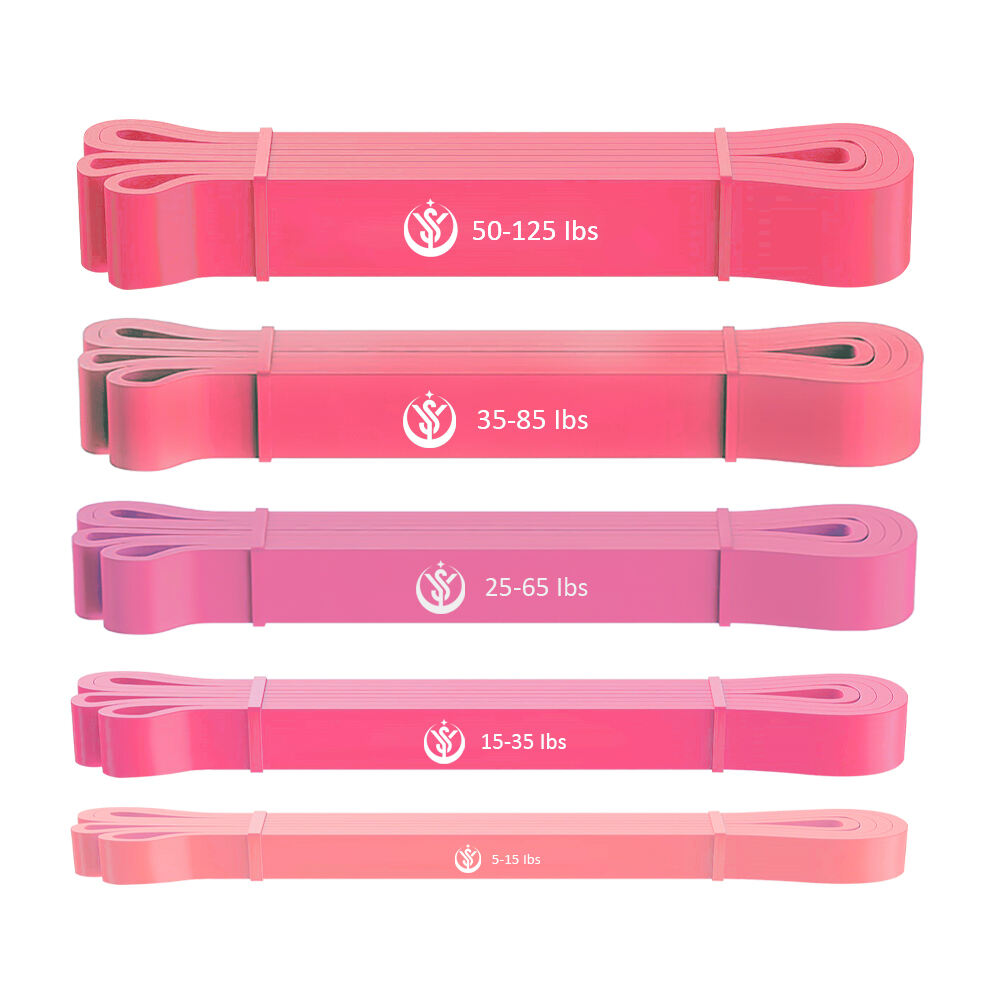
Body Weight Considerations and Resistance Calculations
Percentage-Based Assistance Guidelines
Optimal resistance selection often correlates directly with user body weight, with effective assistance typically ranging from 40 to 80 percent of total body weight depending on current strength levels. Heavier individuals may require proportionally greater assistance to achieve similar training effects compared to lighter users, necessitating careful consideration of band selection and setup configurations.
Mathematical formulas help determine appropriate starting resistance levels based on individual characteristics and training objectives. Beginning users typically benefit from assistance equal to 60-70% of body weight, while intermediate users may require only 20-40% assistance to achieve desired training volumes. These calculations provide objective starting points that can be adjusted based on performance feedback and progression rates.
Gender and Age-Specific Modifications
Resistance requirements often vary significantly between male and female users due to differences in upper body strength ratios and muscle mass distributions. Female users typically require higher assistance percentages relative to body weight, particularly during initial training phases when developing foundational upper body strength. Understanding these physiological differences enables more effective programming and realistic expectation setting.
Age-related considerations also influence optimal resistance selection, with older adults generally requiring higher assistance levels to accommodate decreased muscle mass, joint mobility, and recovery capacity. Younger users often progress through resistance levels more rapidly due to enhanced neuromuscular adaptability and recovery capabilities, requiring more frequent resistance adjustments to maintain appropriate challenge levels.
Common Mistakes in Resistance Band Selection
Overestimating Initial Capabilities
Many users underestimate the assistance required for proper pull-up execution, leading to poor movement quality and increased injury risk. Ego-driven resistance selection often results in partial range-of-motion attempts that fail to provide optimal muscle activation or strength development benefits. Professional guidance helps users select appropriate starting resistances that prioritize movement quality over perceived difficulty levels.
Inadequate assistance selection frequently leads to training frustration and premature program abandonment, particularly among novice users who experience repeated failure despite consistent effort. Proper resistance calibration ensures positive training experiences that build confidence and motivation while promoting consistent skill development toward unassisted pull-up achievement.
Insufficient Progression Planning
Successful pull-up development requires systematic progression planning that accounts for individual adaptation rates and training frequency. Users who fail to establish clear progression protocols often remain dependent on similar assistance levels for extended periods, limiting strength development and delaying achievement of unassisted pull-up goals. Structured progression schedules provide accountability and measurable progress markers.
Resistance progression should align with other training variables such as volume, frequency, and exercise selection to optimize overall program effectiveness. Isolated focus on assistance reduction without considering complementary strength training often produces suboptimal results compared to comprehensive programming approaches that address multiple strength and mobility components simultaneously.
FAQ
What resistance level should complete beginners start with when using pull up assist bands
Complete beginners should typically start with heavy resistance bands providing 60-80% of their body weight in assistance. This substantial support allows focus on proper form development while building foundational strength in the pulling muscles. Starting with too little assistance often leads to poor technique and discouragement, while appropriate assistance enables consistent successful repetitions that build confidence and strength simultaneously.
How quickly should users progress to lower resistance levels
Most users should aim to reduce assistance by 10-15 pounds every 1-2 weeks, depending on training frequency and individual adaptation rates. Progression speed should prioritize movement quality over timeline pressures, ensuring that users can complete full range-of-motion repetitions with proper form before advancing to lower assistance levels. Consistent training 3-4 times per week typically supports this progression timeline effectively.
Can different resistance levels be used within the same workout session
Yes, incorporating multiple resistance levels within single workouts can optimize training outcomes by maintaining movement quality throughout the entire session. Many successful programs begin with lighter assistance for initial sets when energy is highest, then progress to heavier assistance as fatigue accumulates. This approach maximizes total training volume while preserving proper technique across all repetitions.
What factors determine the most appropriate resistance level for individual users
Optimal resistance selection depends on current strength levels, body weight, training goals, injury history, and individual biomechanics. Users should be able to complete 8-12 repetitions with proper form using their selected resistance level. Additional considerations include training experience, age, gender, and specific objectives such as strength building versus endurance development, all of which influence ideal assistance requirements.
Table of Contents
- Understanding Resistance Band Categories and Their Applications
- Heavy Resistance Applications for Beginners and Rehabilitation
- Progressive Training Methodologies and Resistance Selection
- Body Weight Considerations and Resistance Calculations
- Common Mistakes in Resistance Band Selection
-
FAQ
- What resistance level should complete beginners start with when using pull up assist bands
- How quickly should users progress to lower resistance levels
- Can different resistance levels be used within the same workout session
- What factors determine the most appropriate resistance level for individual users